National Dish of Dubai
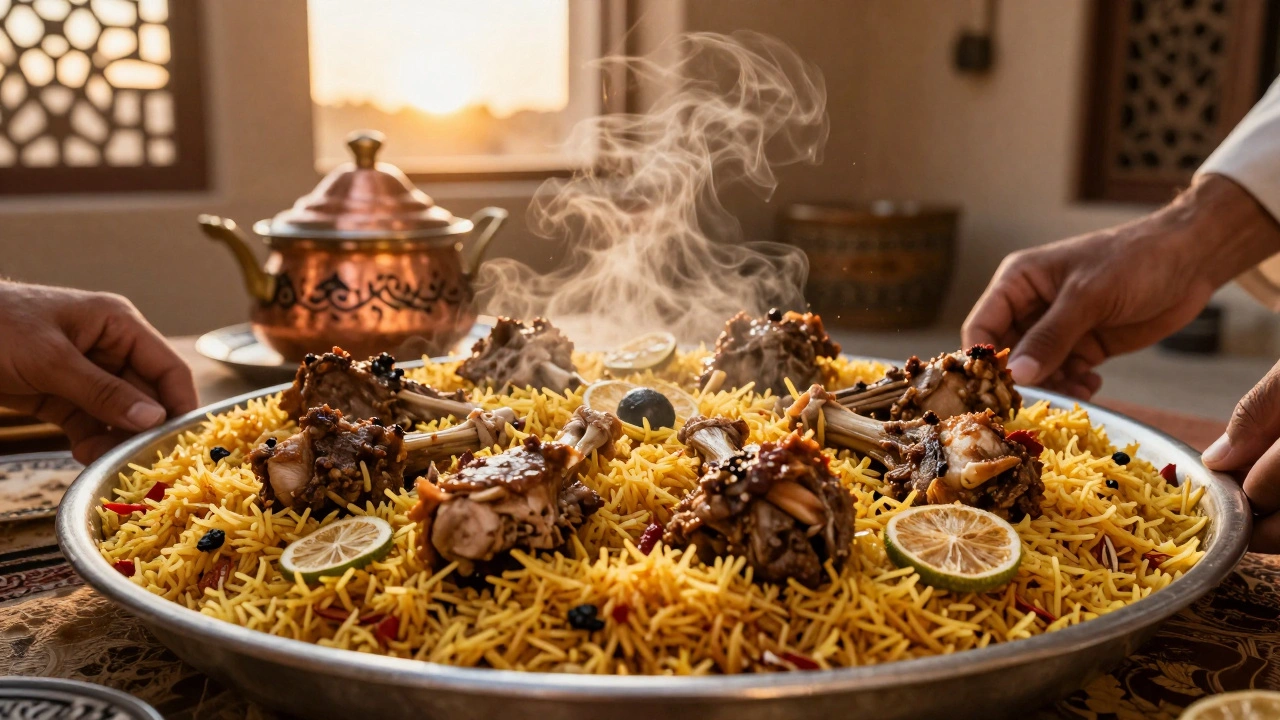
When you ask what the national dish of Dubai, a traditional Emirati meal that represents the region’s desert heritage and resourceful cooking. Also known as Emirati cuisine, it’s not just about taste—it’s about history, family, and survival in harsh conditions. Most tourists think it’s shawarma or grilled seafood, but the real answer lies in a humble, slow-cooked rice dish called machboos, a spiced rice dish with meat, often lamb, chicken, or camel, and dried lime. This isn’t fancy restaurant fare. It’s what families cook on weekends, serve at weddings, and eat with their hands after prayer. The spices—cardamom, cinnamon, saffron, and dried lime—don’t just flavor the food. They carry memories of trade routes, desert caravans, and generations of cooks who made do with what the land gave them.
Another contender for the title is harees, a thick porridge made from cracked wheat and meat, slow-cooked until it melts into a comforting, creamy texture. You’ll find it served during Ramadan and religious holidays, especially in homes across the UAE. It’s not flashy, but it’s deeply meaningful. In a place where food is often about luxury and spectacle, harees and machboos remind people where they came from. Even in a city with over 200 nationalities, these dishes remain the common thread. You won’t find them on every tourist menu, but if you ask a local where their grandmother made the best machboos, they’ll take you to a quiet corner of a market or a home kitchen you’d never find on Google Maps.
The meat matters too. While chicken and lamb are common, camel meat, a traditional protein in Emirati culture, prized for its lean, rich flavor and historical significance. is still used in special dishes. It’s not for everyone, but it’s a real part of the food identity. You won’t see camel burgers at the mall, but you’ll find it in homes and during Eid celebrations. The national dish of Dubai isn’t about what’s trendy. It’s about what lasts. It’s what’s passed down, not marketed.
What you’ll find in the posts below are real stories from locals, chefs, and food hunters who’ve tracked down the best machboos in Dubai—not the ones in five-star hotels, but the ones cooked in back alleys, desert camps, and family kitchens. You’ll learn where to buy authentic spices, how to tell real harees from the watery version sold to tourists, and why some restaurants charge extra for camel meat. This isn’t a list of Instagram spots. It’s a guide to the food that keeps Emirati culture alive, one plate at a time.