Khubz: The Essential Bread of Dubai and the Gulf
When you think of food in Dubai, you might picture luxury dining or global cuisines—but at the heart of every home, café, and family meal is khubz, a simple, round, unleavened flatbread that’s been baked in clay ovens for centuries across the Arabian Peninsula. Also known as Arabic bread or pita, khubz isn’t just something you eat—it’s how you eat. You tear it, scoop it, wrap it, and share it. It’s the silent partner to hummus, the perfect vessel for shawarma, and the first thing placed on the table when guests arrive.
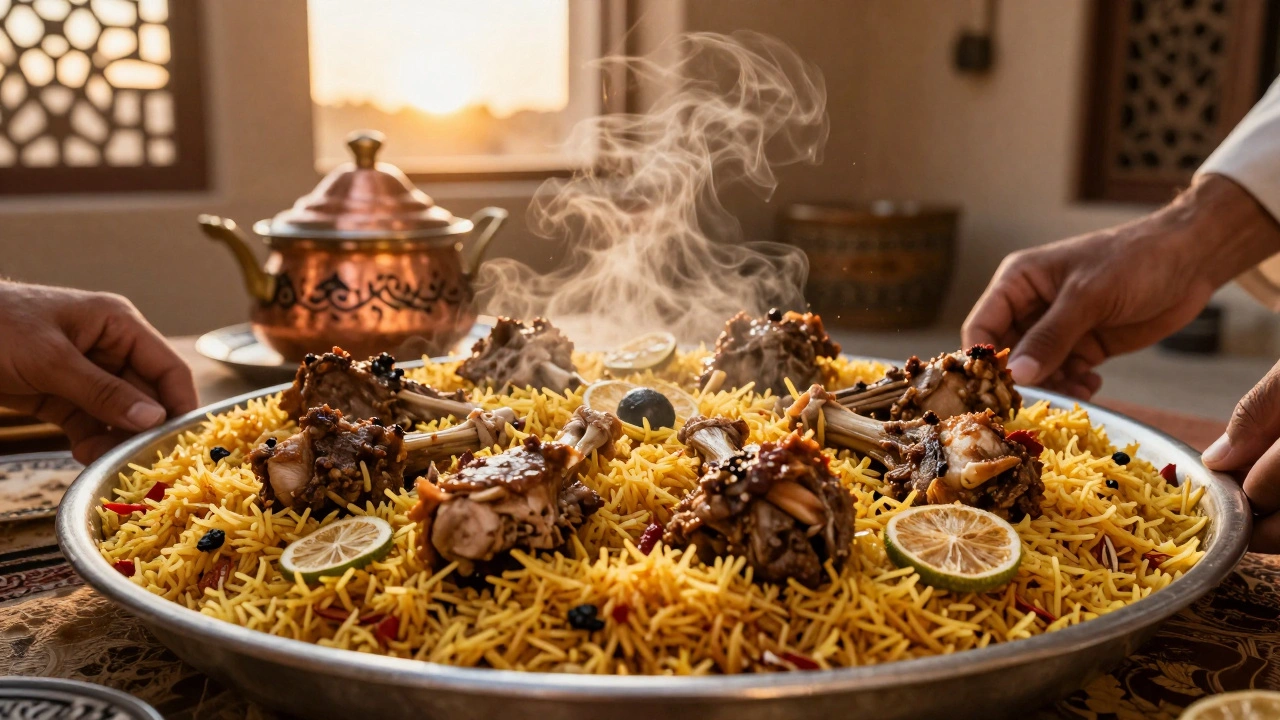
Khubz is more than a side dish. It’s a cultural anchor. In Emirati homes, it’s baked fresh daily, often by women who’ve mastered the art of stretching dough over hot stones or in traditional tandoor ovens. You’ll find it in every supermarket, from Lulu to Carrefour, stacked in plastic bags next to rice and dates. Locals don’t use forks to eat stews like machboos or lamb curry—they use khubz. It’s not a choice; it’s the only way. And if you’ve ever been invited to an Emirati home, you’ve likely been offered khubz with butter and honey—or dipped in za’atar and olive oil—as a sign of welcome. This bread doesn’t need fancy ingredients. Just flour, water, salt, and heat. Yet it carries the weight of tradition, family, and identity.
Related to khubz are other staples you’ll see everywhere in Dubai: bakhoor, the fragrant incense burned to welcome guests and purify homes, and Arabic coffee, the strong, cardamom-infused brew served in small cups alongside bread. These aren’t random pairings. Khubz, bakhoor, and coffee form a trio that defines Emirati hospitality. You smell the incense, sip the coffee, and break the bread—all in the same moment. It’s sensory ritual. And while Dubai has skyscrapers and Michelin stars, this simple bread remains unchanged. It’s the same bread your grandfather ate. The same bread your neighbor’s grandmother still makes by hand. You’ll find it in the same places as the best restaurants in Dubai, the top supermarkets, and even inside the Dubai Mall’s food courts. It’s everywhere because it’s essential.
What you won’t find is a single recipe for khubz. Every family has their own version—some thicker, some thinner, some baked with a touch of sesame. Some are slightly charred on the edges. Others are soft and pillowy. But they all share one thing: they’re meant to be eaten with your hands, shared with others, and never wasted. In a city built on speed and scale, khubz is a quiet reminder of what matters: connection, simplicity, and tradition. Below, you’ll find posts that explore how khubz fits into daily life in Dubai—from the markets where it’s sold, to the cafes where it’s served, to the cultural moments where it plays the starring role. No fancy words. No fluff. Just real food, real people, and the bread that holds it all together.