Emirati Food: Authentic Flavors of the UAE You Must Try
When you think of Emirati food, the traditional cuisine of the United Arab Emirates, rooted in desert life, Bedouin traditions, and coastal fishing. Also known as UAE cuisine, it’s not just about spice—it’s about history, hospitality, and survival in one of the harshest climates on Earth. This isn’t the same as generic Middle Eastern food. Emirati food is deeply personal. It’s what families cook on weekends, what’s served to guests during Eid, and what’s passed down from grandmothers who remember when dates were the main source of energy.
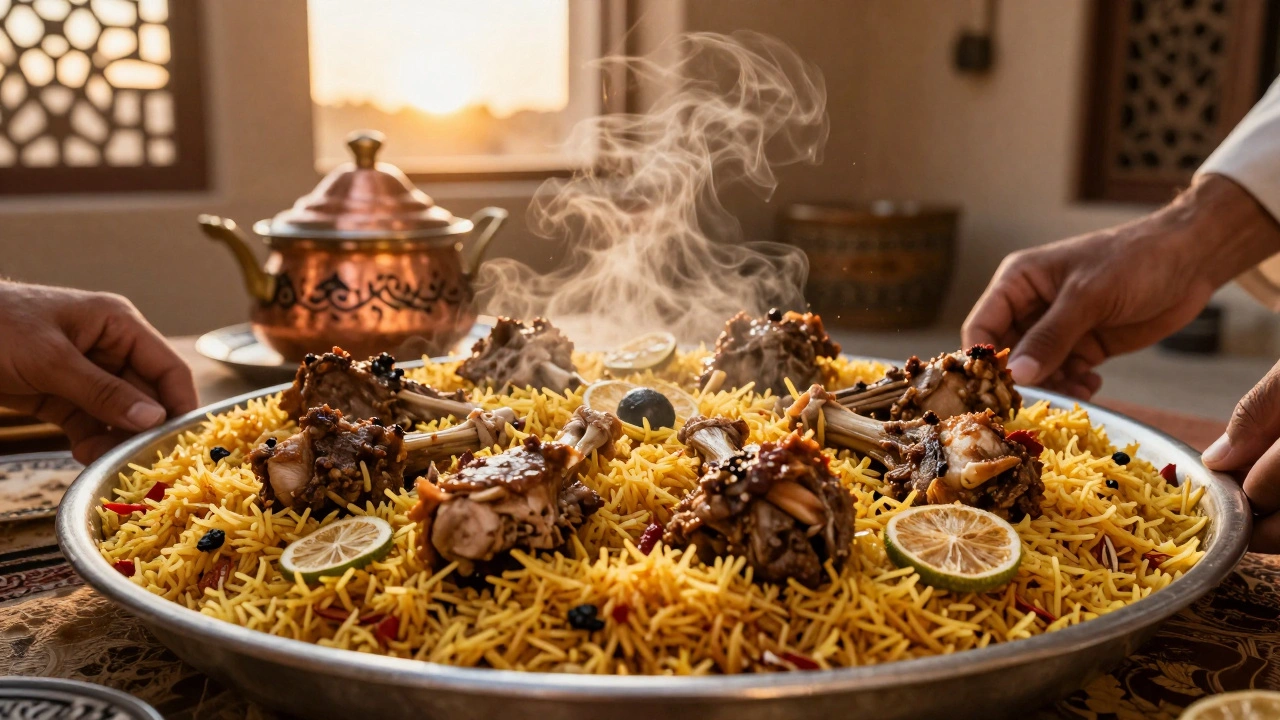
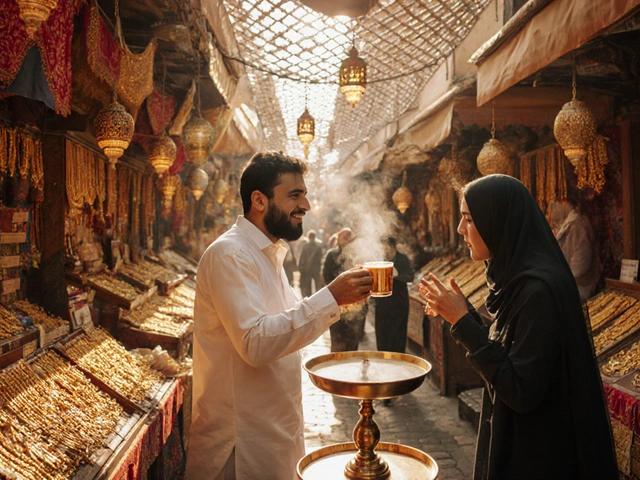
At its core, Emirati food relies on simple, local ingredients: dates, lamb, fish, rice, and spices like saffron, cardamom, and dried lime. The national dish, machboos, a spiced rice dish with meat or fish, often cooked in a single pot with onions, tomatoes, and aromatic spices, shows how resourcefulness shaped the cuisine. You won’t find fancy techniques here—just slow-cooked flavors that develop over hours. Then there’s balaleet, a sweet breakfast of vermicelli noodles cooked with eggs, saffron, and rosewater, often served with dates. It sounds unusual, but it’s a morning ritual for many Emiratis. And you can’t talk about Emirati food without Arabic coffee, a strong, cardamom-infused brew served in small cups as a sign of welcome. It’s not a drink—it’s an act of respect.
Emirati food doesn’t shout. It whispers. It’s in the way a pot of lamb simmers all afternoon, in the smell of cardamom rising from a freshly brewed pot, in the way guests are always offered more—even if they say no. You’ll find this food in homes, in local eateries near Al Fahidi, and in the back corners of Dubai’s supermarkets where Emirati families shop for dried limes and ghee. It’s not always on tourist menus, but it’s the real taste of the UAE. Below, you’ll find real posts that show you where to eat it, what to order, and how to understand the culture behind every bite.