
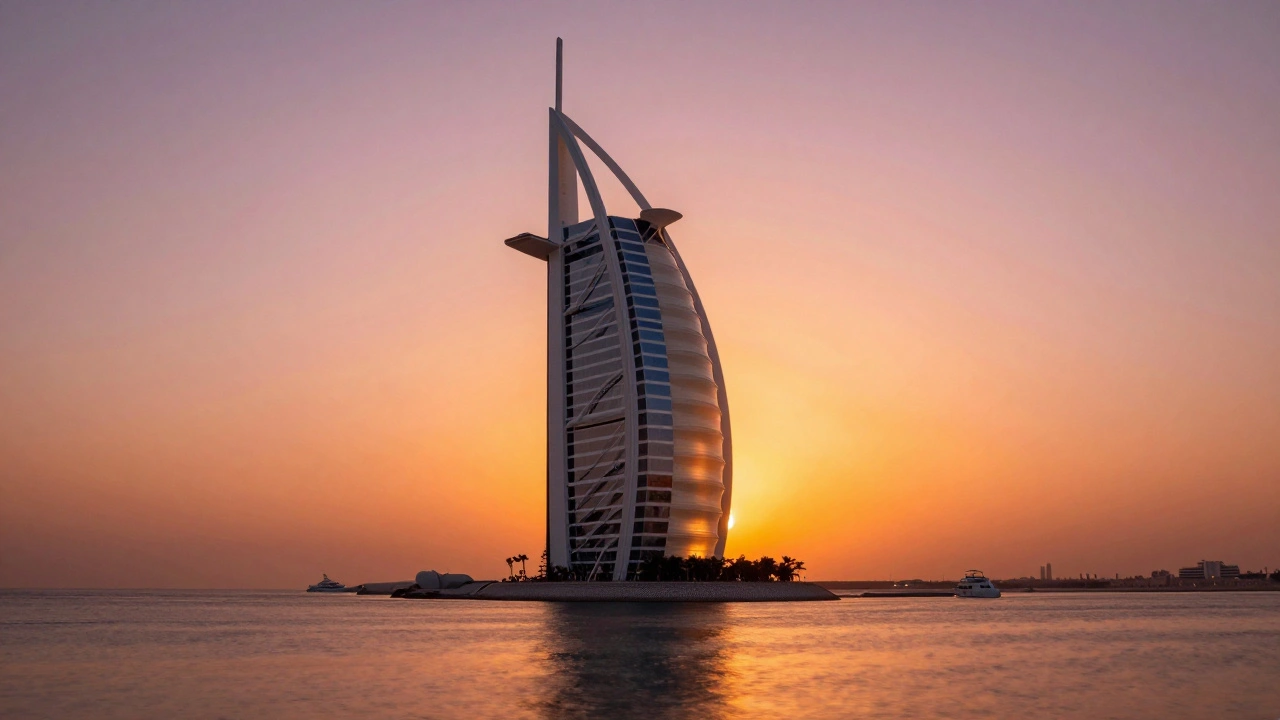
You’ve seen it in movies, on postcards, and in Instagram feeds-the Burj Al Arab, that sleek white sail rising out of the Arabian Gulf. It’s the symbol of Dubai’s ambition, the kind of place that makes you wonder: Who owns Burj Al Arab? Not just the bricks and steel, but the whole vibe-the gold leaf, the butlers, the helicopter transfers, the $24,000-a-night suites. It’s not just a hotel. It’s a statement. And someone had to build it. Someone had to pay for it. Someone still runs it.
The short answer? The Burj Al Arab is owned by the Jumeirah Group, a luxury hotel company that’s part of Dubai World, a government-owned holding company. But if you think that’s the whole story, you’re missing the real magic behind it.
The Real Owner Behind the Sail
Let’s cut through the noise. No private billionaire bought the Burj Al Arab. No celebrity investor snatched it up. It’s not owned by a family trust or a foreign conglomerate. It’s owned by the government of Dubai-through its investment arm. That’s the key.
Jumeirah Group was created in 1997 by the Dubai government to build and manage luxury hospitality assets. The Burj Al Arab, opened in 1999, was its first and most ambitious project. The cost? Around $1 billion. That’s not a number you throw around unless you’re backed by sovereign wealth. The government didn’t just fund it-they saw it as a global marketing tool. A way to say: ‘Dubai isn’t just oil anymore. We’re luxury. We’re innovation. We’re unforgettable.’
Think of it like this: The Burj Al Arab isn’t a business asset. It’s a national brand. Like the Eiffel Tower in Paris or the Sydney Opera House. It draws tourists, boosts the city’s image, and justifies the sky-high prices of everything else in Dubai. That’s why it’s still standing, still glittering, still operating at full capacity-even during global downturns.
What Does Jumeirah Group Actually Do?
Jumeirah Group doesn’t just own the Burj Al Arab. It owns most of Dubai’s top luxury hotels. You’ve probably heard of Jumeirah Beach Hotel, Jumeirah Al Naseem, Jumeirah Emirates Towers, and Madinat Jumeirah. All of them? Same owner. Same management team. Same obsession with service.
Here’s what makes Jumeirah different: They don’t just clean rooms. They anticipate needs. A guest forgets their charger? A butler appears with a replacement before they even ask. A child gets sick? A pediatrician is on call. That’s not customer service. That’s hyper-personalized hospitality, and it’s built into the DNA of every Jumeirah property.
The Burj Al Arab is their crown jewel. Every detail was chosen with intention. The 24-carat gold leaf? It’s not just for show-it’s a symbol of exclusivity. The 180-degree ocean views? Designed so every suite feels like a private island. The private elevators? So guests never see the staff. The whole experience is engineered to make you feel like royalty, without ever seeing the machinery behind it.
Why Does Ownership Matter?
You might think, ‘So what? Who owns it? I just want to book a room.’ But ownership shapes everything. When a hotel is owned by a government entity, the priorities shift. Profit isn’t the only goal. Reputation is.
Compare that to a privately owned luxury hotel. If the owner needs to cut costs, they might reduce staff, lower room service hours, or skip renovations. But Jumeirah? They can afford to keep the same team for decades. They can invest $20 million in a suite renovation just to keep the experience fresh. Why? Because the government doesn’t need quarterly profits. They need the Burj Al Arab to remain the most photographed hotel on Earth.
That’s why the Burj Al Arab still has its iconic helipad, its underwater restaurant (Al Mahara), and its 24/7 butler service-even as newer hotels like Atlantis The Royal open nearby. It’s not about competition. It’s about legacy.

Who Runs the Day-to-Day Operations?
While the government owns it, the day-to-day is run by a team of hospitality veterans. Jumeirah Group has its own training academy in Dubai-yes, a whole school for butlers, concierges, and chefs. Graduates don’t just learn how to fold napkins. They learn how to read body language, how to remember a guest’s favorite tea, how to disappear when you don’t need them.
The staff aren’t hired from abroad. Many are trained locally. Some have been there since 1999. That’s rare in hospitality. Most luxury hotels turn over staff every 2-3 years. Jumeirah keeps them. Why? Because institutional knowledge matters. The guy who knows how to arrange your flowers just right? He’s been doing it for 15 years.
How Does It Compare to Other Dubai Luxury Hotels?
Let’s put it in context. Dubai has dozens of ultra-luxury hotels now. Atlantis The Royal. Armani Hotel. One&Only The Palm. But none of them carry the same weight as the Burj Al Arab.
Here’s why:
| Feature | Burj Al Arab | Atlantis The Royal | Armani Hotel Dubai |
|---|---|---|---|
| Ownership | Jumeirah Group (Dubai Government) | Kerzner International (Private) | Armani Group (Giorgio Armani) |
| Opening Year | 1999 | 2023 | 2010 |
| Signature Feature | Sail-shaped architecture | Water park & marine life | Minimalist designer interiors |
| Butler Service | 24/7 for every suite | Available on request | Available on request |
| Price Range (Per Night) | $1,500-$24,000+ | $1,200-$15,000 | $1,000-$12,000 |
| Global Recognition | Iconic, instantly recognizable | Modern, popular with families | Stylish, appeals to designers |
The Burj Al Arab isn’t just competing. It’s defining the category. No other hotel in Dubai has the same cultural footprint. It’s the one everyone wants to say they’ve stayed in-even if they didn’t.
Can You Visit Without Staying?
Yes. And this is where most people miss out. You don’t need to spend $5,000 to experience the Burj Al Arab.
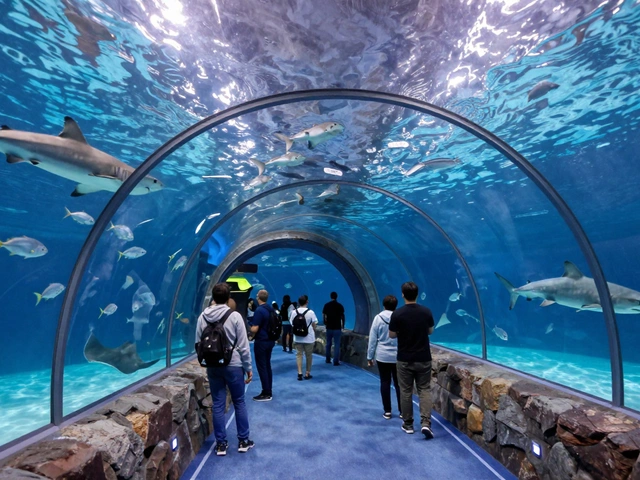
You can book a table at Al Mahara, the underwater restaurant with a 360-degree aquarium. Or have afternoon tea in the Skyview Bar, where the view of the Dubai skyline is worth the price of a cocktail. You can even walk through the lobby-just don’t try to take photos of the staff. They’re trained to be invisible.
Many locals come here for special occasions. Birthdays. Anniversaries. Proposals. It’s not just for tourists. It’s a Dubai landmark, like the Dubai Fountain or the Dubai Mall. And you don’t need a keycard to appreciate it.

What’s Next for the Burj Al Arab?
With new hotels opening every year, you’d think the Burj Al Arab might start to feel outdated. But it’s not. It’s being quietly upgraded. In 2024, they added new AI-powered room controls. The butlers now use tablets to track guest preferences in real time. The minibar? It’s now stocked with local Emirati snacks and artisanal dates.
They’re not chasing trends. They’re setting them. The hotel still doesn’t have a TV in the room. Why? Because they want you to look out the window. To feel the sea. To be present.
That’s the genius of it. In a world of screens and notifications, the Burj Al Arab makes you disconnect. And that’s why, even in 2025, it’s still the most talked-about hotel in the world.
Frequently Asked Questions
Is the Burj Al Arab really the most expensive hotel in the world?
It’s often listed as one of the most expensive, but that’s misleading. The $24,000-a-night Royal Suite is a special package that includes private helicopter transfers, a personal butler team, and a curated experience-not just a room. Most suites start at $1,500. Other hotels like the Four Seasons in Prague or the Hotel President Wilson in Geneva have higher base rates. But no other hotel has the same global recognition.
Can you book a room at the Burj Al Arab without a visa?
No. You need a valid UAE visa to enter the country, regardless of where you’re staying. The hotel can’t get you a visa. But if you’re flying Emirates or Etihad, they often help with visa processing. Most nationalities get a free 30- to 90-day visa on arrival.
Is the Burj Al Arab worth the money?
If you’re looking for a place to sleep, no. But if you want to experience something that feels like a dream-where every detail is flawless, where service feels like magic-then yes. It’s not a hotel. It’s a performance. And you’re the audience.
Who designed the Burj Al Arab?
The architect was Tom Wright, a British designer who worked for the firm WKK. He was inspired by the sail of a dhow, a traditional Arabian boat. The structure had to be built on an artificial island because the original plan to build it on the shore was deemed too risky for the foundation. It took 5 years and 1,000 workers to complete.
Does the Burj Al Arab have a pool?
Yes-but not a typical one. The main pool is on the 27th floor, with panoramic views of the ocean. It’s heated, private, and reserved for guests only. There’s also a rooftop infinity pool at the Skyview Bar, which is open to diners and hotel guests. No public access.
Final Thought: It’s Not About Ownership. It’s About Legacy.
Who owns the Burj Al Arab? The government of Dubai. But the real owner-the one who keeps it alive-is the culture of excellence that surrounds it. The staff who remember your name. The designers who chose every tile. The planners who refused to cut corners. That’s what makes it priceless.
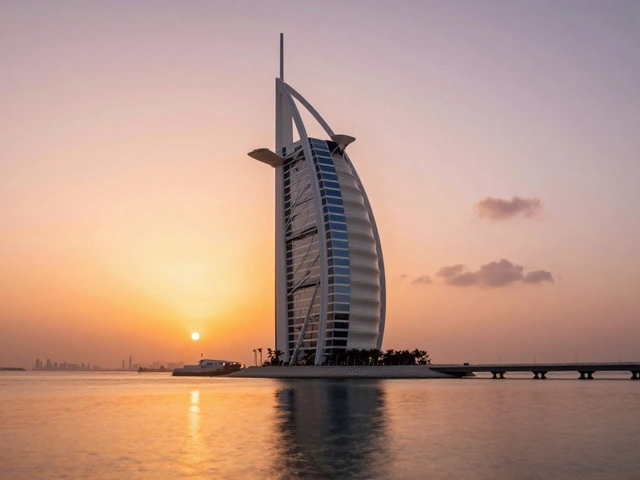
You don’t need to stay there to understand why it matters. Just stand on the beach at sunset, look up at that sail against the sky, and ask yourself: Who else could have built this? And why?

Nishad Ravikant
January 1, 2026 AT 19:02The Burj Al Arab isn't just a hotel-it's a masterpiece of controlled magic. I’ve walked through that lobby once, just for tea, and the silence between the staff’s movements felt intentional. Like they were choreographing awe. No one rushes. No one overpowers. Just presence.
And that’s the real luxury: not the gold leaf, but the absence of pressure to perform. You’re not a guest. You’re a guest of honor. No receipts. No hustle. Just air that smells like jasmine and quiet confidence.
S.l F
January 3, 2026 AT 04:50It is indeed remarkable how the government of Dubai has strategically leveraged the Burj Al Arab as a soft power instrument. Unlike conventional hospitality models driven purely by ROI, this entity operates under a broader national narrative-where brand equity supersedes quarterly earnings.
Such long-term vision is exceedingly rare in global tourism infrastructure. The retention of staff for over two decades, the refusal to install televisions in rooms, and the investment in localized culinary offerings all reflect a commitment to cultural authenticity over transient trends. This is not merely hospitality-it is heritage engineering.
Michael Allerby
January 4, 2026 AT 11:12Bro. The Burj Al Arab is basically Dubai’s version of a TikTok filter IRL. You walk in and suddenly you’re in a James Bond movie where the butler knows your coffee order before you do. And guess what? They don’t even charge extra for the magic.
Most hotels want you to feel rich. This place makes you feel like you’re the reason rich people exist. The underwater restaurant? The helipad? The fact that they still don’t have TVs? That’s not nostalgia-that’s rebellion. In a world screaming for your attention, they’re whispering: ‘Look outside.’ And damn, it works.
Devin Tankersley
January 5, 2026 AT 09:35Let’s be real-this whole ‘government owns it’ thing is just PR fluff. They didn’t build this for culture. They built it because they had oil money burning a hole in their pockets and needed something to distract the world from their human rights record.
That ‘butler service’? It’s just a fancy way of saying ‘you’re being watched.’ Every smile is scripted. Every flower arrangement is tracked in a database. This isn’t luxury-it’s surveillance with a five-star rating.
And don’t even get me started on the $24k suite. That’s not a room. That’s a tax write-off for a Russian oligarch and a PR stunt for Dubai’s image machine.
Mathew Thomas
January 6, 2026 AT 20:58It’s not about who owns it. It’s about what it makes you feel.
For a moment, you forget the world exists.