
You’ve seen the Burj Khalifa. You’ve snapped a selfie at the Dubai Mall. You’ve ridden a camel in the desert. But what if I told you Dubai has a whole other side-one that doesn’t show up in Instagram ads or guidebook chapters? This isn’t the Dubai of luxury malls and heli-tours. This is the Dubai locals know: quiet courtyards, forgotten alleyways, and secret spots where time slows down and the city breathes.
Why Bother With Alternative Attractions?
Let’s be honest-Dubai’s big-name spots are impressive. But they’re also crowded, overpriced, and often feel staged. If you’ve been before, you know the feeling: standing in line for 45 minutes just to take a photo of a building that’s been photographed a million times. There’s a better way. The real magic of Dubai isn’t in its glitter-it’s in its grit. In the quiet corners where Emirati culture still lives, where fishermen mend nets at dawn, and where you can sip cardamom coffee in a 200-year-old wind tower without another tourist in sight.
These hidden spots don’t just give you a break from the crowds. They give you a real sense of place. You start to understand why Dubai isn’t just a city of glass and steel-it’s a place with history, rhythm, and soul.
The Al Fahidi Historical Neighborhood: Where Dubai Began
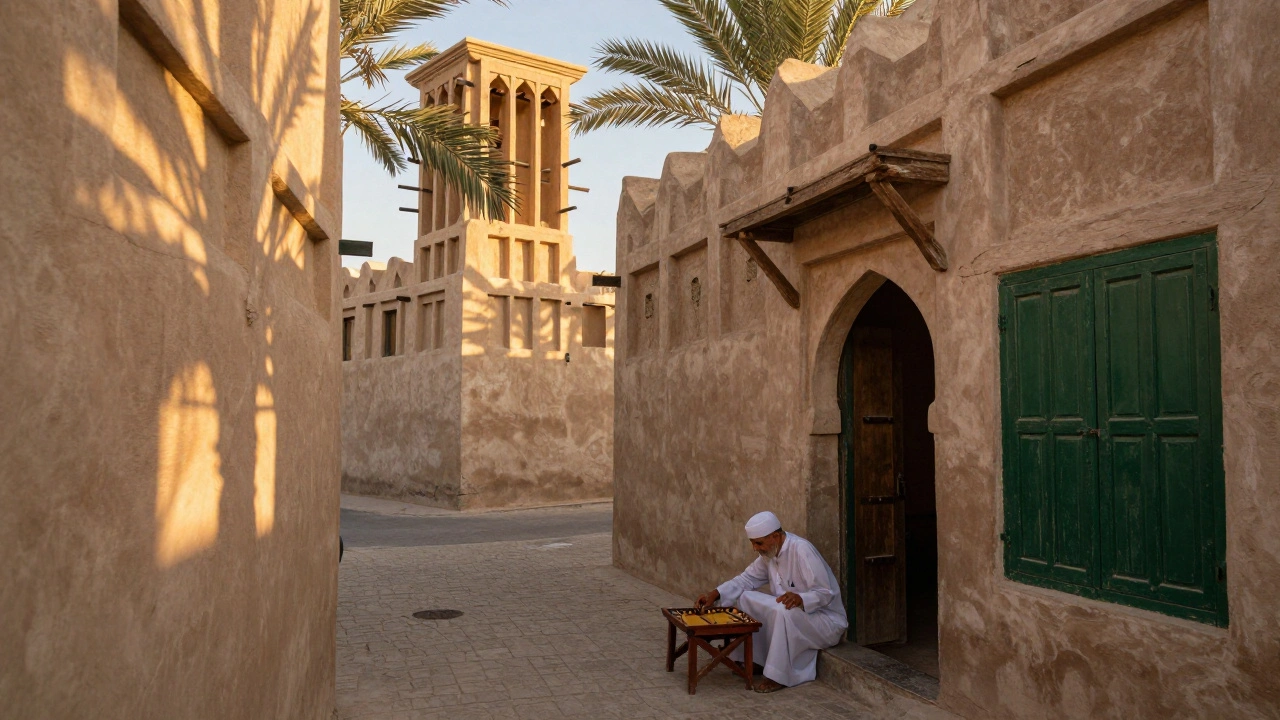
Just a 10-minute walk from the Dubai Creek, Al Fahidi (also called Al Bastakiya) feels like stepping into a different century. These narrow alleys are lined with traditional wind towers-ancient air-conditioning systems made from coral stone and palm wood. No AC units here. Just cool air flowing naturally through the buildings.
Today, these restored houses hold small art galleries, heritage museums, and cozy cafés serving Arabic coffee with dates. Visit the Dubai Museum inside Al Fahidi Fort-it’s not the flashy kind. It’s dusty, authentic, and full of old tools, fishing boats, and Bedouin tents. You’ll learn how Dubai’s people lived before oil changed everything.
Pro tip: Go on a weekday morning. The light is golden, the streets are quiet, and you might catch an elderly Emirati man playing backgammon under a shaded archway. That’s the real Dubai.
Alserkal Avenue: Art Without the Price Tag
Forget the Guggenheim Dubai (which doesn’t exist yet). The real art scene in Dubai is happening in an industrial park in Al Quoz. Alserkal Avenue is a cluster of converted warehouses turned into galleries, studios, and independent design shops. You won’t find branded logos or VIP lounges here. Just raw creativity.
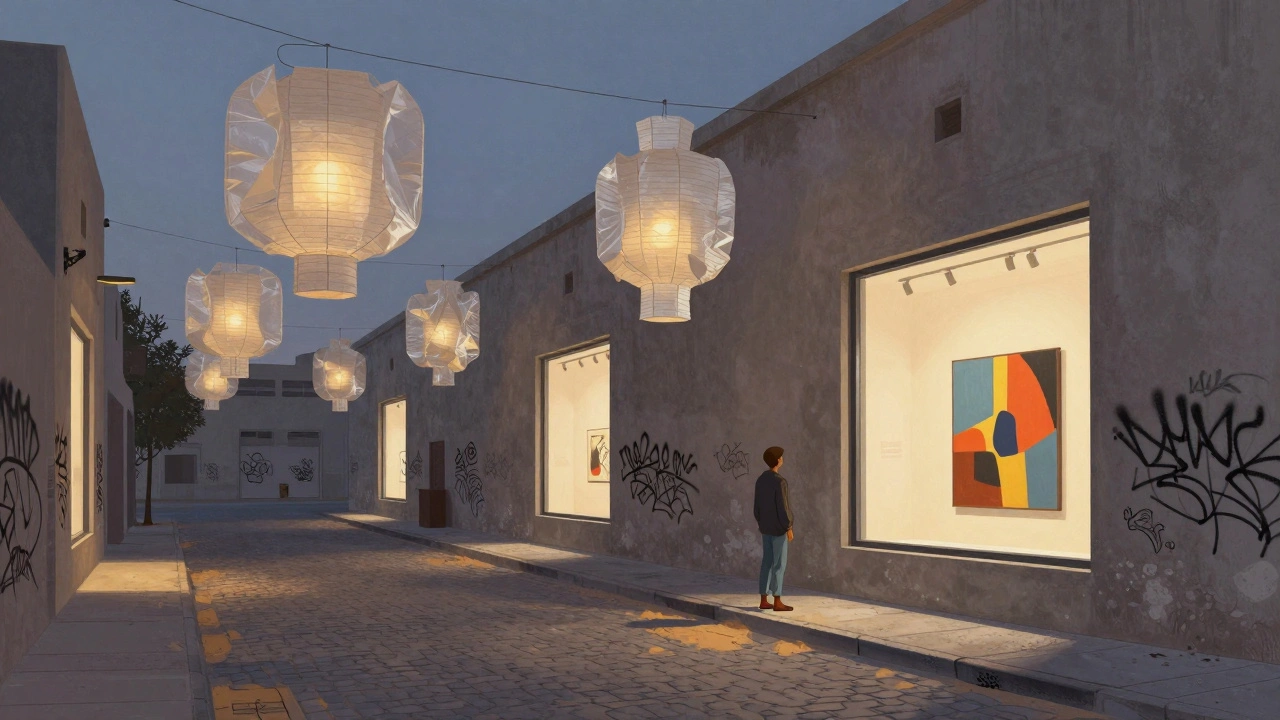
Check out Carbon 12 for cutting-edge contemporary art, or The Third Line for Middle Eastern artists pushing boundaries. On weekends, pop-up installations appear overnight-think giant paper lanterns made from recycled plastic or soundscapes made from desert wind.
And yes, there’s coffee. Alserkal Café serves single-origin beans and homemade labneh sandwiches. It’s the kind of place where you’ll end up talking to a local artist for an hour, even if you didn’t plan to.
Al Marmoom Desert Conservation Reserve: Silence, Not Sand Dunes
Most tourists think the desert means dune bashing and sunset cocktails. But there’s another side to the desert-quiet, still, and wild. The Al Marmoom Reserve is a protected area covering over 1,000 square kilometers. It’s home to oryx, sand gazelles, and migratory birds you won’t see anywhere else in the UAE.
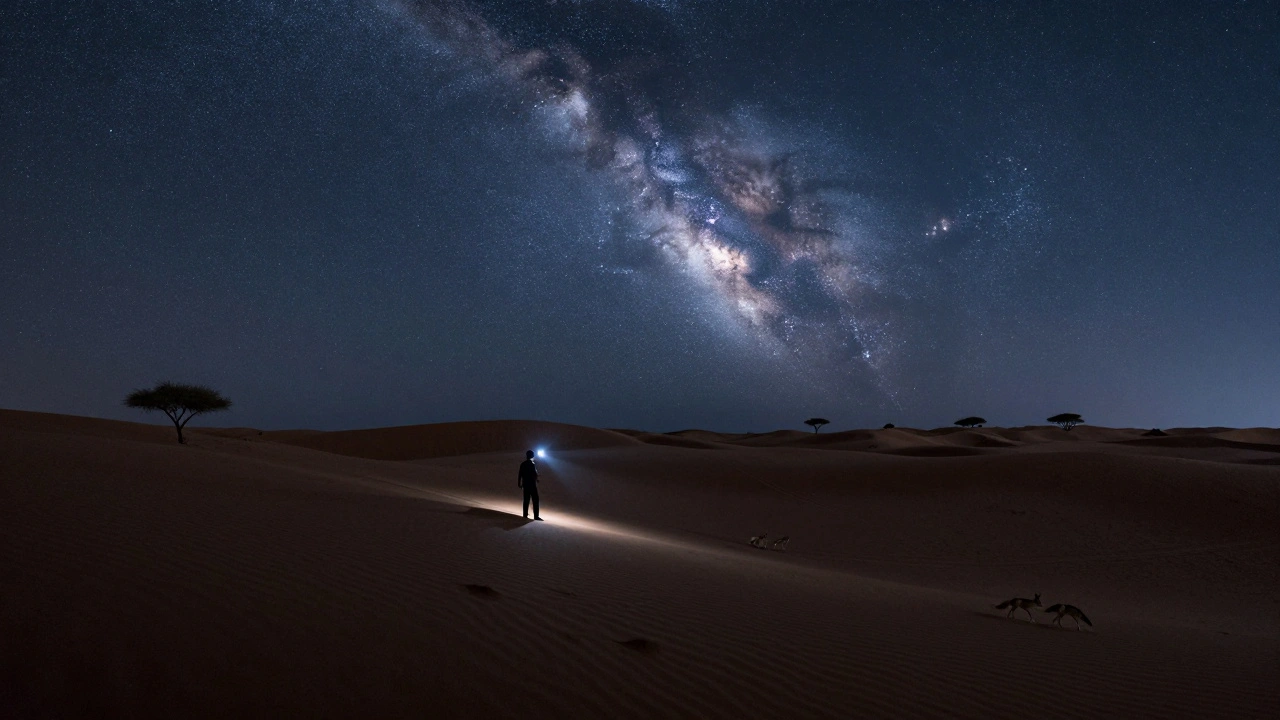
Book a guided night walk with Desert Nights Eco Tours. No ATVs. No loud music. Just you, a headlamp, and the sound of your footsteps on sand. You’ll spot desert foxes, listen to the call of the Arabian owl, and stare at a sky so clear you’ll see the Milky Way like you’ve never seen it before.
This isn’t a photo op. It’s a reset.
The Dubai Spice Souk (Beyond the Postcards)
Yes, the spice souk is famous. But most visitors just walk through, snap a photo of colorful piles of saffron, and leave. What they miss is the ritual. The old shopkeepers don’t just sell spices-they tell stories. Ask for hawayij, the Emirati spice blend used in rice and stews. Watch how they grind cardamom pods with a mortar and pestle right in front of you.
Go to Al Rostamani Spice House, family-run since 1968. They’ll let you smell the difference between Iranian and Omani frankincense. Buy a small bag of dried limes or rose petals for your tea. And if you’re brave, try a spoonful of halwa-a dense, sweet confection made from sesame, sugar, and saffron. It’s not for everyone. But if you like it, you’ll remember it forever.
The Dubai Heritage Village: Living Culture
On the edge of the Dubai Creek, near the Al Shindagha Museum, lies a quiet spot called the Dubai Heritage Village. It’s not a museum with glass cases. It’s a working reconstruction of a 1950s Emirati village. Women weave palm fronds into baskets. Men shape wooden boats using tools passed down for generations. Kids learn how to make traditional sweets from their grandparents.
There’s no entry fee. No gift shop. Just people living their culture. Sit on a low bench, sip mint tea, and watch. You’ll see things you won’t find in any brochure: the way a grandmother hums while weaving, the sound of a hammer tapping copper for a traditional coffee pot.
This isn’t performance. It’s preservation.
The Lost City of Umm Al Nar: Ancient Ruins No One Talks About
Just outside Abu Dhabi, but easily reachable from Dubai in under an hour, lies Umm Al Nar-an archaeological site older than the pyramids. These circular stone tombs date back to 2500 BCE. No signs. No crowds. Just sand, stone, and silence.
Local archaeologists say the tombs were used for communal burials. You can walk among them, touch the same stones that held ancient bodies over 4,500 years ago. No fences. No guards. Just you and history.
Bring water. Wear sturdy shoes. And leave no trace. This isn’t a tourist attraction. It’s a sacred site.
How to Find These Places Without Getting Lost
These spots don’t have big signs or Google Maps pins. Here’s how to find them:
- Ask locals-not hotel staff. Go to a small café in Deira or Bur Dubai and say, “Where do you go when you want to be alone?”
- Use local apps like Wahda or UAE Now. They list community events and hidden spots.
- Join a walking tour led by Emirati guides. Try Dubai Heritage Walks-they cost $15 and last 3 hours.
- Visit on weekdays. Weekends are packed with families and tourists.
What to Expect: No Crowds, No Noise, Just Real Life
These places don’t have ticket booths. No selfie sticks. No loudspeakers. You won’t find a Starbucks. You might find a grandmother selling dates from a woven basket. Or a boy playing football with a ball made of rags. You’ll hear Arabic more than English. You’ll smell cardamom, incense, and salt air.
It’s slower. Quieter. Deeper.
You’ll leave not with a bag of souvenirs, but with a memory that sticks.
Cost Comparison: Alternative vs. Tourist Spots
| Attraction | Cost (USD) | Wait Time | Crowd Level | Authenticity Score |
|---|---|---|---|---|
| Burj Khalifa (Observation Deck) | $45 | 60-90 mins | Very High | 2/10 |
| Al Fahidi Historical Neighborhood | $0 | None | Low | 9/10 |
| Dubai Mall Aquarium | $35 | 45 mins | Very High | 3/10 |
| Alserkal Avenue Galleries | $0 | None | Low | 8/10 |
| Desert Safari (Dune Bashing) | $60 | 30 mins | High | 4/10 |
| Al Marmoom Desert Night Walk | $30 | None | Very Low | 10/10 |
Frequently Asked Questions
Are these alternative attractions safe for solo travelers?
Yes, absolutely. Places like Al Fahidi, Alserkal Avenue, and the Heritage Village are well-traveled by locals and expats alike. They’re quiet, clean, and welcoming. Just use common sense: avoid isolated areas after dark, dress modestly, and don’t take photos of people without asking. Most locals will smile and wave if you’re respectful.
Can I visit these places with kids?
Definitely. Al Fahidi has shaded alleys perfect for strollers. The Heritage Village lets kids try weaving and making traditional sweets. Al Marmoom is best for older kids (8+) who can handle a quiet walk. Avoid the spice souk with very young children-the smells can be overwhelming, and it’s easy to get lost in the maze.
Do I need to book in advance for these places?
For most, no. Al Fahidi, the spice souk, and the heritage village are open daily with no tickets. But for Al Marmoom night walks and guided art tours in Alserkal Avenue, book ahead. Spaces are limited, and guides are local experts who don’t work every day. Use their Instagram or WhatsApp to reserve-no websites needed.
What’s the best time of year to visit these hidden spots?
November to March is ideal. Daytime temps are around 25°C-perfect for walking. Summer (May-September) is too hot for outdoor exploration. Even locals stay indoors. If you must visit in summer, stick to indoor spots like Alserkal Avenue or the Dubai Museum.
Is it okay to take photos?
Yes-but be polite. Photographing buildings, streets, and markets is fine. If you want to take a photo of someone-especially a shopkeeper or elder-ask first. A simple “May I?” in Arabic (“Hala tasmah?”) goes a long way. Most people will say yes, and some will even invite you for tea.
Final Thought: Dubai Isn’t Just a City. It’s a Feeling.
You don’t need to climb the Burj to feel Dubai’s pulse. Sometimes, the heartbeat is quieter. It’s in the rustle of a palm frond in a courtyard. The scent of oud drifting from an open door. The sound of a child laughing as they chase a pigeon near the creek.
These places won’t make your Instagram feed explode. But they’ll make your trip unforgettable.

Tina Nielsen
December 11, 2025 AT 04:07OMG this is everything I didn’t know I needed 🥹 I went to Dubai last year and only did the tourist stuff and now I feel so basic lol
Brian Opitz
December 12, 2025 AT 03:19The notion that authentic cultural experiences are somehow superior to commercial tourism is a fallacy rooted in performative authenticity. The Burj Khalifa represents human achievement. To dismiss it as staged is to misunderstand the nature of modern urban identity.
Frances Chen
December 12, 2025 AT 11:01Al Marmoom at night changed my life honestly. I went with a guide named Ahmed and we just sat in silence for an hour listening to the owls. No phone. No lights. Just stars and sand. I didn’t realize how loud my life had become until I heard the desert breathe. You don’t need to see everything. Sometimes you just need to be still.
Also the halwa at Al Rostamani? Life changing. I bought three bags and one is still sitting in my pantry. I eat it with tea every Sunday now. It’s like eating a cloud made of history.
Dian Edgar
December 12, 2025 AT 17:40big up to the author for actually telling people how to find these spots instead of just flexing cool places. most blogs just say 'go to hidden gems' then give zero info. you told us how to ask locals, what apps to use, when to go. that’s real help.
also the part about not taking pics of people without asking? yes. please share this with every tourist who thinks the world is their backdrop.
jocelyn richards
December 13, 2025 AT 21:45Okay but have you been to the secret rooftop garden above the Al Fahidi café that only opens at 7am and the owner lets you in if you bring your own teacup? I found it by accident after getting lost and now I go every time I’m in Dubai. Also the guy who plays backgammon? He’s my uncle’s cousin’s neighbor. Small world huh? 😏
Nakia Decosta
December 15, 2025 AT 16:56Alserkal Avenue is underrated. The Carbon 12 exhibit last month on Gulf futurism was the most compelling thing I’ve seen in years. No signage. No press. Just a door and a note that said 'come in'. That’s the Dubai I love. Not the one that sells you a $200 kebab with gold leaf.
Sean Jacobs
December 16, 2025 AT 07:06Who funded this article? The UAE government has been quietly promoting these 'hidden' sites as part of a soft power campaign to rebrand the nation as 'culturally rich' while suppressing dissent. The Heritage Village is a curated illusion. The real Emirati population is being displaced by foreign labor. This is not preservation. It is performance.
Mia B&D
December 16, 2025 AT 12:03How quaint. Al Fahidi? How pedestrian. I visited the private collection of Sheikh Al-Maktoum’s 18th century diaries last week-unpublished, locked away in a climate-controlled vault beneath the Dubai Opera. The real hidden gem is not the wind towers. It’s the silence between the words of men who built this city before the oil. You didn’t even mention the secret underground library beneath Alserkal. The one with the handwritten Arabic poetry on ostrich eggshell parchment. If you didn’t know that, you weren’t really there.
Chris Hill
December 18, 2025 AT 06:11This is beautiful. As someone from Nigeria where tourism often erases local truth in favor of spectacle, I appreciate how you honored the quiet dignity of these spaces. In Lagos, we have similar places-old markets where elders still carve wooden stools the same way their grandfathers did. No signs. No tickets. Just life.
Thank you for reminding us that culture isn’t something you pay to see. It’s something you sit with.
And yes-the halwa is divine. I ate it with my fingers. No spoon needed.