
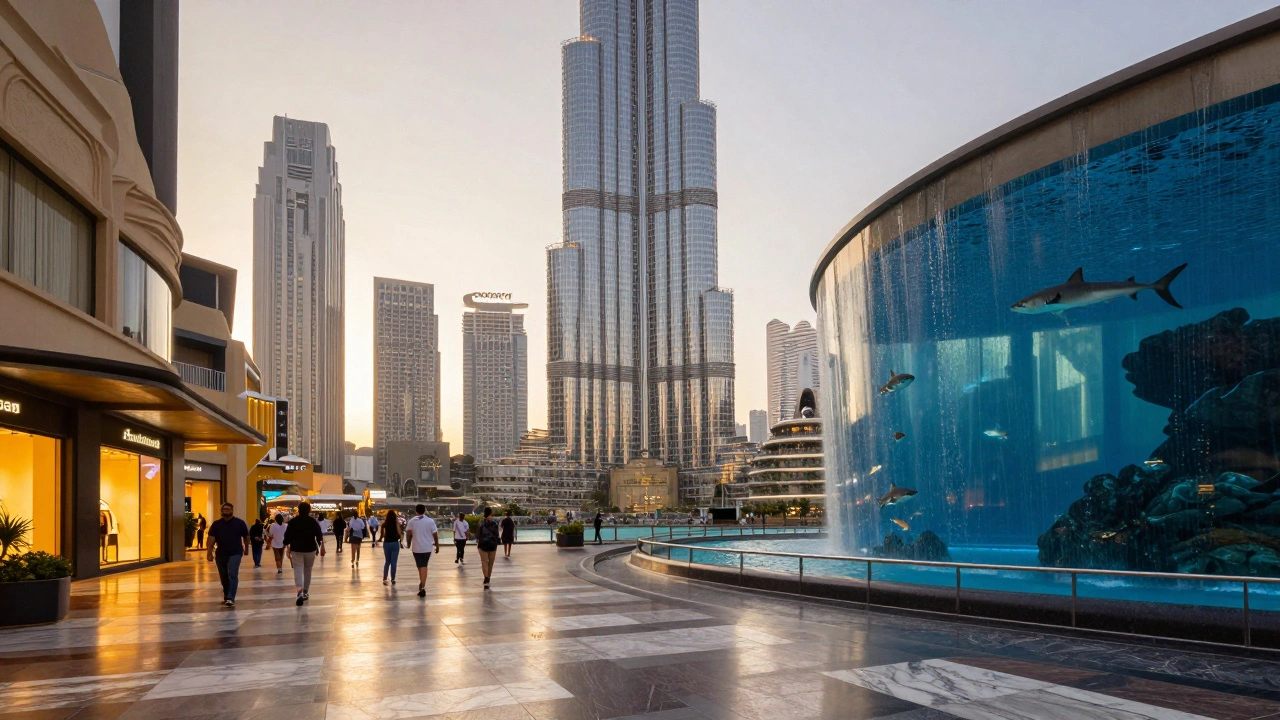
You’ve landed in Dubai. The skyline dazzles, the desert glows, and the heat hums outside-but inside? It’s cool, bright, and packed with luxury, chaos, and endless aisles of stuff you didn’t know you needed. If you’re wondering where to spend your time (and money) beyond the Burj Khalifa, the answer is simple: malls. Dubai doesn’t do shopping. It does experiences. And these 10 malls? They’re not just places to buy things. They’re destinations you’ll remember.
What Makes Dubai’s Malls So Different?
Let’s be real-most cities have malls. But Dubai? It turned shopping centers into theme parks with retail. You’ll find indoor waterfalls, ski slopes, aquariums, and IMAX theaters all under one roof. These aren’t just places to grab a coffee and a pair of sneakers. They’re social hubs, family hangouts, and Instagram backdrops rolled into one.
And the numbers don’t lie. Dubai Mall alone gets over 80 million visitors a year. That’s more than the entire population of Canada. Why? Because it’s not just about what’s for sale. It’s about what you feel while you’re there.
The Top 10 Malls in Dubai (2025 Edition)
1. Dubai Mall
If you only visit one mall in Dubai, make it this one. Located right next to the Burj Khalifa, Dubai Mall isn’t just big-it’s a city within a city. You’ll find over 1,200 stores, from Louis Vuitton to local Emirati designers. But here’s what sets it apart: the Dubai Aquarium & Underwater Zoo, the giant indoor waterfall, and the VR theme park. There’s even a full-scale ice rink and a 22-screen cinema.
Pro tip: Go early. By 2 p.m., the crowds are thick. If you’re into luxury, head to the Fashion Avenue section. For budget finds, check out the Souk Al Bahar area nearby.
2. Mall of the Emirates
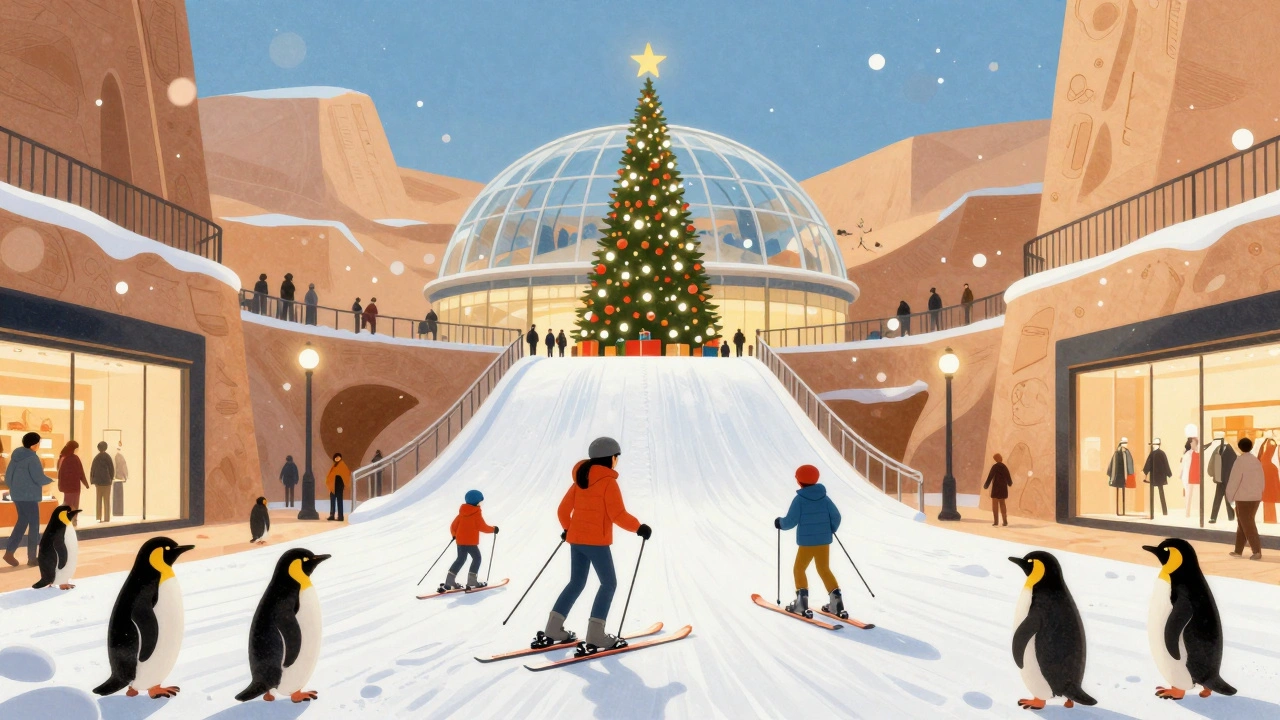
This is the only place on Earth where you can shop for designer handbags and then hit the slopes-indoors. Ski Dubai isn’t just a gimmick. It’s a real ski resort with real snow, ski instructors, and even penguin encounters. The mall itself has over 550 stores, including high-end brands like Gucci, Prada, and Zara. The food court? One of the best in the city, with over 50 options from Lebanese shawarma to Japanese ramen.
Fun fact: The snow park opened in 2005 and still draws locals who’ve never seen snow before. It’s not just a tourist trap-it’s a cultural experience.
3. Dubai Festival City Mall
Forget the crowds. If you want a more relaxed vibe with great views, this is your spot. Built along the water, the mall has an open-air promenade with live music, fountains, and boat rides. It’s perfect for families and couples who want to stroll, eat, and not get lost in a maze of stores. You’ll find everything from IKEA to H&M, plus a massive cinema with IMAX. The best part? The free shuttle boats that connect the mall to nearby hotels and the marina.
4. Ibn Battuta Mall
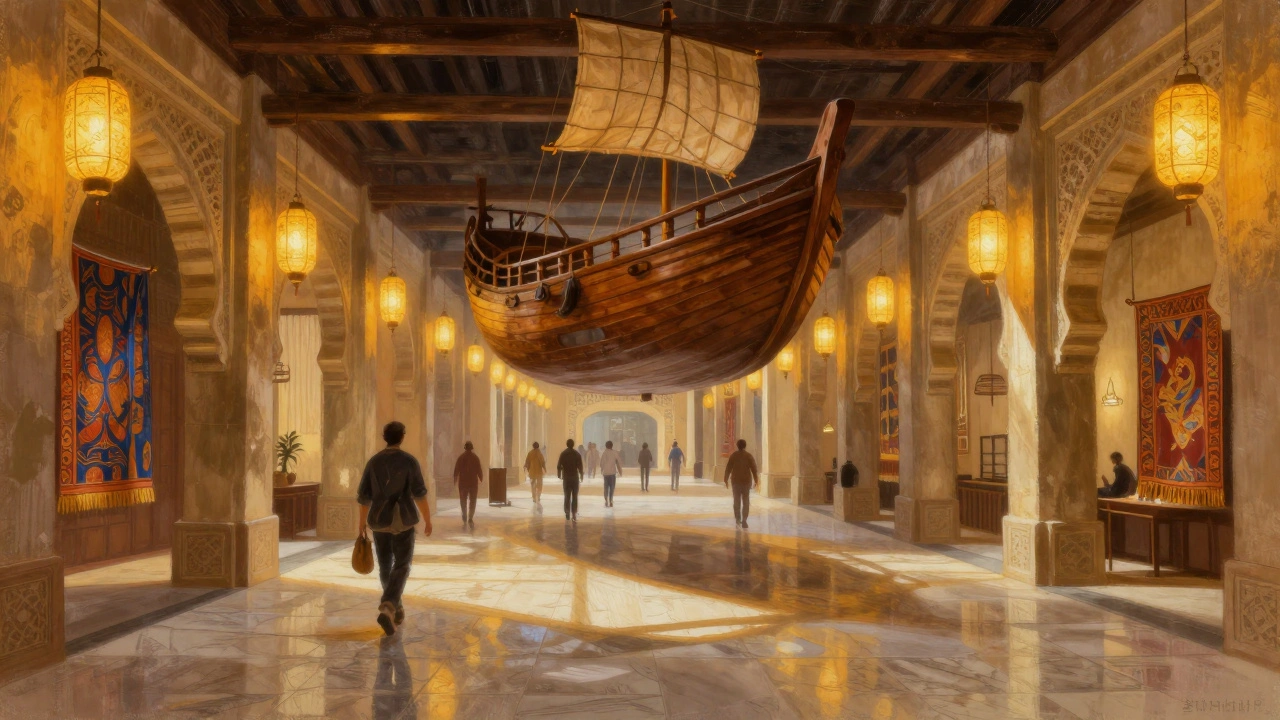
Step into a time machine. This mall is themed after the travels of Ibn Battuta, the 14th-century Moroccan explorer. Each section represents a different region he visited-China, Persia, India, Egypt, and more. You’ll walk through courtyards with Arabic arches, Chinese lanterns, and Indian marble floors. It’s not just decor-it’s storytelling. The stores are a mix of international brands and local artisans. Don’t miss the giant replica of a Chinese junk ship in the China court.
Great for: Culture lovers, photographers, and anyone who wants to feel like they’ve traveled the world without leaving the air-conditioned zone.
5. City Walk
Technically not a traditional mall, but it’s one of the most popular retail destinations in Dubai. Think open-air streets lined with boutiques, cafes, and art installations. No cars, no crowds, just smooth pavement and palm trees. You’ll find Apple, Nike, and exclusive local brands like The Dubai Mall Collection. It’s perfect for a slow afternoon-grab a cold brew, window-shop, and watch the street performers. The vibe? Think Venice Beach meets Parisian sidewalk.
6. The Dubai Outlet Mall
Looking for deals? This is your paradise. Located near the airport, it’s the go-to spot for discounted luxury. Brands like Michael Kors, Tommy Hilfiger, and Adidas are here at 30-70% off. It’s not flashy like Dubai Mall, but it’s packed with value. The parking is free, the lines are shorter, and the air-conditioning is strong. Pro tip: Visit on a Friday morning-locals come early to beat the heat and the rush.
7. Deira City Centre
For authentic Dubai, skip the glitter and head to Deira. This mall is where locals shop. It’s not the fanciest, but it’s the most real. You’ll find everything from traditional abayas to Bollywood DVDs, from gold souks to massive electronics stores. The food court is a goldmine for cheap, delicious Middle Eastern meals. It’s also one of the few malls with a dedicated prayer area and family restrooms-details that matter.
Best for: Budget travelers, families, and anyone who wants to see how everyday Dubai lives.
8. Yas Mall (Abu Dhabi, but worth the trip)
Wait-Abu Dhabi? Yes. And if you’re staying in Dubai for more than a few days, make the 90-minute drive. Yas Mall is huge, modern, and packed with attractions: an indoor Ferrari World theme park, a 10,000-seat cinema, and a massive arcade. It’s quieter than Dubai’s malls, cleaner, and less touristy. Plus, you can combine it with a visit to Ferrari World or the Yas Marina Circuit. If you’re a car fan or just want a break from the Dubai buzz, this is your escape.
9. Al Ain Mall
Another out-of-town gem. Al Ain is about an hour from Dubai, but it’s a totally different vibe-more relaxed, more local, more green. The mall here has a massive indoor garden, a kids’ play zone with a mini zoo, and a huge bookshop. It’s not a luxury hotspot, but it’s perfect for families with young kids or anyone who needs a quiet, air-conditioned break from the desert heat.
10. The Pointe, Palm Jumeirah
Picture this: you’re walking along a waterfront promenade, the sea on one side, designer stores on the other. The Pointe is that dream. It’s open-air, laid-back, and perfect for sunset strolls. You’ll find Zara, Sephora, and a few luxury boutiques, but the real draw is the view. The fountain shows are free, the restaurants have outdoor seating with sea breezes, and the vibe is pure vacation. It’s not the biggest, but it’s one of the most enjoyable.
What to Expect When You Visit
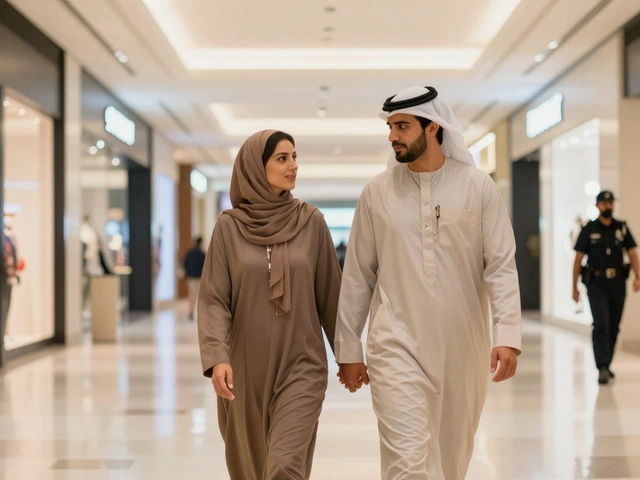
Most malls in Dubai open at 10 a.m. and close at midnight. Friday is the busiest day-locals get time off, so expect lines. Most malls have free Wi-Fi, nursing rooms, prayer rooms, and stroller rentals. Tipping isn’t expected, but staff are usually very friendly.
Don’t forget: Dubai is hot. Malls are your sanctuary. Bring a light jacket-air conditioning is brutal. And yes, you can bring your own water bottle. Refill stations are everywhere.
How to Get There
Most malls are connected to the Dubai Metro. Dubai Mall is right at the Burj Khalifa/Dubai Mall station. Mall of the Emirates is on the Red Line. For others, taxis are cheap (around 20-40 AED within the city). Ride-hailing apps like Careem and Uber work perfectly.
Comparison: Dubai Mall vs. Mall of the Emirates
| Feature | Dubai Mall | Mall of the Emirates |
|---|---|---|
| Size | Over 1.2 million sq ft | Over 1.1 million sq ft |
| Stores | 1,200+ | 550+ |
| Unique Attractions | Dubai Aquarium, VR Park, Ice Rink | Ski Dubai, Penguin Encounter |
| Best For | First-time visitors, luxury shoppers | Families, snow lovers |
| Food Options | Over 200 restaurants | Over 50 food outlets |
| Public Transport | Dubai Metro (Burj Khalifa/Dubai Mall) | Dubai Metro (Mall of the Emirates) |
FAQ: Your Questions About Dubai Malls Answered
Are Dubai malls open on weekends?
Yes. Most malls open at 10 a.m. and close at midnight, seven days a week. Friday and Saturday are the busiest, so plan ahead. Some smaller malls like The Pointe may close slightly earlier on Fridays during prayer times.
Is shopping in Dubai expensive?
It can be, but it doesn’t have to be. Dubai has everything from luxury boutiques to budget chains like Lulu Hypermarket and Carrefour. The Dubai Outlet Mall and Deira City Centre offer serious discounts. And don’t forget the tax-free shopping-no VAT on most items if you’re a tourist.
Can I return items bought in Dubai malls?
Most major malls have return policies, especially for international brands. Always ask at the time of purchase. Some stores offer returns within 14-30 days with a receipt. Smaller local shops may not accept returns, so check before you buy.
Are there places to rest or nap in Dubai malls?
Absolutely. Many malls have quiet lounges, prayer rooms with mats, and even nap pods in premium areas. Dubai Mall has dedicated family rest areas with reclining chairs. If you’re exhausted, just ask at customer service-they’ll point you to the nearest chill zone.
What’s the best time to visit Dubai malls?
Early morning (10-12 p.m.) or late evening (8-11 p.m.) are ideal. Avoid lunchtime (1-3 p.m.) and Friday afternoons. The air conditioning is strongest in the morning, and crowds thin out after dinner.
Final Tip: Don’t Just Shop-Explore
Dubai’s malls aren’t just about buying things. They’re about feeling something. Whether it’s the awe of walking through a giant aquarium, the chill of skiing indoors, or the quiet joy of a seaside walk at The Pointe-these places are designed to surprise you. So don’t just check them off a list. Take your time. Get lost. Try the food. Talk to the staff. Let the city surprise you.
Next time you’re in Dubai, skip the tourist traps. Head to one of these malls. You won’t just shop. You’ll remember it.
brandon garcia
December 3, 2025 AT 10:56Dubai malls are next-level madness-and I mean that in the best way possible. I walked into Dubai Mall and thought I’d entered a sci-fi movie where capitalism won and threw a rave. Ice rink? Check. Aquarium with sharks bigger than my ex? Double check. And the food? I ate falafel, sushi, and a croissant stuffed with gold leaf-all before noon. Unreal. This isn’t shopping. It’s performance art with a credit card.
Also, the AC is so strong I had to buy a hoodie just to not freeze to death. Worth it.
Joe Bailey
December 3, 2025 AT 11:52Let’s be honest-this list is just a glorified tourist brochure. Yes, Ski Dubai is cool, but it’s a gimmick built on oil money and desperation to impress foreigners. The real Dubai isn’t in malls-it’s in the souks of Deira, where you haggle for spices and get served chai by a guy who’s been doing it since 1987. These places are sensory overload designed to make you spend until your soul screams. I went to Dubai Mall and felt like a cattle product being herded into a glittery slaughterhouse.
And don’t get me started on the ‘cultural experience’ of a Chinese lantern replica. That’s not heritage-it’s Disney with a better HVAC system.
danny henzani
December 4, 2025 AT 21:30Yall act like these malls are magic but bro-this is just capitalism on steroids. America built the internet, China builds the future, but Dubai? They built a mall with a ski slope so tourists can pretend they’re in Switzerland while eating a $25 falafel wrap. I mean, come on. We’re talking about a city that literally built an island shaped like a palm tree. This isn’t progress-it’s delusion with free wifi.
And don’t even get me started on the ‘Ibn Battuta’ thing. Dude traveled the world for 30 years and you turn his legacy into a theme park with fake marble floors? That’s not culture, that’s cultural appropriation with a loyalty card.
Also, why is there a penguin encounter? Penguins live in Antarctica. Dubai has sand. This isn’t a mall-it’s a fever dream written by a bored billionaire.
Tejas Kalsait
December 5, 2025 AT 10:46The architectural phenomenology of Dubai’s retail ecosystems reflects a post-oil economic reconfiguration where consumerism becomes a spatial narrative. The malls are not merely commercial nodes but semiotic landscapes-each zone encoding cultural signifiers for globalized subjectivities. Ibn Battuta Mall, for instance, performs a neo-orientalist simulacrum, commodifying historical travel into digestible, climate-controlled vignettes.
Further, the hyper-accelerated consumption cycle here mirrors Baudrillard’s notion of the simulacrum: the sign replaces the real. The aquarium isn’t about marine biology-it’s about the spectacle of awe as a currency.
And yet, paradoxically, the presence of prayer rooms and family rest areas signals a dialectical tension between global capitalism and local social norms. Fascinating.
Deira City Centre remains the most authentic locus precisely because it resists total aestheticization. It is the exception that proves the rule.
Emily Martin
December 6, 2025 AT 10:55I visited Dubai Mall last year and honestly, I cried. Not because I spent too much (I didn’t), but because the sheer scale of it all was overwhelming in the best way. The aquarium was breathtaking, the staff were incredibly kind, and I got lost for three hours just wandering. I didn’t even realize I’d walked past three food courts until I was hungry again.
Also, the free water refill stations? Genius. I filled my bottle 12 times. So thoughtful. And the fact that they have nap pods? I’m stealing that idea for my city. Someone should make this a global standard.
Grace Nean
December 8, 2025 AT 08:50Just wanted to say thank you for highlighting Deira City Centre. So many guides overlook it, but it’s where you really feel the heartbeat of Dubai. I saw a grandmother buying spices with cash, a group of teens dancing in the food court, and a guy selling handmade oud perfume from a tiny stall. That’s the magic-not the ice rink or the sharks, but the people.
Also, the prayer rooms and family rest areas? That’s what makes these spaces truly inclusive. Not every city does that. It’s quiet, thoughtful design. I wish more places were built like this.
aidan bottenberg
December 9, 2025 AT 15:38It is noteworthy that the integration of public transportation infrastructure with major retail hubs in Dubai represents a model of urban planning that prioritizes accessibility and sustainability. The Dubai Metro’s direct connection to Dubai Mall and Mall of the Emirates significantly reduces vehicular congestion and carbon emissions.
Furthermore, the provision of climate-controlled environments in a region with average summer temperatures exceeding 40°C is not merely a convenience-it is a necessity for public health and social cohesion. The design philosophy here demonstrates a sophisticated understanding of environmental adaptation.
One might argue that the emphasis on experiential retail reflects a broader trend in post-industrial economies, wherein consumption is increasingly tied to emotional and sensory engagement rather than utilitarian need. This paradigm shift warrants further academic inquiry.
mahesh moravaneni
December 11, 2025 AT 01:51WHY IS EVERYONE SO QUIET ABOUT HOW THIS IS ALL JUST A SHOW FOR FOREIGNERS?!?!?!?!?!?!?!
YOU THINK THE PENGUINS ARE REAL?!?!?!?!?!?!?! THEY’RE PAID TO STAND THERE WHILE TOURISTS TAKE SELFIES!!!
THEY HAVE A SKI SLOPE BECAUSE THEY’RE TOO WEAK TO HANDLE A REAL WINTER!!!
AND DON’T EVEN GET ME STARTED ON THE ‘CULTURAL EXPERIENCE’ OF A FAKE CHINESE JUNK SHIP!!!
THIS ISN’T CULTURE-IT’S A LIE MADE OF GLASS AND AIR CONDITIONING!!!
AND WHY IS EVERYTHING SO EXPENSIVE?!?!?!?!?!?!?! I SAW A SANDWICH FOR 45 AED!!!
THE REAL DUBAI IS IN THE BACK ALLEYS WHERE PEOPLE ACTUALLY LIVE!!!
STOP GLOWING ABOUT MALLS!!!
YOU’RE ALL JUST CONSUMERS!!!
John Galt
December 12, 2025 AT 01:56The commodification of cultural nostalgia in Ibn Battuta Mall constitutes a profound epistemological rupture in the phenomenology of public space. The simulacral replication of historical geographies-each courtyard, each tile, each lantern-functions not as a memorial, but as a diagnostic tool for the collapse of authentic cultural memory into marketable aesthetic fragments.
Moreover, the institutionalized provision of climate-controlled sanctuaries in a hyper-arid environment reveals a systemic inversion: the desert, once a symbol of spiritual austerity, has been reconfigured as a logistical constraint to be neutralized through technological dominance.
And yet, the persistence of the prayer room-a quiet, unbranded, unmonetized zone within the labyrinth of consumption-suggests a residual, perhaps even subversive, adherence to pre-capitalist modes of being. Is this tolerance? Or merely strategic inclusion?
The penguin enclosure, meanwhile, is not an attraction-it is a metaphor. A creature displaced, confined, performing its naturalness for an audience that has forgotten what nature even is.
These malls are cathedrals of late capitalism. And we are the worshippers.
Who will be the first to realize we’ve been sacrificed to the altar of retail?