Architecture Dubai: Iconic Buildings, Design Marvels, and Urban Landmarks
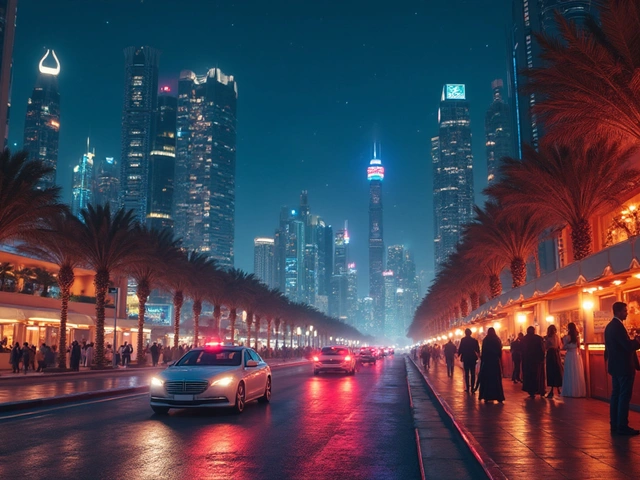
When you think of architecture Dubai, the bold, futuristic skyline that redefines urban design in the desert. Also known as Dubai’s built environment, it’s not just about tall buildings—it’s about ambition made visible. This city didn’t just build structures; it turned engineering into art, and scale into storytelling. From glass bridges suspended 150 meters above ground to hotels shaped like sails floating on man-made islands, Dubai’s architecture doesn’t ask if it’s possible—it just builds it.
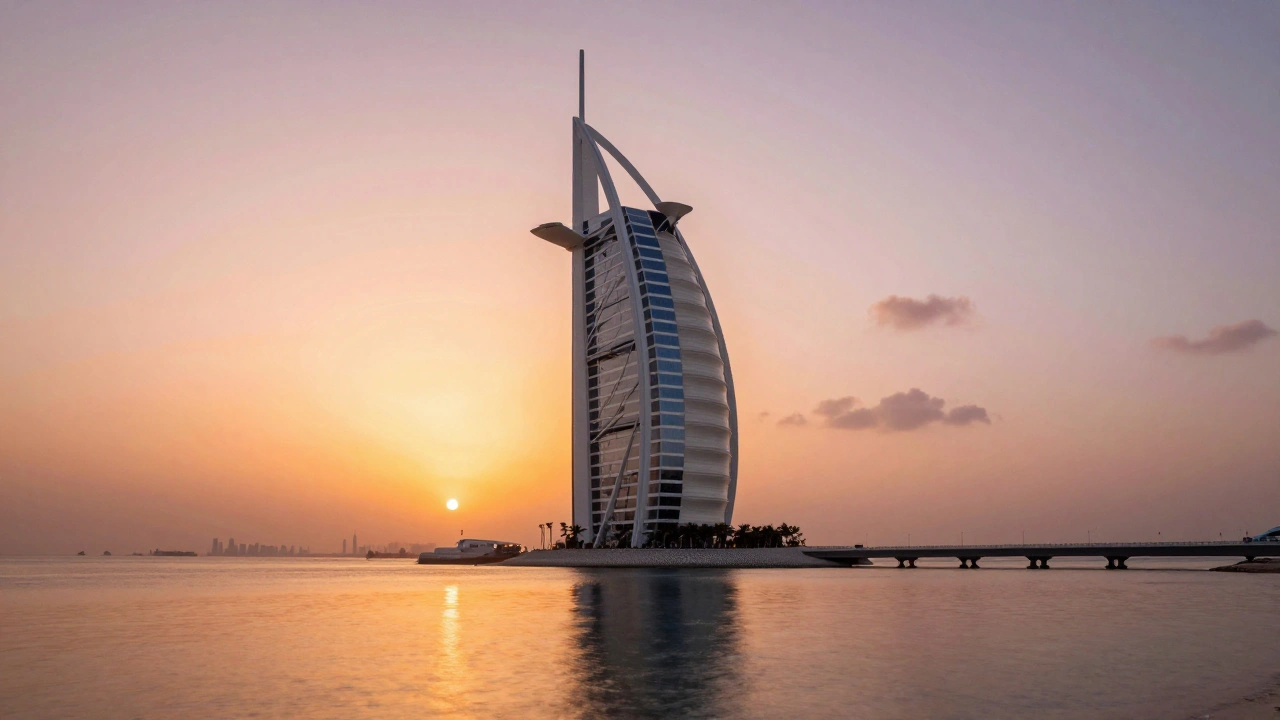
The Burj Khalifa, the world’s tallest building and a global symbol of ambition isn’t just a tower—it’s a vertical city with its own weather system. Then there’s the Burj Al Arab, a sail-shaped luxury hotel built on an artificial island, designed to look like it’s rising from the sea, where every detail, from the 180-meter atrium to the gold-leaf interiors, screams exclusivity. And the Dubai Frame, a 150-meter-high golden picture frame that connects old Dubai with the modern skyline, isn’t just a photo op—it’s a museum that tells the story of how this city transformed from a fishing village to a global hub in under 50 years. Even the Dubai Aquarium, a 10-million-liter underwater tunnel inside Dubai Mall, turns a shopping center into an architectural wonder, blending structure, light, and marine life into one seamless experience.
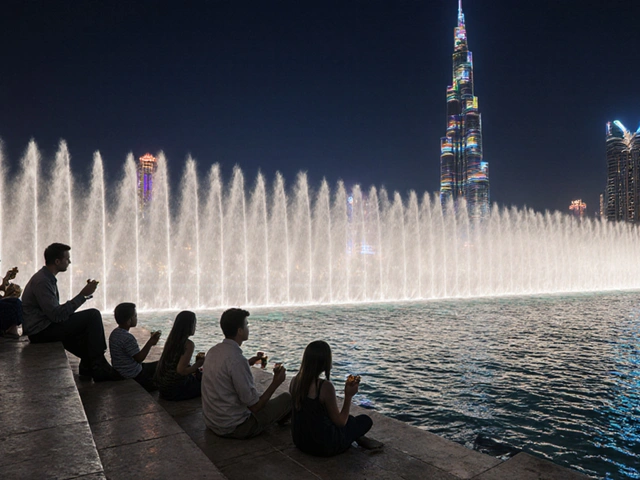
These aren’t random buildings. They’re connected by a single idea: push boundaries. Whether it’s the engineering behind the world’s largest fountain, the way the Dubai Frame frames two eras of the city, or how the Burj Al Arab’s design defies gravity, each structure answers the same question—what if we did this differently? You’ll find posts here that break down how these landmarks were built, what they cost, why they matter to locals, and where you can walk through them without spending a dime. No fluff. Just real insights into the buildings that make Dubai look like it’s from the future—because, in many ways, it is.