Arabic Incense: The Scent of Dubai’s Culture and Tradition
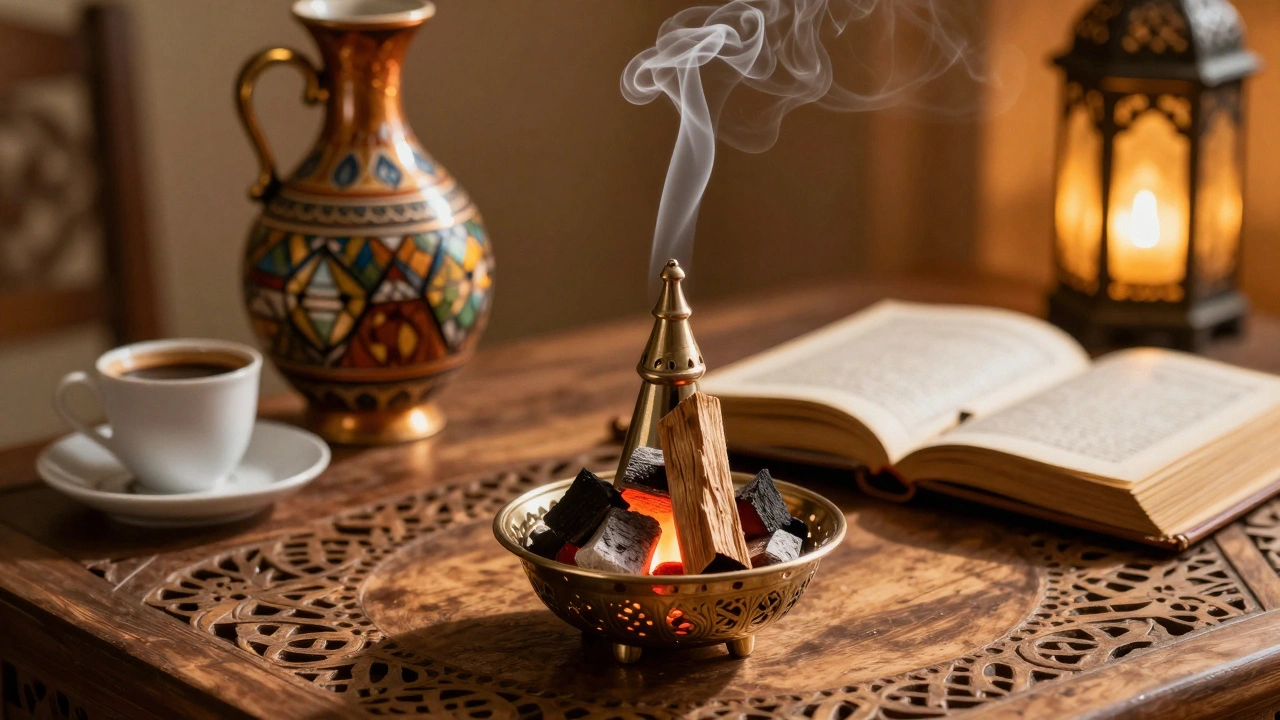
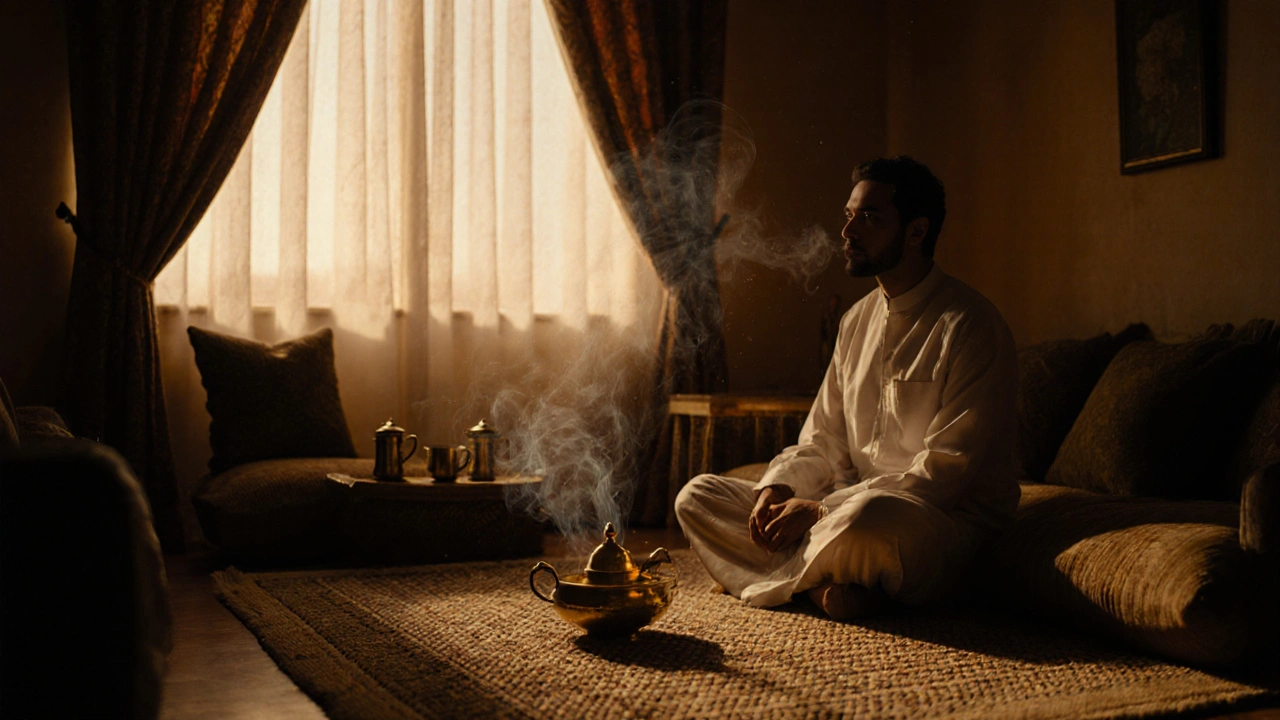
When you walk into a home, shop, or mosque in Dubai, the first thing you notice isn’t the gold or the glass—it’s the smell. Arabic incense, a deep, smoky blend of natural resins, woods, and spices used for centuries across the Gulf. Also known as bakhoor, it’s not just perfume—it’s a ritual, a welcome, a memory. This isn’t something you buy at a duty-free shop and forget. It’s lit in homes every morning, burned during Ramadan, offered to guests as a sign of respect, and even used to freshen up cars and clothing. You’ll find it in every Emirati household, often passed down through generations.
At its heart is oud, a dark, resinous wood from the agar tree, harvested only after infection by a specific mold, making it rare and valuable. Also called agarwood, it’s the most prized ingredient in high-end Arabic incense. Oud alone can cost more than gold per gram. But it’s rarely used alone. Mix it with amber, rose, saffron, or cardamom, and you get bakhoor—small wood chips soaked in oil and scent, ready to be burned on charcoal. The smoke curls slowly, filling rooms with a scent that lingers for hours. It’s not overpowering—it’s comforting, like a warm blanket made of air.
Why does this matter in Dubai? Because this scent is tied to identity. It’s how Emiratis greet you at the door, how families celebrate Eid, how hotels welcome guests before they even check in. The traditional Emirati incense, a blend of oud, frankincense, and local spices, often customized by family recipes isn’t mass-produced. It’s made by hand in small batches, sometimes in back rooms of spice markets in Deira or Bur Dubai. You won’t find it in big chains—you find it in family-run shops where the owner knows your name and how you like your smoke: light, strong, sweet, or smoky.
And it’s not just for people. You’ll see it in mosques, where the scent helps create calm. In luxury hotels like the Burj Al Arab, where it’s diffused through the lobby to set a mood. Even in cars—many Dubai drivers keep a small burner on the dashboard. This isn’t decoration. It’s culture, worn like a second skin.
What you’ll find in the posts below isn’t just a list of where to buy it. You’ll see how it’s made, why some types cost thousands, how locals use it daily, and what blends you should try if you want to bring a piece of Dubai home. No fluff. No tourist traps. Just real stories from people who live with this scent every day.