
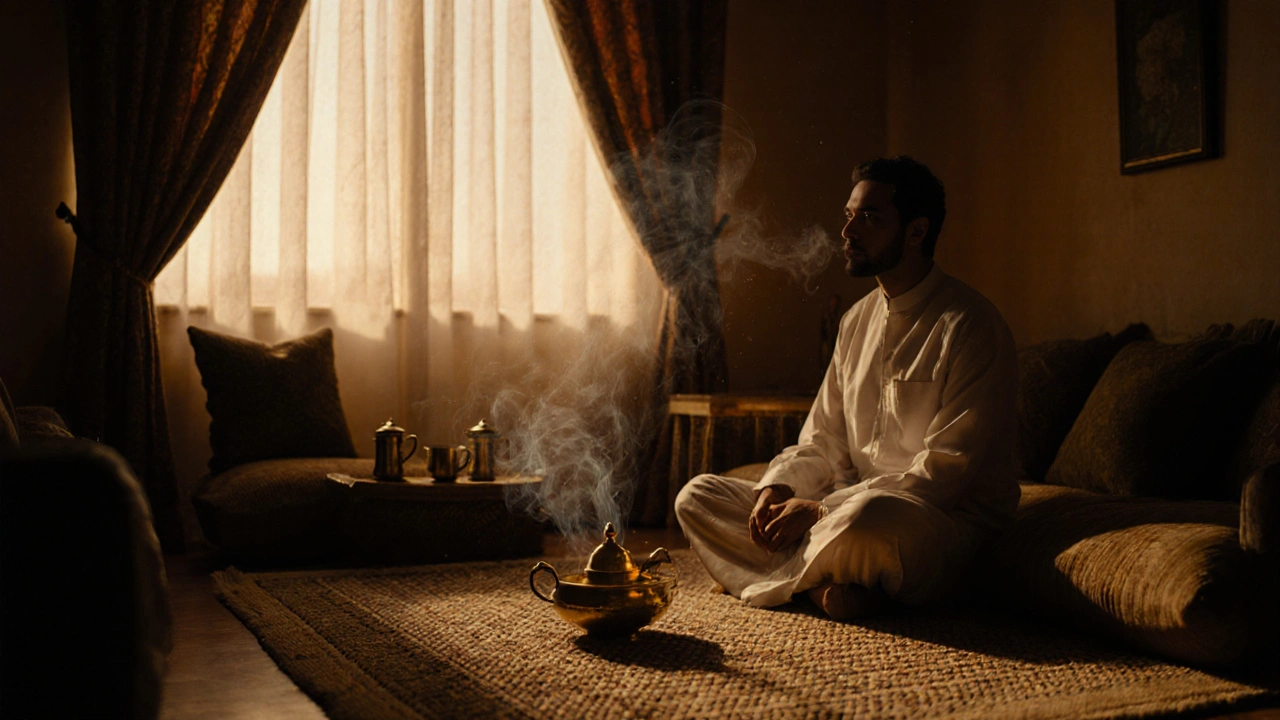
You walk into a home in Dubai, and the air feels different-warm, rich, like sandalwood kissed by smoke and something deeper, almost like amber caught in sunlight. That’s bakhoor. It’s not just fragrance. It’s hospitality. It’s tradition. It’s the invisible handshake that says, You’re welcome here.
If you’ve ever been invited to a Emirati home, a luxury hotel lobby, or even a quiet corner of the Gold Souk, you’ve felt it. Bakhoor isn’t just burned-it’s experienced. And in Dubai, where scent is as important as silk or gold, knowing the top 10 bakhoor brands isn’t a luxury. It’s essential.
What Exactly Is Bakhoor?
Bakhoor (pronounced buh-khoor) is traditional Arabic incense made from wood chips-usually agarwood or oud-soaked in essential oils, resins, and natural fragrances. Unlike stick incense, bakhoor comes in chunks, pellets, or chips. You place it on glowing charcoal in a mabkhara (incense burner), and the smoke rises slowly, filling the room with layered, long-lasting scent.
It’s not perfume. It’s not air freshener. It’s a ritual. In Emirati culture, burning bakhoor is part of greeting guests, celebrating Eid, welcoming a newborn, or simply turning an ordinary evening into something sacred. The scent lingers on clothes, hair, and curtains for days. That’s why people don’t just buy bakhoor-they collect it.
Why Bakhoor Matters in Dubai
Dubai is a city where scent defines space. A luxury hotel won’t just have a signature fragrance-it’ll have a signature bakhoor. Wedding halls burn it before guests arrive. Even high-end car dealerships use it to make test drives feel like royal experiences.
Why? Because in a place where status, tradition, and hospitality collide, scent becomes a silent language. A good bakhoor says you respect your guests. It says you’ve spent time choosing something authentic. It says you care.
And if you’re visiting Dubai-or living here-you’ll notice the difference between cheap, synthetic incense and the real stuff. The real bakhoor doesn’t hit you in the face. It wraps around you. It stays with you.
Top 10 Bakhoor in Dubai (2025)
Here are the 10 bakhoor brands and blends you’ll find in homes, boutiques, and souks across Dubai. These aren’t just popular-they’re trusted. Some have been around for generations. Others are new but already cult favorites.
- Al Haramain Amberoud - The gold standard. Made with 90% pure oud oil, this one smells like a desert night after rain. Deep, woody, slightly sweet. Used in royal households and five-star hotels. A little goes a long way.
- Nabeel Oud Al Shams - A crowd-pleaser. Smells like honeyed amber with a hint of vanilla. Perfect for daily use. You’ll find it in every Emirati living room. Affordable and long-lasting.
- Al Rehab Oud & Roses - A modern classic. The rose doesn’t overpower the oud-it dances with it. Ideal for women and guests. Light enough for offices, deep enough for evenings.
- Swiss Arabian Oud Al Mubarak - Known for its bold, smoky profile. This one’s for those who like their scent with presence. Often burned during Eid and weddings. Comes in a beautiful brass box.
- Al Mayasir Al Oud - A rare find. Made with wild-harvested oud from Southeast Asia, aged for three years. Smells like wet earth, leather, and old books. Not for everyone-but those who love it, worship it.
- Arabian Oud Al Makhloot - A blend of 18 natural ingredients, including saffron, musk, and sandalwood. The most complex scent on this list. Used by collectors and connoisseurs. Expensive, but worth it if you want to impress.
- Al Nar Al Oud - A fiery, intense blend. Think burning cedar, smoke, and a touch of black pepper. Popular among men and in traditional majlis settings. Not subtle-but unforgettable.
- Al Oudh Al Khas - A minimalist masterpiece. Only three ingredients: oud, rose, and frankincense. Clean, elegant, timeless. Perfect for small spaces or if you’re sensitive to strong smells.
- Al Shams Oud Al Arabi - A family recipe from Sharjah, passed down for 70 years. Smells like your grandfather’s old wooden chest. Nostalgic, warm, comforting. Often gifted during Ramadan.
- Al Faransi Oud - The only French-inspired bakhoor on this list. Created by a Dubai-based perfumer who studied in Grasse. Blends oud with lavender and bergamot. Unexpected, but wildly popular with expats and younger locals.
How to Choose the Right Bakhoor for You
Not all bakhoor is made equal. Here’s how to pick the right one:
- For daily use: Go for Nabeel Oud Al Shams or Al Rehab Oud & Roses. Light, pleasant, won’t overwhelm.
- For guests: Al Haramain Amberoud or Arabian Oud Al Makhloot. They make people pause and say, “What is that smell?”
- For special occasions: Al Mayasir Al Oud or Al Nar Al Oud. Bold, memorable, and traditional.
- For sensitive noses: Al Oudh Al Khas. Clean, simple, no clutter.
- For collectors: Al Mayasir Al Oud or Al Faransi Oud. Unique, limited batches, high value.
Pro tip: Always buy from trusted sellers. Fake bakhoor is everywhere-especially online. Look for thick, dark chips with visible oil. If it smells too sweet or chemical, walk away.
Where to Buy Bakhoor in Dubai
You can find bakhoor everywhere-but where you buy it matters.
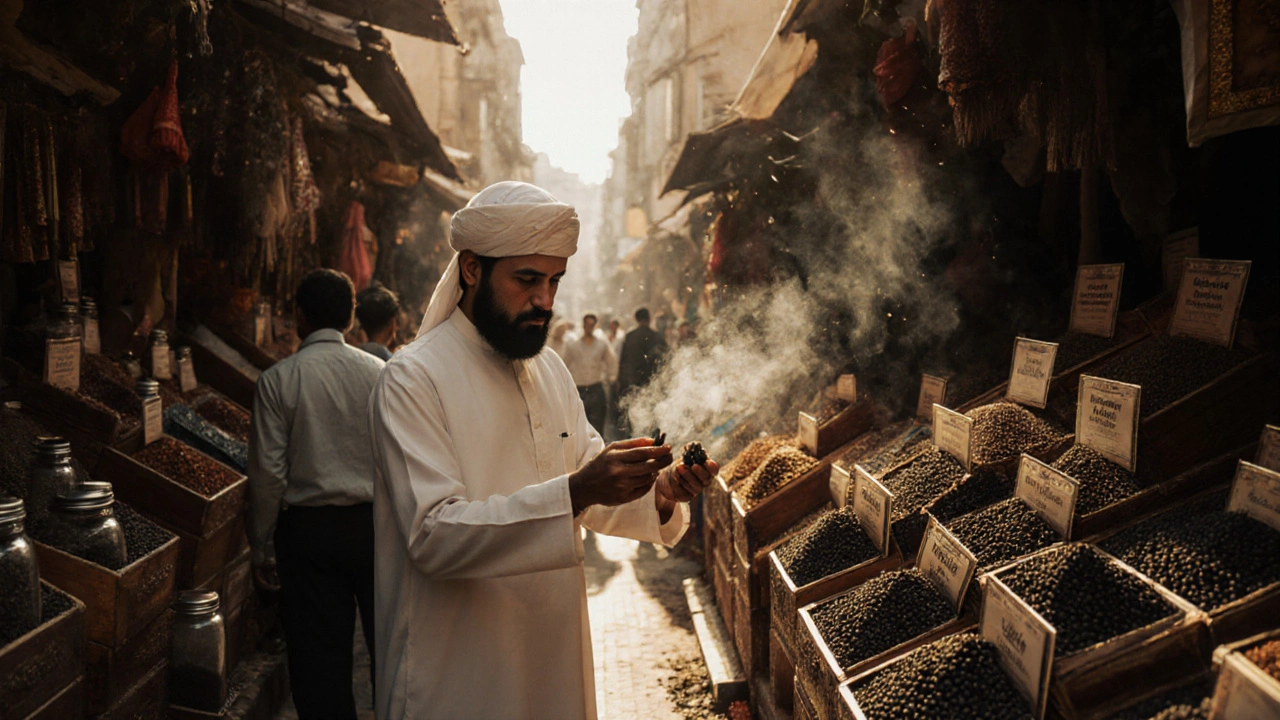
- Gold Souk (Deira): The best place to find authentic, high-end brands. Visit Al Shams Perfumes or Al Haramain Perfumes. Ask for the original packaging-they’ll show you the batch number.
- Dubai Mall (Level 2, Perfume Alley): Great for tourists. Brands like Al Rehab and Swiss Arabian have flagship stores. Clean, air-conditioned, easy to sample.
- Al Fahidi Historical Neighbourhood: Hidden gems. Smaller shops like Bakhoor Al Qasr sell hand-blended, small-batch bakhoor. You’ll meet the makers here.
- Online (Dubai-based sellers only): Stick to sellers with physical stores in Dubai. Check reviews for delivery time and authenticity. Avoid Amazon or AliExpress-most are fake.
Never buy bakhoor from street vendors near Burj Khalifa. The scent might smell good at first-but it’ll turn sour after a few hours. Real bakhoor improves with time.
How to Burn Bakhoor the Right Way
Bad burning ruins good bakhoor. Here’s how to do it right:
- Use a mabkhara (incense burner) made of brass or ceramic. Avoid plastic or cheap metal.
- Light a charcoal disc with a lighter. Let it glow red for 2 minutes.
- Place 1-2 small chips (pea-sized) on top. Don’t pile them.
- Let the smoke rise. Don’t blow on it. Let it breathe.
- Close the room for 10 minutes. Then open windows slightly. The scent should linger, not choke.
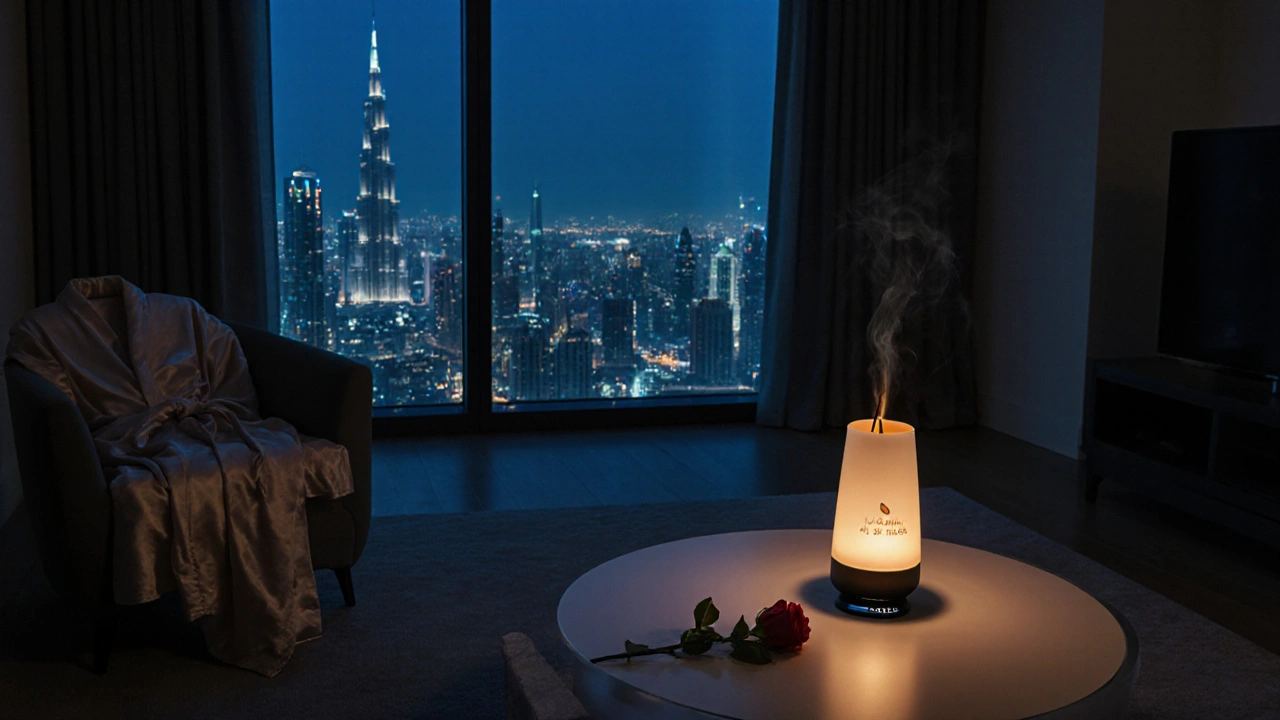
Pro tip: Use a small electric incense burner if you’re in a modern apartment. No charcoal, no smoke, just heat and fragrance. Works great with Al Rehab and Al Oudh Al Khas.
Bakhoor vs. Western Perfume: What’s the Difference?
| Feature | Bakhoor | Western Perfume |
|---|---|---|
| Base | Natural wood, resins, oils | Alcohol, synthetic molecules |
| Longevity | 8-24 hours on fabrics | 4-8 hours on skin |
| Intensity | Slow, layered, builds | Immediate, sharp, fades |
| Use | Rooms, clothes, hospitality | Body, personal use |
| Cultural Role | Tradition, ritual, welcome | Style, individual expression |
| Price Range (Dubai) | AED 30-500 per 100g | AED 150-2000 per 100ml |
Bakhoor doesn’t go on your skin-it fills your space. It’s not about you. It’s about the atmosphere you create.
Frequently Asked Questions
Is bakhoor safe to burn indoors?
Yes, if you use natural, high-quality bakhoor and burn it in a well-ventilated space. Avoid burning large amounts in small, sealed rooms. People with asthma or allergies should use electric burners or limit exposure. Always choose brands that list natural ingredients-no synthetic additives.
How long does bakhoor last?
A 100g pack lasts 3-6 months if used 2-3 times a week. High-quality oud bakhoor like Al Haramain can last over a year because you use less per burn. Store it in a cool, dark place-never in the bathroom or near sunlight.
Can I use bakhoor in my car?
Yes-but not with charcoal. Use a small electric car diffuser with bakhoor chips. Brands like Al Rehab and Swiss Arabian sell pre-packaged car bakhoor inserts. Avoid placing open burners in cars-it’s a fire risk and the smoke can fog windows.
What’s the most expensive bakhoor in Dubai?
The most expensive is Al Mayasir Al Oud-up to AED 1,200 for 100g. It’s made from 20-year-old wild oud from Laos, aged in cedar barrels. Only 50 batches are made yearly. You won’t find it in malls. You have to order it directly from the maker in Al Fahidi.
Do Emiratis still use bakhoor every day?
Absolutely. In most Emirati homes, bakhoor is burned every morning and evening. It’s as normal as turning on the lights. Many families have a signature blend passed down through generations. It’s not about luxury-it’s about rhythm. The scent is part of the home’s heartbeat.
Final Thought: The Scent of Belonging
In Dubai, where so much changes so fast, bakhoor is one of the few things that stays the same. It’s the smell of hospitality. Of family. Of quiet pride. Whether you’re hosting a dinner, trying to feel at home, or just want to make your apartment feel like a sanctuary-choosing the right bakhoor isn’t about trends. It’s about connection.
Start with one bottle. Burn it once. Let it fill your space. Then ask yourself: Does this smell like peace? Does it make you breathe slower? If the answer is yes-you’ve found your bakhoor.



Frank Naessens
November 23, 2025 AT 15:36I tried Al Rehab Oud & Roses after reading this and wow it’s like walking into a garden that’s been kissed by a desert wind. No chemical aftertaste, just smooth and warm. I burn it every night now and my dog even sits closer to the burner. Weirdly comforting.
Also bought a brass mabkhara off Amazon - don’t do that. Got a real one from Gold Souk last week. Huge difference. Smoke doesn’t choke, just lingers like a good memory.
Patricia Estera Esquejo
November 25, 2025 AT 08:41Let me get this straight - people are paying over a thousand dirhams for wood chips soaked in oil and calling it ‘spiritual’? This isn’t fragrance, it’s performative nostalgia wrapped in cultural appropriation. You’re not ‘connecting’ to tradition, you’re buying a scent that makes your apartment smell like a tourist trap masquerading as heritage.
And don’t even get me started on ‘electric burners’ - that’s like using a hairdryer to roast a turkey. If you can’t handle real charcoal, maybe you shouldn’t be burning anything at all. This whole trend is just another way for Dubai to sell overpriced smoke to people who think scent is a status symbol.
julia costa
November 25, 2025 AT 10:57Al Haramain Amberoud is the one everyone talks about but honestly it smells like a candle shop had a seizure. I tried it once and my neighbor knocked on my door asking if I was burning tires. The whole thing feels like marketing fluff wrapped in Arabic words. Just get a regular incense stick if you want to chill.
Also why is everyone acting like bakhoor is some ancient secret? My grandma burned pine needles and called it good enough. We didn’t need a 10-item list to feel welcome.
Clay Hamilton
November 26, 2025 AT 15:42Look I get why people love bakhoor but let’s be real here - most of these brands are just rebranded oud oil with fancy packaging and a story about grandpas in Sharjah. The truth is the market is saturated with fake stuff and people are paying premium prices for something that’s basically expensive air. And don’t even get me started on the ‘electric burner’ crowd - you’re not honoring tradition, you’re just avoiding smoke in your apartment because you’re scared of a little soot.
Also the whole ‘scent is a silent language’ thing? That’s just poetic nonsense. People like it because it smells nice and they want to feel cultured. There’s nothing wrong with that but let’s not pretend it’s some sacred ritual when half the people buying it can’t even name three ingredients in their own bakhoor.
And the Gold Souk tip? Sure if you’re willing to haggle for an hour and risk getting scammed by a guy who says his uncle was the Sultan’s perfumer. Real talk - most of those shops source from the same three factories in India and slap on different labels. The real Al Mayasir? You’re not finding it unless you know someone who knows someone. Everything else is theater.
Paul Eric
November 28, 2025 AT 06:09Why do people care so much about bakhoor brands like it’s a sport? I tried three of these and they all smelled like burnt wood with a hint of perfume. The one called Al Nar Al Oud was the only one that didn’t make me want to leave the room. Everything else is just noise. You don’t need a list of ten. You need one that doesn’t make your nose hurt. And forget the electric burners - if you’re not using charcoal you’re not doing it right. Just burn a little and let it be. No need to overthink it.
Also why is everyone talking about gold souk like it’s holy ground? I bought a pack there and it smelled the same as the one from the mall. Probably same factory. Just different box.
donna maukonen
November 28, 2025 AT 08:13I love how this post doesn’t just list products but actually explains why scent matters here - not as decoration but as rhythm. There’s something quiet and deep about burning bakhoor every morning and evening. It’s not about impressing guests, it’s about marking time.
I started with Al Oudh Al Khas because I have a tiny apartment and a cat who hates strong smells. Now I can’t imagine not having that quiet moment when the smoke rises and the room just… settles.
Also I tried the electric burner with Al Rehab and it’s a game changer for workspaces. No smoke, just warmth. Feels like the scent is breathing with you, not attacking you.
And yeah the Gold Souk is overwhelming but if you go early and ask for the shop owner’s personal favorite, they’ll often give you a tiny sample. No sales pitch. Just a smile and a nod. That’s the real magic.
Also I think the most expensive bakhoor isn’t the one with the highest price tag - it’s the one your grandma used to burn and you can’t find anymore. That’s the one that really lingers.
And if you’re skeptical? Try it once. Just once. Sit in silence with the smoke. Don’t check your phone. Let it fill the room. Then tell me if it doesn’t feel like home.
Peace out 🌿