
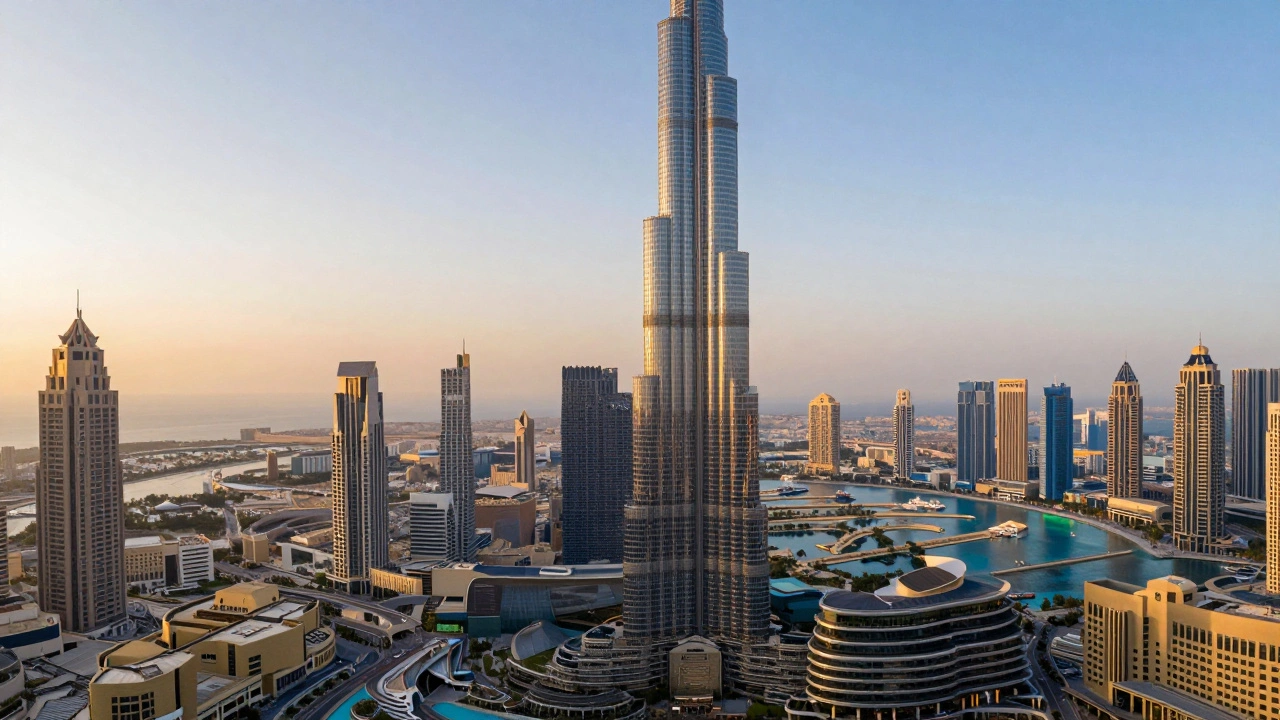
You’ve probably seen the skyline of Dubai-glass towers piercing the clouds, islands shaped like palm trees, luxury yachts lined up like toys. But behind every one of those glittering buildings, there’s a story. And the biggest story? The man who turned sand and ambition into a real estate empire worth tens of billions. So, who is the richest man in Dubai? It’s not who you think.
Meet Mohammed Alabbar
The richest man in Dubai is Mohammed Alabbar a UAE-born businessman and founder of Emaar Properties, one of the largest real estate developers in the world. He’s not just rich-he’s the architect of modern Dubai. If you’ve stood at the foot of the Burj Khalifa, shopped at Dubai Mall, or stayed in one of Emaar’s luxury apartments, you’ve experienced his vision.
Alabbar didn’t start with a silver spoon. Born in 1955 in Dubai, he grew up in a modest family. He worked as a teacher, then moved into banking. But what set him apart was his obsession with building-not just structures, but futures. In 1997, he founded Emaar Properties with a simple goal: to make Dubai a global city, not just a regional hub.
How He Built a Real Estate Empire
Alabbar didn’t wait for Dubai to become famous. He made it famous.
In 2004, Emaar launched the Burj Khalifa. At 828 meters tall, it wasn’t just the tallest building in the world-it was a statement. A bet on Dubai’s future. The Burj wasn’t built to be a skyscraper. It was built to be a symbol. And it worked. Tourism surged. Investors flooded in. Property values skyrocketed.
Then came Dubai Mall. Opened in 2008, it’s now the largest shopping center on Earth, with over 1,200 stores, an indoor aquarium, and a 22,000-square-meter fountain. People don’t just shop there-they come to experience. And that’s Alabbar’s genius. He didn’t sell real estate. He sold dreams.
His projects didn’t stop at towers and malls. He built entire communities: Dubai Marina, Downtown Dubai, Arabian Ranches. Each one designed to attract a different kind of life-expats, families, luxury seekers. He didn’t just develop land. He created ecosystems.
Why Real Estate in Dubai Is Different
Real estate in Dubai isn’t like New York or London. There’s no property tax. No capital gains tax. Foreigners can own freehold property in designated zones. That’s rare in the Middle East. And Alabbar knew how to use it.
While other developers built apartments and sold them, Alabbar built experiences. He made people want to live in Dubai-not just because it’s hot and sunny, but because it feels like the future. That’s why his properties hold value even during global downturns. When oil prices crashed in 2015, Dubai’s real estate held firm. Why? Because Alabbar didn’t sell square footage. He sold identity.
His Net Worth and Global Influence
As of 2025, Mohammed Alabbar’s net worth is estimated at $17.8 billion by Forbes. He’s ranked among the top 150 richest people on Earth. But here’s what most people miss: he’s not just a real estate mogul. He’s also the chairman of Emaar Malls, Emaar Hospitality Group, and a major investor in tech startups through his private equity fund, Meraas.
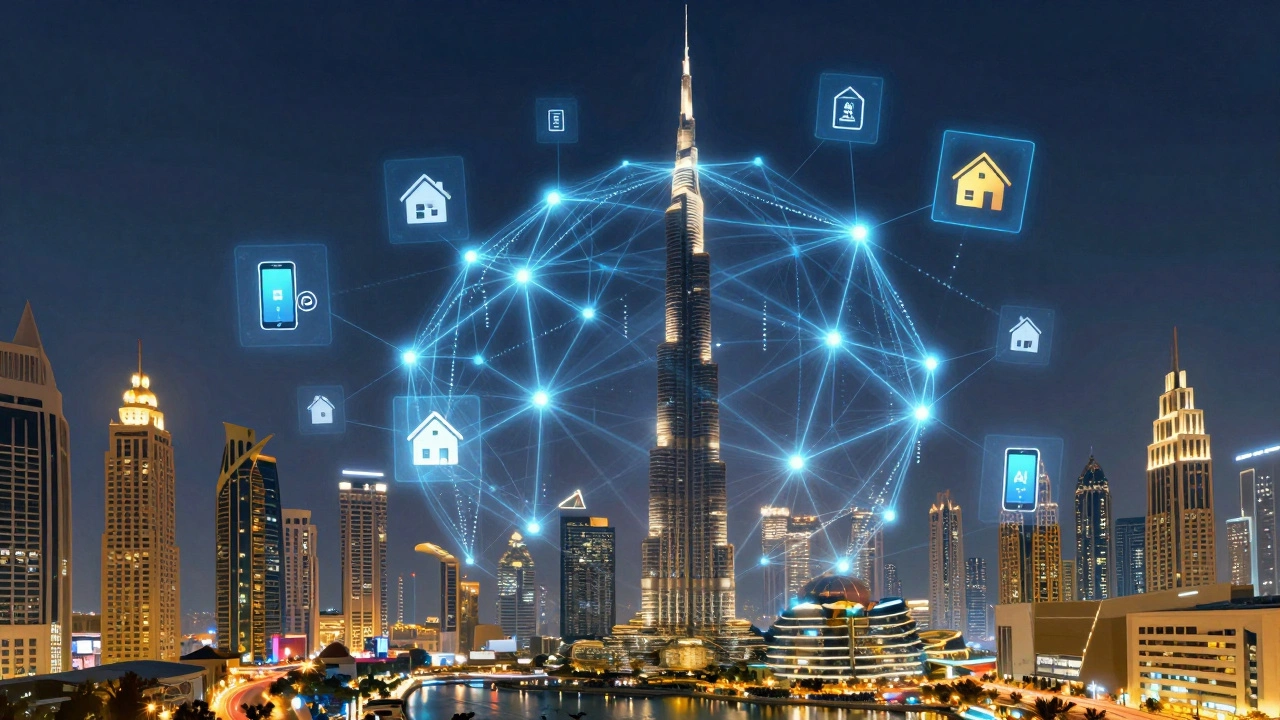
He owns stakes in companies like Careem (the Uber of the Middle East) and has backed AI and fintech ventures in Dubai’s Innovation District. He understands that the future of real estate isn’t just bricks and mortar-it’s data, connectivity, and smart living.
Who Else Is in the Race?
Alabbar isn’t alone. Dubai has other billionaires who made fortunes in property:
- Abdul Rahman Al Ghurair - Founder of the Al Ghurair Group, built a retail and real estate empire across the GCC.
- Abdul Aziz Al Ghurair - His son, now leads the family’s investments in luxury developments and hospitality.
- Issam Al Faisal - Developer behind the Dubai Creek Harbour project, a direct competitor to Emaar’s Downtown.
- Sheikh Ahmed bin Saeed Al Maktoum - Chairman of Emirates Group, but also owns major real estate holdings through Dubai Holding.
But none of them have built a single project that reshaped a city the way Alabbar did. His legacy isn’t just in the buildings-it’s in the skyline.
How Dubai’s Real Estate Market Changed Because of Him
Before Alabbar, Dubai was known for oil, pearls, and trade. After him? It’s known for record-breaking architecture, million-dollar villas, and global investors lining up to buy units off-plan.
He introduced the concept of “off-plan sales” in a big way-letting people buy apartments before they’re built, often with flexible payment plans. That made property ownership accessible to thousands of middle-income buyers from India, Russia, and the UK.
He also pushed for transparency. Emaar was one of the first developers to publish detailed project timelines, use independent auditors, and offer escrow accounts for buyer funds. That built trust. And trust turned Dubai into a safe haven for global capital.
What You Can Learn From His Strategy
If you’re thinking about investing in Dubai real estate, here’s what Alabbar’s success teaches you:
- Build for people, not just profit. His projects are designed around lifestyle, not just space.
- Think long-term. He didn’t chase quick flips. He bet on Dubai’s growth over decades.
- Location matters-but so does experience. A building next to a metro station is good. One next to a mall, park, and school? Better.
- Trust is your biggest asset. In a market full of fly-by-night developers, transparency wins.
Comparison: Alabbar’s Emaar vs. Other Major Developers in Dubai
| Developer | Founded | Key Projects | Market Focus | Global Recognition |
|---|---|---|---|---|
| Emaar Properties | 1997 | Burj Khalifa, Dubai Mall, Dubai Marina | Luxury, mixed-use, global investors | Yes-world-famous landmarks |
| Dubai Properties | 2007 | Business Bay, Dubai Creek Harbour | Urban living, families, mid-market | Strong regionally |
| Meraas | 2015 | City Walk, Bluewaters Island, La Mer | Lifestyle, tourism, entertainment | Rising fast |
| Al Ghurair Group | 1960 | Al Ghurair Centre, residential communities | Commercial, retail, traditional | Well-known locally |
| Dubai Holding | 2004 | Jumeirah Beach Residence, Palm Jumeirah | High-end tourism, luxury villas | Yes-iconic islands |
Alabbar’s Emaar still leads in scale, innovation, and global brand recognition. But the market is evolving. New players are focusing on niche markets-sustainable housing, smart homes, affordable luxury. That’s the next chapter.
What’s Next for Dubai’s Real Estate?
Alabbar retired from day-to-day operations in 2020, but his influence is everywhere. Emaar is now led by his protégés, who are pushing into green buildings, AI-driven property management, and mixed-use communities that blend work, live, and play.
And Dubai? It’s not stopping. The city is building a new district called “Dubai Creek Harbour,” aiming to surpass the Burj Khalifa with an even taller tower. The next billionaire? Probably someone who’s watching Alabbar’s playbook-and thinking bigger.
Frequently Asked Questions
Who is currently the richest man in Dubai?
As of 2025, Mohammed Alabbar is the richest man in Dubai, with a net worth of approximately $17.8 billion. He built his fortune through Emaar Properties, the company behind the Burj Khalifa and Dubai Mall. While other billionaires exist in the UAE, none have had the same impact on Dubai’s physical and economic landscape.
Is Mohammed Alabbar still involved in real estate?
He stepped down as CEO of Emaar in 2020 but remains chairman and a major shareholder. He still advises on major projects and invests in tech and innovation through his private equity fund. His vision continues to shape Emaar’s strategy, even if he’s no longer running daily operations.
How did Alabbar make so much money from real estate?
He didn’t just sell buildings-he sold experiences. By creating entire neighborhoods around iconic landmarks, he attracted global buyers who saw Dubai as a safe, high-growth market. His use of off-plan sales, transparent contracts, and long-term planning turned property investment into a trusted asset class.
Can foreigners buy property in Dubai like Alabbar did?
Yes. Foreigners can buy freehold property in designated areas like Dubai Marina, Palm Jumeirah, and Downtown Dubai. You don’t need residency to own. Many international investors follow the same model Alabbar pioneered: buy off-plan, hold for 5+ years, rent out or sell for profit.
What’s the biggest mistake people make investing in Dubai real estate?
Chasing the cheapest unit in the wrong location. Alabbar’s success wasn’t about low prices-it was about premium locations with high demand. A cheap apartment far from transit or amenities won’t appreciate like a unit in Emaar’s Downtown or a beachfront villa. Location, brand, and future infrastructure matter more than the sticker price.
Final Thought
The richest man in Dubai didn’t inherit his wealth. He didn’t gamble on oil. He didn’t wait for someone else to build the future. He looked at empty desert and imagined a city where people would want to live, work, and visit-and then he built it. That’s not luck. That’s vision.
If you’re thinking about Dubai real estate, don’t just look at prices. Look at who built what. And ask yourself: are you buying a property-or a piece of a legacy?
alyssa golightly
December 25, 2025 AT 11:30So Alabbar didn’t just build towers-he built dreams people would pay to live in. That’s the real magic. I grew up in a 2-bedroom in Ohio and now I’m saving to buy a studio in Dubai Marina. Crazy how vision works.
Mrigank Srivastava
December 25, 2025 AT 21:26He made real estate feel like belonging. Not just bricks and mortar. In India, we see developers sell units and vanish. Emaar’s transparency? Rare. I trust them more than my own bank.
Darshan R
December 27, 2025 AT 09:11Love how he turned sand into stories. 🌍 Every time I see a photo of Burj Khalifa at sunset, I think-this wasn’t luck. This was someone seeing what others called empty space and saying, ‘Let’s fill it with purpose.’
Real estate isn’t about square feet. It’s about soul. He gave Dubai a soul.
And yeah, the off-plan model? Genius. My cousin bought an apartment in 2010 for $200K. Sold it in 2018 for $750K. No job change. No hustle. Just patience and trust in a vision.
Most people chase returns. He chased meaning. That’s why he won.
Kristina Mozdzierz
December 27, 2025 AT 20:09While it is undeniably impressive that Mr. Alabbar's strategic foresight catalyzed the transformation of Dubai into a global urban epicenter, one must also acknowledge the structural advantages afforded by the emirate's regulatory framework-namely, the absence of property taxation and the liberalization of foreign ownership rights. These factors, while enabling, are not of his creation, and thus merit recognition as foundational enablers rather than personal achievements.
Hannah Ronquillo
December 28, 2025 AT 01:32People forget how risky this all was. In the 90s, Dubai was still a quiet port city. Betting everything on glass towers and shopping malls? That took guts. And he didn’t just build-he built with care. That’s why people still trust Emaar. Not because it’s big. Because it’s reliable.
Tim Paradis
December 30, 2025 AT 00:47Stop acting like he’s some genius. He just got lucky with timing and tax loopholes. Any idiot with a bulldozer and a government contract could’ve done the same. The Burj is just a giant billboard for ego.
Matt Ferry
December 30, 2025 AT 03:59Yeah but Dubai Holding built Palm Jumeirah. And Meraas built City Walk. And Al Ghurair’s been around since before Alabbar even graduated. So who’s really the ‘architect’ here? The guy with the most press releases? Or the guy who actually made the city work?
Leanne McNally
December 31, 2025 AT 14:15alabbar didnt build dubai… he just got really good at selling the idea of it. like, congrats you made a mall with an aquarium. i thought we were building cities not theme parks 🤡
Richard Reyes
December 31, 2025 AT 22:10It is worth noting that while Mr. Alabbar's contributions to urban development are substantial, the broader ecosystem of Dubai’s growth includes the strategic vision of the ruling family, sovereign wealth investments, and international partnerships that provided the capital and stability required for such large-scale projects. His role was pivotal, but not singular. The success of Dubai is a collective achievement, not the product of one individual’s genius.