

You walk into a shop in Dubai Mall, pull out your card, and it gets declined. Again. You’re not alone. Thousands of expats and locals face this exact moment-confused, frustrated, wondering: which bank is used in Dubai? It’s not about which one has the fanciest app or the most branches. It’s about which one actually works for you.
Here’s the truth: Dubai doesn’t have one bank everyone uses. It has a handful that dominate because they actually understand what people need-whether you’re a freelancer getting paid in USD, a family saving for school fees, or a business owner juggling AED and EUR. Let’s cut through the noise and show you exactly who’s running the show, and why.
Who Actually Runs Dubai’s Banking Scene?
Dubai’s banking system isn’t like London or New York. It’s a mix of global giants, regional powerhouses, and local institutions built for the Gulf. You won’t find many traditional Western banks like Chase or HSBC dominating here anymore. Instead, you’ll see banks that speak Arabic, handle Sharia-compliant accounts, and have branches in every major mall and business district.
The real players? They’re the ones with ATMs that don’t charge you $5 just to check your balance. The ones that let you open an account without a 6-month employment contract. The ones that don’t make you jump through hoops just to transfer money to your home country.
Why Your Bank Choice Matters More Than You Think
Choosing the wrong bank in Dubai can cost you hundreds a year-without you even noticing.
Imagine you’re sending $1,000 to your parents back home. Bank A charges 3% and takes 5 days. Bank B charges 0.8% and sends it in 24 hours. That’s $22 vs. $8. Over a year, if you send money monthly? That’s $168 saved. That’s a weekend trip to Abu Dhabi.
Or what about ATM fees? Some banks charge AED 10 per withdrawal outside their network. Others? Free at any ATM in the UAE. That’s AED 300 a year if you withdraw twice a week.
And don’t forget currency. If you get paid in USD but your rent is in AED, you need a bank that gives you real exchange rates-not the 10% markup some smaller banks slap on.
The Top 10 Banks Used in Dubai (And Who They’re Best For)
These aren’t rankings based on ads or flashy websites. These are the banks locals and expats actually use-and why.
- Emirates NBD - The giant. Over 200 branches. Best for families, salaried employees, and anyone who wants one-stop banking. Their app works. Their ATMs are everywhere. They offer joint accounts, kids’ savings, and even Sharia-compliant options. If you’re new to Dubai, this is your safest bet.
- HSBC UAE - Still strong here, especially for expats with international ties. If you have accounts in the UK, Singapore, or the US, HSBC lets you link them. No need to re-enter your details. They’re also one of the few that still offer premium services for high-net-worth clients.
- Standard Chartered UAE - Popular with professionals and corporate employees. Great for salary accounts and international transfers. Their customer service is reliable, and they’ve kept their branches open even as others cut back.
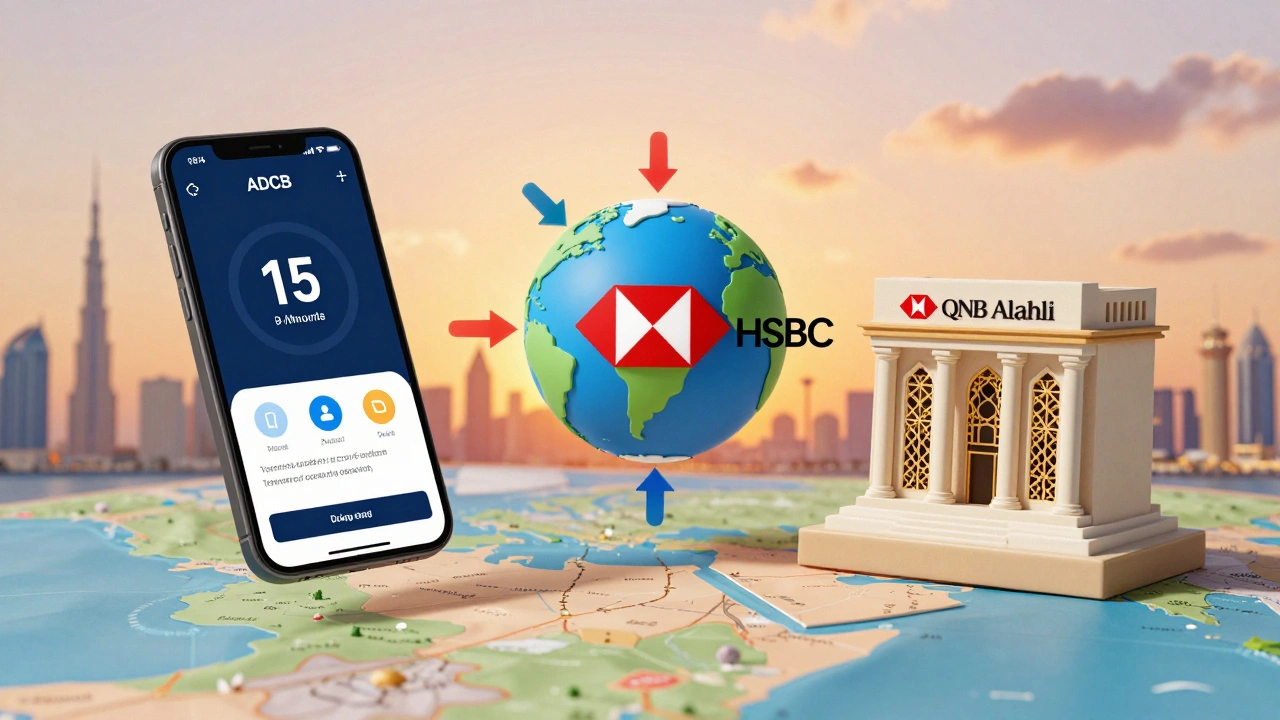
- Abu Dhabi Commercial Bank (ADCB) - Often overlooked, but one of the most user-friendly for digital banking. Their app is clean, fast, and lets you open an account in under 15 minutes online. Great for freelancers and remote workers.
- National Bank of Dubai (NBD) - now part of Emirates NBD - Still mentioned because older expats remember it. Don’t open a new account here unless you’re inheriting one. It’s been fully merged.
- RAKBANK - Smaller, but great for low-fee accounts. If you don’t need a lot of branches, RAKBANK gives you free transfers, no minimum balance, and decent exchange rates. Perfect for students and young professionals.
- Commercial Bank of Dubai (CBD) - Solid choice for small business owners. They offer business accounts with easy invoicing tools and merchant services. Their customer service reps actually answer calls.
- First Abu Dhabi Bank (FAB) - The UAE’s largest bank by assets. Strong in corporate banking, but their retail side is catching up. Good if you’re looking for premium services, wealth management, or a high-limit credit card.
- QNB Alahli - Qatar’s bank, but huge in Dubai. Popular with Arabic-speaking expats and those who want Sharia-compliant products. Their Islamic banking options are among the most transparent in the region.
- Bank of Baroda (UAE) - Not a local bank, but a favorite among Indian expats. They have branches in Deira and Bur Dubai, offer free remittances to India, and let you open accounts with just a passport and visa. If you send money home often, this is a game-changer.
What You Can Actually Do With These Banks
Let’s get practical. Here’s what matters day-to-day:
- Opening an account: Most banks require your passport, visa, Emirates ID, and a salary certificate. Some (like ADCB) let you start online with just a passport and visa. Others still make you show up in person.
- Getting paid: Your employer must set up a salary transfer to your account. Most banks in Dubai offer this for free. If your bank charges you for salary deposits, switch.
- Transferring money abroad: Use Wise (formerly TransferWise) or Revolut for the best rates. But if you must use your bank, stick with HSBC, Standard Chartered, or Bank of Baroda-they have direct corridors to major countries.
- Getting a credit card: Emirates NBD and FAB lead here. You can get a card with a AED 5,000 limit even on a AED 4,000 salary. Just don’t expect cashback on everything. Most cards here focus on travel miles or shopping discounts.
- ATM access: Emirates NBD, ADCB, and FAB have the most ATMs. If you’re in a remote area like Jebel Ali or Ras Al Khaimah, check the bank’s app before you go.
How to Pick the Right One for You
Ask yourself these three questions:
- Where do you get paid? If you’re on a corporate salary, your employer likely partners with Emirates NBD or HSBC. Stick with them to avoid fees.
- Where do you send money? Sending to India? Bank of Baroda. To the US? HSBC or Standard Chartered. To the Philippines? RAKBANK has good deals.
- How tech-savvy are you? If you hate going to branches, go with ADCB or RAKBANK. If you want face-to-face help, Emirates NBD has the most staff.
Pro tip: Don’t open more than one account unless you have a clear reason. Multiple accounts mean more fees, more passwords, more confusion.
What Banks to Avoid in Dubai
Not all banks are created equal. Here are the ones people complain about most:
- Smaller local banks with no international reach - They’ll charge you AED 50 to send $100 overseas. Their ATMs are scarce. Their apps crash.
- Banks that require AED 10,000 minimum balance - If you’re not rich, this is a trap. You’ll pay AED 100/month just to keep the account open.
- Banks that don’t offer online banking in English - If your app is only in Arabic, you’re setting yourself up for frustration.
Comparison: Emirates NBD vs. ADCB vs. HSBC
| Feature | Emirates NBD | ADCB | HSBC UAE |
|---|---|---|---|
| Account opening time | 3-5 days | 1-2 days (online) | 5-7 days |
| ATM network size | Best in UAE | Very good | Good (limited outside Dubai) |
| International transfers | AED 25-50 per transfer | AED 20-40 | AED 15-30 (better rates) |
| Mobile app rating | 4.7/5 | 4.8/5 | 4.5/5 |
| Best for | Families, salaried workers | Freelancers, digital users | Expats with global accounts |
Frequently Asked Questions
Can I open a bank account in Dubai without a job?
Yes, but it’s harder. You’ll need proof of income-like rental income, freelance contracts, or a minimum deposit of AED 50,000. Some banks like ADCB and RAKBANK allow this if you’re a resident with a valid visa. Others won’t touch you without a salary slip.
Do Dubai banks offer Sharia-compliant accounts?
Yes. All major banks offer Islamic banking options. Emirates NBD’s ‘Islamic Banking’ division, QNB Alahli, and FAB’s ‘Al Islami’ services are popular. These accounts don’t pay interest-they offer profit-sharing instead. They’re fully legal and widely used by locals and expats who prefer them.
Which bank has the lowest fees for expats?
RAKBANK and ADCB lead here. RAKBANK has no monthly fees if you maintain a AED 3,000 balance. ADCB charges no fees for salary transfers or online transfers within the UAE. HSBC and Emirates NBD have more fees but offer more services. Pick based on what you use, not just the price.
Can I use my home country’s bank in Dubai?
Not really. Most international banks don’t let you use their accounts for daily spending in Dubai. You’ll pay high ATM fees and bad exchange rates. You need a local account to pay rent, utilities, and get paid. Your home bank can help with transfers, but not day-to-day life.
Is my money safe in Dubai banks?
Yes. The UAE Central Bank protects deposits up to AED 1 million per person per bank. All licensed banks here follow strict rules. You’re safer here than in many Western countries. Just avoid unlicensed lenders or fintech apps that aren’t regulated.
What to Do Next
Don’t wait until your card gets declined again. Pick one bank from the list above based on your needs. Open an account. Link your salary. Download the app. Set up a transfer to your home country. Do it this week.
Once you’re set up, you’ll wonder why you waited so long. Banking in Dubai isn’t complicated. It just takes knowing who to trust. And now, you do.