
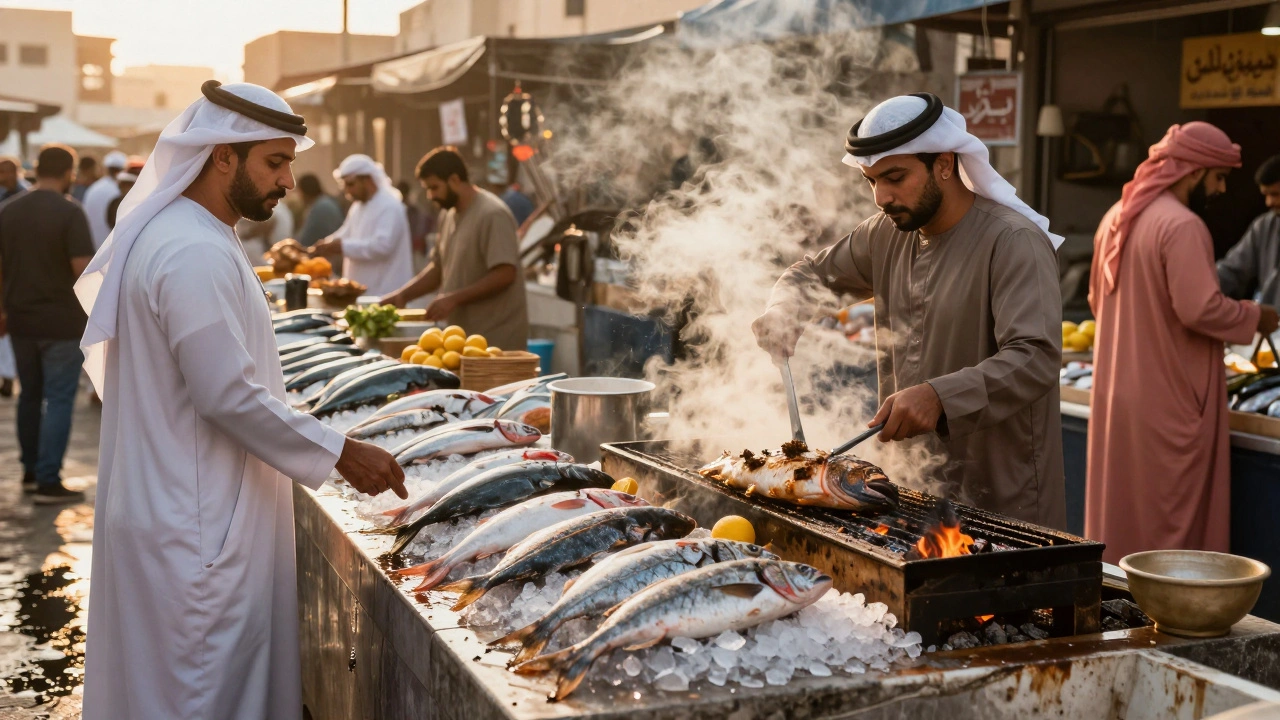
You’ve seen the skyscrapers, the desert safaris, the luxury malls. But if you really want to know Dubai, you need to eat like a local. This isn’t just about fancy fine dining (though there’s plenty of that). It’s about the flavors that have shaped this city for generations - the spices, the slow-cooked meats, the sweet, sticky desserts that still get passed down in family kitchens. Forget what you think you know about Middle Eastern food. Dubai’s cuisine is its own beast - a bold, layered blend of Bedouin roots, Persian influence, Indian spices, and coastal seafood traditions. And yes, it’s all delicious.
What You’ll Find on a Dubai Plate
Dubai doesn’t have one single dish that defines it. Instead, it has a handful of foods that show up everywhere - from humble roadside stalls to five-star hotel buffets. If you only try three things here, make them these:
- Shawarma - Not the greasy version you get back home. Dubai’s shawarma is stacked high with thinly sliced lamb or chicken, roasted on a vertical spit, then wrapped in warm pita with garlic sauce, pickles, and fresh parsley. The best ones? They’ll be cooking it fresh while you wait.
- Khameer - A traditional Emirati flatbread, slightly sweet and chewy, often served with honey or camel milk butter. You’ll find it in the old souks of Al Fahidi, still baked in clay ovens.
- Camel Meat Biryani - Yes, camel. It’s leaner than beef, rich in flavor, and slow-cooked with saffron, cardamom, and dried limes. Don’t knock it till you’ve tried it.
Why Dubai’s Food Culture Is Unique
Dubai’s population is over 80% expat - people from over 200 countries. That means you’ll find every kind of food here. But the real magic? The way local Emirati dishes have absorbed influences without losing their soul. A Emirati woman might cook her grandmother’s Harees (wheat and meat porridge) for breakfast, then grab a Vietnamese pho for lunch. And that’s normal.
This isn’t fusion food trying to be trendy. It’s survival. Centuries ago, Bedouins in the desert ate what they could - dates, goat, barley, dried fish. Now, those same ingredients are being reinvented with modern techniques. Take Luqaimat, for example. These little fried dough balls, drizzled with date syrup, have been around since the 1800s. Today, you’ll find them dusted with crushed pistachios and served with vanilla ice cream at rooftop cafes.
The Top 5 Famous Dubai Dishes (And Where to Find Them)
Let’s cut through the noise. Not every restaurant serves real Emirati food. Here are the five dishes you absolutely need to try - and exactly where to go for the best version.
- Al Harees - A slow-cooked mix of wheat and meat, often served during Ramadan. Al Fanar Restaurant in Deira makes the most authentic version - thick, creamy, and served with a side of laban.
- Machboos - The national dish of the UAE. Rice, spiced with black lime and cardamom, topped with chicken or lamb. Al Ustad Special Kebab in Bur Dubai has been serving it since 1978. The secret? They roast the meat over charcoal for 12 hours.
- Balaleet - Sweet vermicelli noodles with eggs, saffron, and cardamom. Often eaten for breakfast. Head to Al Maya Restaurant in Jumeirah. They serve it with a side of camel milk.
- Stuffed Camel (for special occasions) - Yes, really. A whole camel, stuffed with lamb, rice, and dried fruits. It’s not on menus - but you can order it for events. Al Maha Desert Resort offers it for private dinners.
- Luqaimat - These golden fried dumplings are everywhere. But the best? Al Adil Bakery in Satwa. They make them fresh every 20 minutes and drizzle them with date syrup while they’re still hot.
Street Food You Can’t Skip
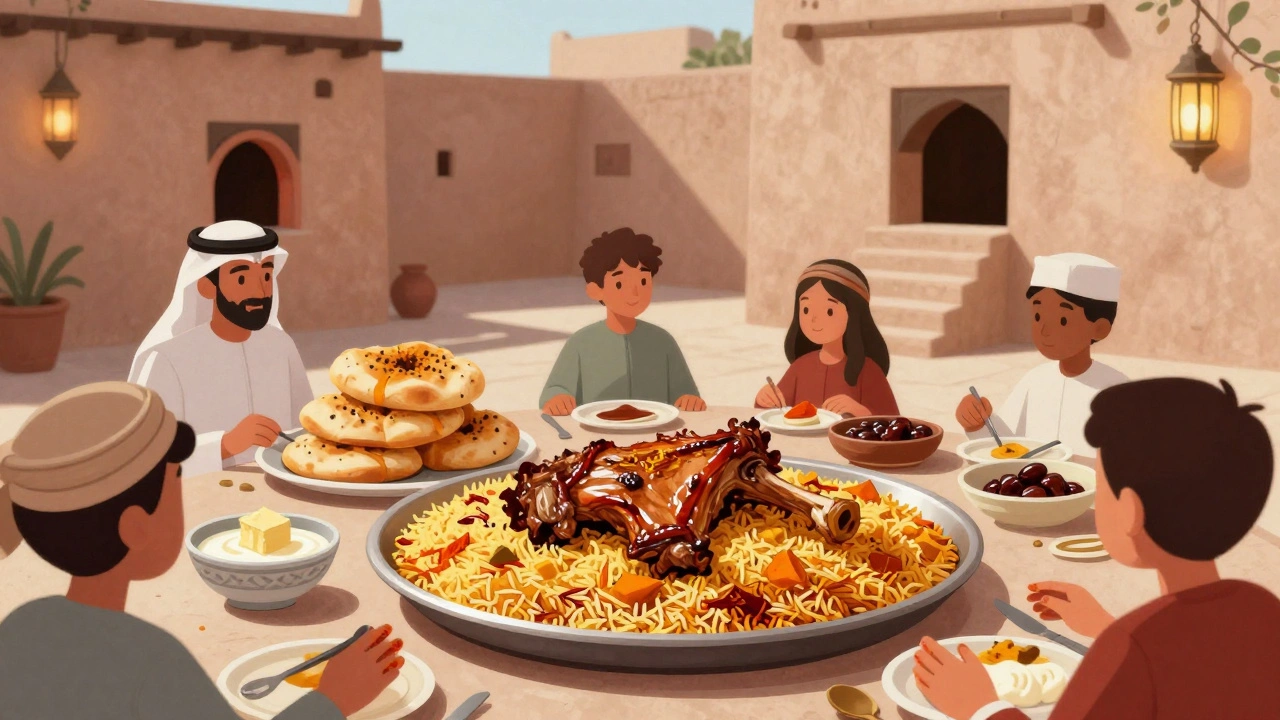
Dubai’s street food scene isn’t just about shawarma. The real gems are hidden in alleyways and behind unmarked doors.
- Al Samak Al Taim - Grilled fish marinated in lime, chili, and cumin. Best found at the fish market in Deira. You pick your fish, they grill it right there, and serve it with rice and lemon.
- Khubz Um Ali - A bread pudding made with flatbread, milk, nuts, and cardamom. Think of it as Middle Eastern bread pudding. Try it at Al Jazirah Restaurant in Karama.
- Camel Milk Ice Cream - Creamier than cow’s milk, with a subtle tang. You’ll find it at Camelicious in City Walk. Flavors include saffron, dates, and even rose.
What to Avoid (And What to Expect)
Not every place labeled "Emirati" serves real food. Watch out for:
- Restaurants that call "Arabic food" anything with hummus and tabbouleh. That’s Levantine - not Emirati.
- "Dubai-style" shawarma that uses chicken breast and pre-made sauce. Real shawarma uses dark meat, slow-roasted.
- Buffets that offer "traditional dishes" but serve them cold. Emirati food is meant to be hot, fresh, and fragrant.
What you will find? Generous portions. Meals are meant to be shared. Spices are bold but balanced. And the service? Always warm. You’ll be offered tea - even if you didn’t ask.
Where to Eat Like a Local (Without the Tourist Price Tag)
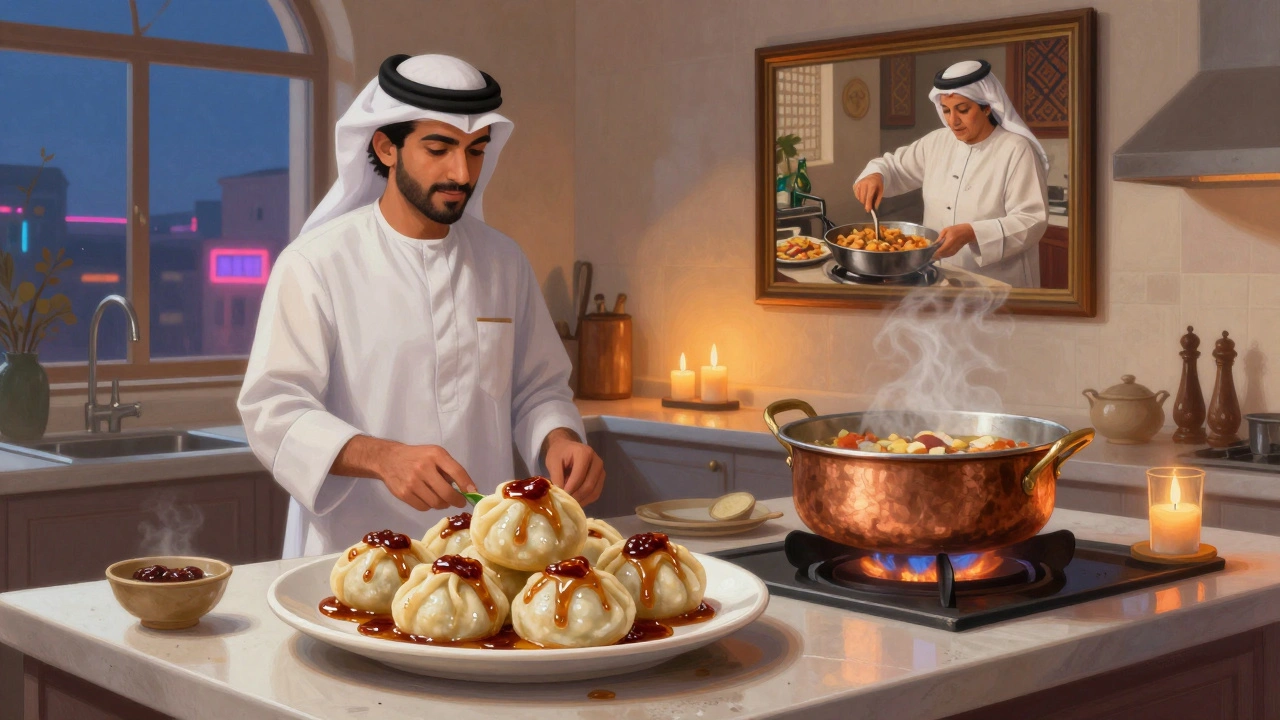
You don’t need to spend $200 for a meal. Some of the best food in Dubai costs less than $10.
- Satwa - The unofficial foodie hub. Street stalls, Lebanese bakeries, and Emirati homes that serve meals to the public.
- Al Fahidi Historical Neighborhood - Where you’ll find old-school bakeries and tea houses serving khameer with camel butter.
- Deira Fish Market - Come before noon. Grab a seat, pick your fish, and eat it right there.
- Karama - A neighborhood where Pakistani, Indian, and Emirati flavors blend. Try the biryani at Al Harees House.
How Dubai’s Food Is Changing
Dubai’s culinary scene is evolving fast. Young chefs are reimagining heritage dishes. One restaurant in Al Quoz now serves Machboos with truffle oil and pickled dates. Another turns Luqaimat into vegan bites using coconut milk.
But here’s the truth: The soul of Dubai’s food hasn’t changed. It’s still about family, hospitality, and patience. A dish like Harees takes six hours to cook. No one rushes it. And that’s why it tastes so good.
What’s Next? Don’t Just Eat - Explore
If you’re serious about Dubai’s food, don’t just eat. Learn. Take a cooking class at Al Mahara in Jumeirah. Join a food tour in the old souks. Talk to the vendors. Ask them what their grandmother used to cook.
Dubai’s food isn’t just about what’s on the plate. It’s about who made it, why they made it, and how long they’ve been making it. And that? That’s the real flavor.
What is the most famous food in Dubai?
The most famous food in Dubai is Machboos - a spiced rice dish with lamb or chicken, often considered the national dish. But shawarma, khameer, and luqaimat are just as iconic in daily life. Machboos shows up at weddings, holidays, and family dinners. It’s the dish that connects generations.
Is camel meat commonly eaten in Dubai?
Yes - and it’s not a novelty. Camel meat is lean, rich in iron, and has been part of Emirati diets for centuries. You’ll find it in biryanis, stews, and even as grilled kebabs. It’s not on every menu, but if you ask for it at a traditional restaurant like Al Ustad or Al Fanar, they’ll prepare it for you. Many locals say it tastes like a cross between beef and venison.
Where can I find authentic Emirati food in Dubai?
Skip the malls. Head to Deira, Satwa, Karama, or Al Fahidi. Restaurants like Al Fanar, Al Ustad Special Kebab, and Al Maya serve food passed down through generations. Look for places with handwritten menus, no English translations, and locals eating at the back tables. That’s your sign.
Are there vegetarian Emirati dishes?
Absolutely. While meat is common, traditional Emirati meals often start with Harees (wheat and lentils), Khubz Um Ali (bread pudding), or Khameer bread with honey. Many families serve a platter of dates, laban (yogurt drink), and pickled vegetables as a starter. You can easily eat well without meat - just ask for "no meat, please" and they’ll adjust.
What’s the best time to try Dubai street food?
Late afternoon to early evening - around 4 PM to 8 PM. That’s when the heat drops, the stalls light up, and the fresh batches come out. Don’t go at noon. The food is cooked fresh, not pre-made. And if you go too early, you’ll miss the best stuff - like the first batch of luqaimat.



Kelsey Stratton
February 21, 2026 AT 10:00Dubai food is wild because it's not just one thing. You got camel meat, shawarma that actually tastes like it was cooked by someone who cares, and sweet little luqaimat that make you forget you're in a city with skyscrapers. It's like someone took the desert, the sea, and a bunch of immigrant kitchens and threw them in a pot. And it worked.
Also, no one talks about how the tea is always free. Like, you walk in, sit down, and boom - hot tea appears. No one asks why. You just accept it. That's hospitality.
prajesh varma
February 22, 2026 AT 11:46LMAO this post is cute but you missed the real truth - Dubai’s food isn’t about tradition, it’s about survival. People from 200 countries live here, so the only way to not starve is to steal, blend, and reinvent. My aunt from Kerala cooks machboos with curry leaves and coconut oil now. My cousin from Lebanon makes khameer with whole wheat and honeycomb. This isn’t fusion - it’s evolution. And honestly? It’s better than your grandma’s version.
Also, camel meat? Tastes like beef that’s been kissed by the desert wind. Try it. You’ll thank me later.
Andre Estrela
February 23, 2026 AT 10:33OMG YES‼️‼️ I went to Al Adil Bakery at 6am and the lady handed me a warm luqaimat like it was a sacred relic 😭🔥🔥🔥
Then I cried because it had date syrup AND crushed pistachios AND I didn’t even know I needed this in my life until that moment 🥲🫶
Also the camel milk ice cream? Saffron flavor? I’m not coming back to America. I’m moving to Satwa. Period. 🌴🍦
Sean Marcus
February 24, 2026 AT 22:21Yeah right, 'authentic Emirati food' - sounds like a marketing ploy. You think people in Dubai actually eat this stuff daily? Nah. Most locals are eating pizza, sushi, or McDonald's like the rest of us.
And camel meat? Bro, that’s just a gimmick for tourists. You think a Bedouin family is roasting camel every Friday? Nah. They’re probably eating chicken nuggets and scrolling TikTok.
Stop romanticizing the desert. Real Dubai is 7-Eleven and Uber Eats.
lady october
February 26, 2026 AT 05:03Okay, but who’s really behind all this? The government? Big oil? Are we being sold a curated version of Emirati culture to make tourists feel like they’re 'experiencing authenticity' while the real locals get priced out of their own neighborhoods?
I’ve seen the videos - the old souks are now Instagram backdrops. The bakeries? Owned by foreign investors. The 'family recipes'? Patented. This isn’t food. It’s cultural tourism capitalism.
And don’t get me started on camel milk ice cream. You know what else is creamy and tangy? Goat milk. But no one’s selling goat milk ice cream. Why? Because camels are exotic. And exotic sells.
Just sayin’. Someone’s making bank off our nostalgia.
Enuma Eris
February 26, 2026 AT 08:41Respect to the writer - you didn’t just list dishes, you told stories. That’s rare.
I’m from Lagos, and I’ve eaten my way through 15 countries. Dubai’s food is the only place where I felt like every bite had history. Not just spice. Not just technique. But time. Someone’s grandmother stirred that harees for six hours. Someone’s uncle roasted that fish over charcoal because his father taught him how.
That’s not fusion. That’s love.
And yeah, I ate the camel biryani. Tasted like home. And also like nowhere else. Perfect.