The View That Defines Dubai
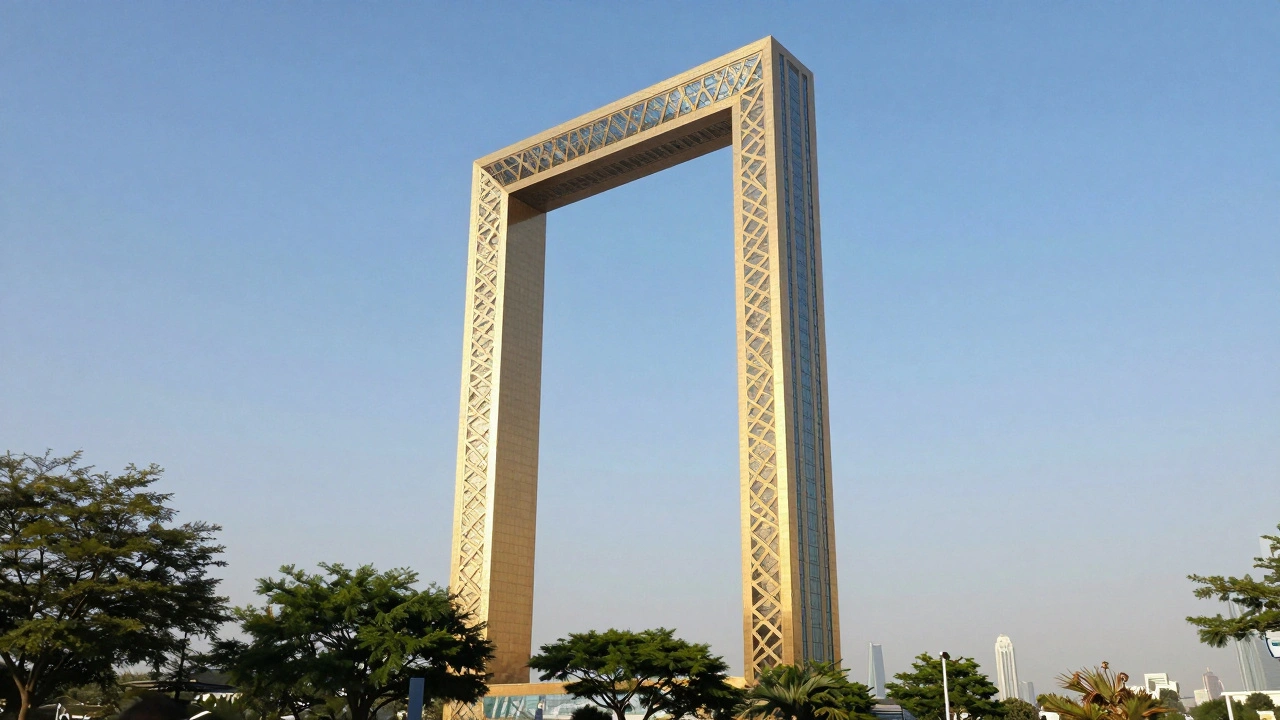
Imagine standing on a golden bridge high above the ground, looking out two different ways. On one side, you see the narrow streets of a city from a lifetime ago. On the other, modern skyscrapers pierce the clouds. This isn't science fiction; it is the Dubai Frame, and it offers a perspective few other landmarks can match. Standing at 150 meters tall, this massive rectangular structure sits right in the heart of the city, bridging the gap between history and the future.
You might ask yourself why a building shaped like a picture frame matters so much. It isn't just about the photo op. It represents how the capital of innovation chose to document its own transformation. When visitors walk through the golden hallways, they aren't just climbing stairs; they are stepping through a timeline. This guide breaks down everything you need to know about experiencing this architectural marvel, from booking your tickets to finding the best vantage point inside the park.
What Is the Dubai Frame?
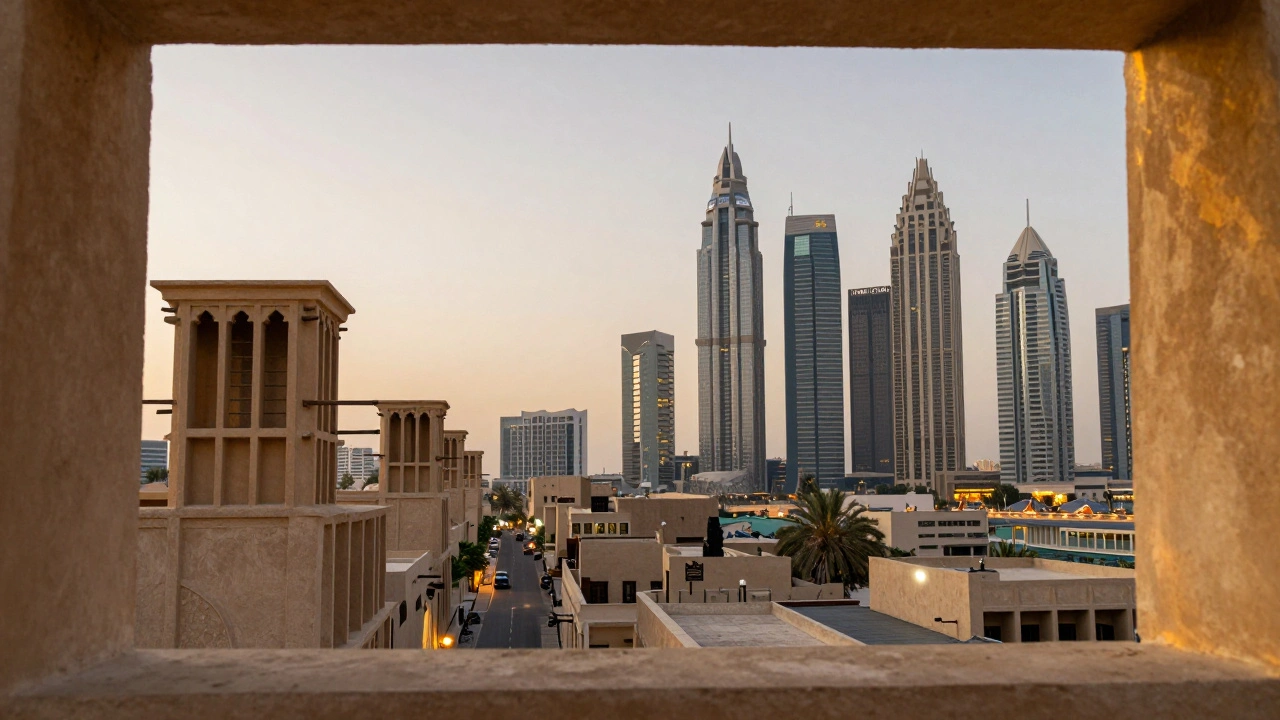
Think of the Dubai Frame as a giant camera shutter frozen in bronze. It was inaugurated in late 2018 to mark the 50th anniversary of the United Arab Emirates' founding. The concept behind it is simple yet profound. The architects designed it specifically to align perfectly so that the eastern window shows the historic districts of Deira and Bur Dubai. The western window frames the modern developments of Downtown Dubai and the Business Bay area.
It belongs to the category of landmark attractions, similar to the Sydney Opera House or the Eiffel Tower, but with a unique educational twist. The structure consists of three main parts. First, there is the base level which houses the Heritage Museum. Second, the connecting sky bridge at the top holds the viewing deck. Finally, the entire monument stands within the green expanse of Zabeel Park, providing a nature buffer around the concrete jungle.
Officially known as the Dubai Frame, it serves multiple purposes. For tourists, it is a viewing gallery. For locals, it is a community hub. For historians, it is a physical representation of urban planning theory. Unlike many observation decks that only offer a 360-degree spin, this place forces you to confront the contrast. You cannot escape the visual narrative that the city presents when you stand on that glass floor.
Inside the Golden Bridge Experience
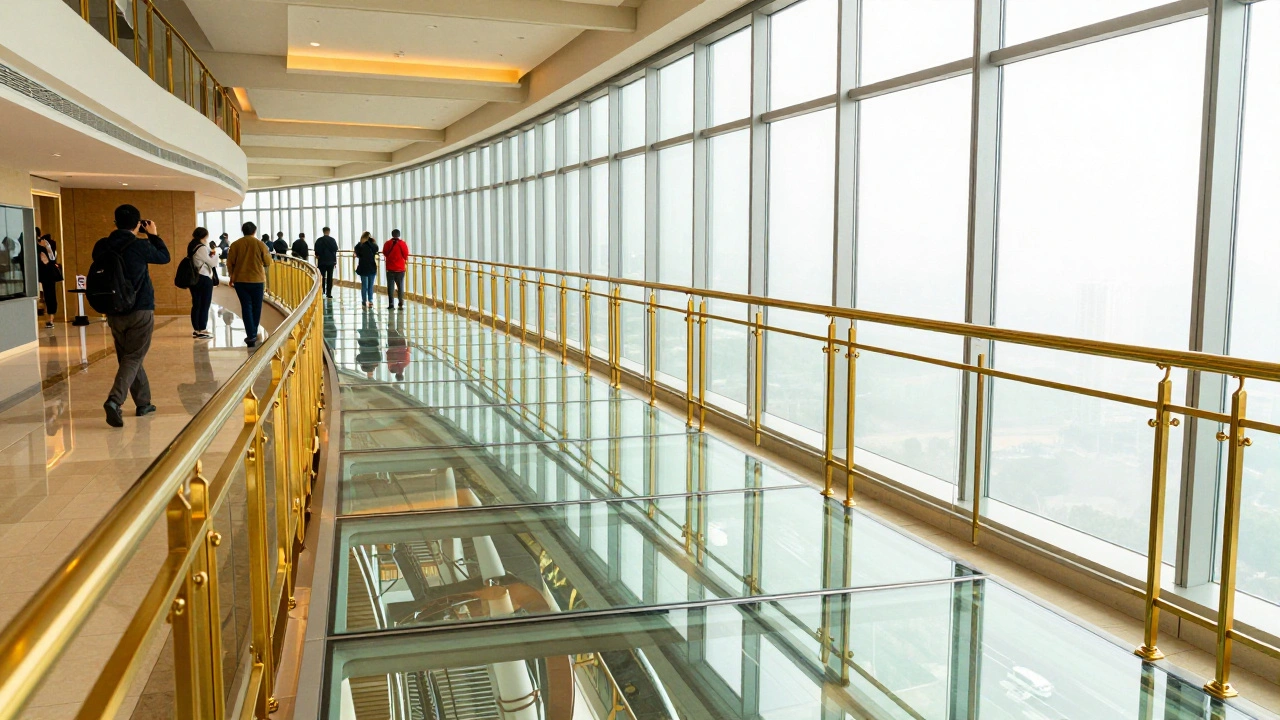
Once you ascend to the top, the experience shifts from walking to floating. The bridge is lined with glass walls on both sides. Walking across the middle feels like hovering over the traffic below. Underfoot, the glass floor allows you to look straight down to the ground, creating a sensation of vertigo that is both thrilling and controlled. The railings are gold-plated, giving the interior a royal feel distinct from the sterile white often found in corporate buildings.
The panoramic windows extend beyond the glass floor. You can lean out slightly, protected by thick bulletproof material, to capture images without reflections interfering. Many visitors bring their best cameras here because the light hits the structure differently at every hour. During sunset, the gold turns a deeper red, reflecting off the water of the Creek on one side and the polished towers of the financial district on the other.
This section also features augmented reality displays integrated into the railing system. While optional, these screens provide historical context for the buildings you see below. If you point your device or look through a specific lens, you might see how the skyline looked ten years ago versus today. It turns the passive act of sightseeing into an interactive lesson on development.
Exploring the Heritage Museum
Before heading up to the skybridge, you encounter the museum at the foot of the frame. This area tells the story of life before the skyscrapers took over. Exhibits include traditional clothing, tools used in pearling and fishing, and photographs of life along the Creek. It provides necessary grounding. Seeing the dune buggies and the early vehicles helps you appreciate the engineering feat happening just outside the windows.
The layout is chronological, moving from pre-oil discovery days to the modern era. Audio guides are available in multiple languages, making it accessible for international travelers. The lighting is dimmed here to preserve artifacts, offering a quiet contrast to the bright, open space of the upper levels. Parents often find this part engaging for children as well, with tactile exhibits explaining how desert survival worked historically.
One standout feature includes a diorama of old Dubai. It reconstructs the souks and wind-tower homes. These models help visitors visualize the scale of change. When you leave the museum and step onto the elevator to go up, the shift is dramatic. The juxtaposition is intentional. You are meant to compare the dirt paths of the past with the steel roads of the present immediately after leaving the exhibit.
Location and Getting Around
Navigating to the site requires knowing exactly where to stop. It sits adjacent to Zabeel Park, specifically near the intersection of Zabeel Road and Al Khail Street. Public transport makes this easy for budget-conscious travelers. The Dubai Metro has a station nearby called Nadd Al Sheba. From there, it is a short walk through the park gates to reach the entrance.
Taxi drivers know the spot well, though during peak tourist season, congestion around the drop-off zone can be heavy. If you drive yourself, parking is available directly next to the structure. The parking area is underground, which keeps the surrounding gardens open for pedestrians. Valet services are sometimes offered depending on the crowd size, ensuring your vehicle is secure while you explore.
For those arriving from downtown hotels, the distance is manageable. Ride-sharing apps connect easily to the official drop-off points. The signage is clear, marking the entrance with large arrows painted on the road surface. Once inside the park perimeter, pathways are wide enough for strollers and wheelchairs, maintaining accessibility standards throughout the approach.
Cost and Booking Details
Pricing varies based on the package you select. Standard entry covers access to the heritage museum and the skybridge view. Premium tickets might include a guided tour or skip-the-line privileges. Prices generally stay consistent year-round, though seasonal discounts occasionally pop up during colder months or national holidays.
| Ticket Type | Estimated Price | Includes |
|---|---|---|
| Adult General Entry | AED 50 - 60 | Museum + Sky Deck |
| Child (3-12 Years) | AED 30 - 40 | Museum + Sky Deck |
| VIP Guided Tour | AED 100+ | Priority Access + Guide |
| Senior Citizen | AED 35 - 45 | Standard Access |
Online booking saves time and guarantees entry during specific slots. Walk-ins are accepted, but queues can stretch significantly on weekends or public holidays. Buying your pass in advance ensures you get a prime viewing time, especially for sunset slots. The website usually updates availability daily, so checking morning of the day is recommended.
Best Time to Visit for Photos
Timing determines your photography quality. Early mornings offer cooler temperatures and softer light, perfect for capturing the greenery of Zabeel Park alongside the structure. However, the true magic happens during the "Golden Hour". This occurs roughly thirty minutes before sunset. The sun strikes the golden cladding of the frame, turning it brilliant yellow against the blue sky.
Winter months (November to March) provide the most comfortable weather for outdoor exploration. Summer days are scorching, making the queue lines unbearable without air conditioning. The indoor sections remain climate-controlled regardless of outside heat. Nighttime visits reveal a different perspective. The city lights up below, and the frame itself illuminates, glowing against the dark canvas of the evening sky.
Frequently Asked Questions
Is the Dubai Frame wheelchair accessible?
Yes, the facility is fully accessible. There are dedicated elevators to the top floor and ramps for the museum areas. Staff are trained to assist visitors with mobility requirements upon arrival.
Can I bring my own camera equipment?
Absolutely. Personal cameras are allowed. Professional tripod setups might require special permission or a fee due to the fragility of the glass floor areas, so check ahead if bringing bulky gear.
Are there food options inside?
There are cafes located near the exit of the museum and on the ground level of the frame complex. Vending machines are available, but for full meals, restaurants inside Zabeel Park nearby are a better option.
How long does the visit take?
Most visitors spend about 1.5 to 2 hours exploring the museum, taking photos on the bridge, and resting in the garden areas before exiting.
Do I need a reservation?
While not mandatory, reservations are highly recommended. They prevent waiting in long ticket queues and ensure you can enter during the specific hour slot you prefer for the best lighting conditions.
Comparing the Frame to the Burj Khalifa
Many tourists debate which tower to prioritize. Both offer views, but the experience differs vastly. The Burj Khalifa is about verticality and height. It takes you higher than anything else on Earth. The Dubai Frame offers horizontal context. It connects two eras visually rather than just showing one angle from extreme altitude.
If you want the highest point, head to the Burj Khalifa. If you want to understand the history and geography of the city's growth, choose the Frame. Budget-wise, the Frame is generally more affordable. It feels less like a commercial mall and more like a cultural institution. You get fewer crowds too, allowing for a more relaxed pace compared to the bustling observation decks further south.
Safety Tips for Your Visit
Safety protocols are strictly enforced given the structural nature of the attraction. Glass floors can slip, especially if shoes are smooth-soled. Wear rubber soles to ensure traction. Handrails are sturdy, and staff monitor the glass areas closely to prevent overcrowding. Keep bags zipped and close to your body. Although security checks happen at the entrance, staying aware of your belongings is always wise in crowded spaces.
Stay hydrated, especially if visiting in warmer months. The climb can be tiring despite the elevator. Water stations are usually available near the museum entrance. Respect the designated pathways. Climbing on barriers or leaning too hard against the glass walls creates unnecessary stress on the materials and may result in fines.
Planning ahead ensures a smooth trip. Whether you are a first-time traveler or a return visitor, understanding the significance of the Dubai Frame enriches the journey. It isn't just a building to pass through; it is a symbol of ambition realized. Take your time to read the plaques, look through the windows, and imagine the journey the city has traveled to reach this point.