
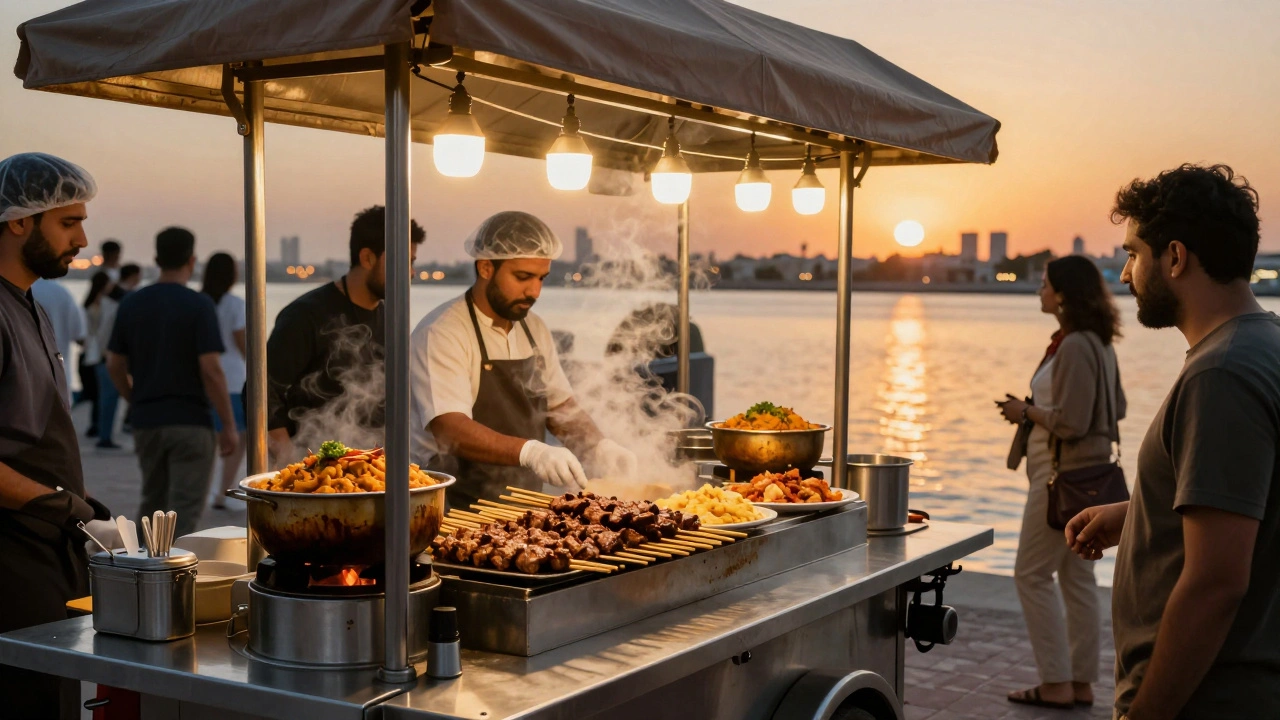
You’re walking down Al Seef at sunset, the breeze off the creek carrying the smell of sizzling meat, spicy chai, and fried dough. A cart glows under string lights, steam rising from a pot of kabsa, a vendor smiles and offers you a skewer. You reach for your wallet-then pause. Is street food legal in Dubai? The answer isn’t a simple yes or no. It’s layered, controlled, and surprisingly well-organized-if you know where to look.
Short Answer: Yes, But Only in Designated Areas
Street food in Dubai isn’t the wild, unregulated scene you might find in Bangkok or Mexico City. You won’t find random food trucks parked on Sheikh Zayed Road. But you can legally buy delicious, fresh street food-if you stick to approved zones. The Dubai Municipality runs a strict licensing system. Vendors must pass health inspections, carry permits, and operate only in zones approved for food stalls. These include places like Al Seef, Dubai Festival City, Jumeirah Beach Residence (JBR), and the Dubai Food Festival pop-ups. Outside these areas? Illegal. And enforcement is real.
How Street Food Works in Dubai: The System Behind the Smells
Dubai doesn’t just allow street food-it curates it. The city treats food vendors like part of its tourism infrastructure. Every vendor needs a license from Dubai Municipality’s Food Safety Department. That means they’re inspected for hygiene, storage, equipment, and even the type of oil they use. Vendors can’t just show up with a grill and start selling shawarma. They apply, pay fees, get trained, and are assigned a spot. Some are permanent stalls in food markets. Others are mobile carts that move only between approved locations on set days.
Think of it like a farmers’ market, but with shawarma and kunafa. The city wants to control cleanliness, reduce litter, and prevent health risks. It also wants to make sure street food adds to Dubai’s image-not hurts it. That’s why you’ll see stainless steel counters, covered serving areas, and staff in gloves and hairnets. Even the carts have to be clean enough to pass a hospital inspection.
Where You Can Legally Eat Street Food in Dubai
Here’s where to find the real street food experience without breaking any rules:
- Al Seef: This restored heritage area along the Dubai Creek has dozens of licensed food stalls. Try the Arabic coffee with dates, balaleet (sweet vermicelli), or grilled fish straight off the boat.
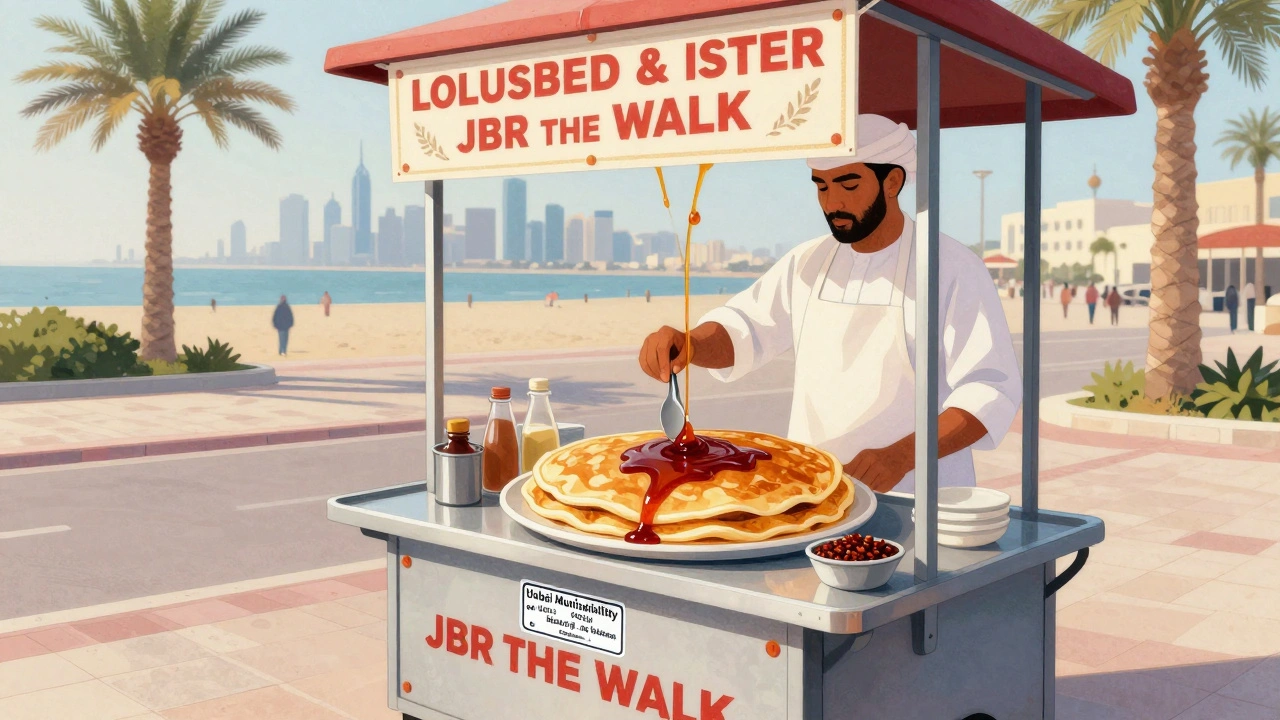
- JBR The Walk: The beachside promenade has food kiosks that operate daily. Look for the Emirati pancake cart-thin, crispy, drizzled with date syrup. It’s a local favorite.
- Dubai Food Festival (annual): Held in February, this event turns parts of the city into a giant open-air food fair. Hundreds of licensed vendors serve everything from Filipino adobo to Emirati harees.
- Dubai Design District (d3): Weekend pop-ups feature artisanal street food from regional chefs. Think lamb kofta wraps with pomegranate molasses or vegan falafel bowls.
- Deira Clocktower Area: Near the old gold souk, you’ll find licensed carts serving chai, falafel, and grilled corn. It’s cheap, authentic, and bustling after sunset.
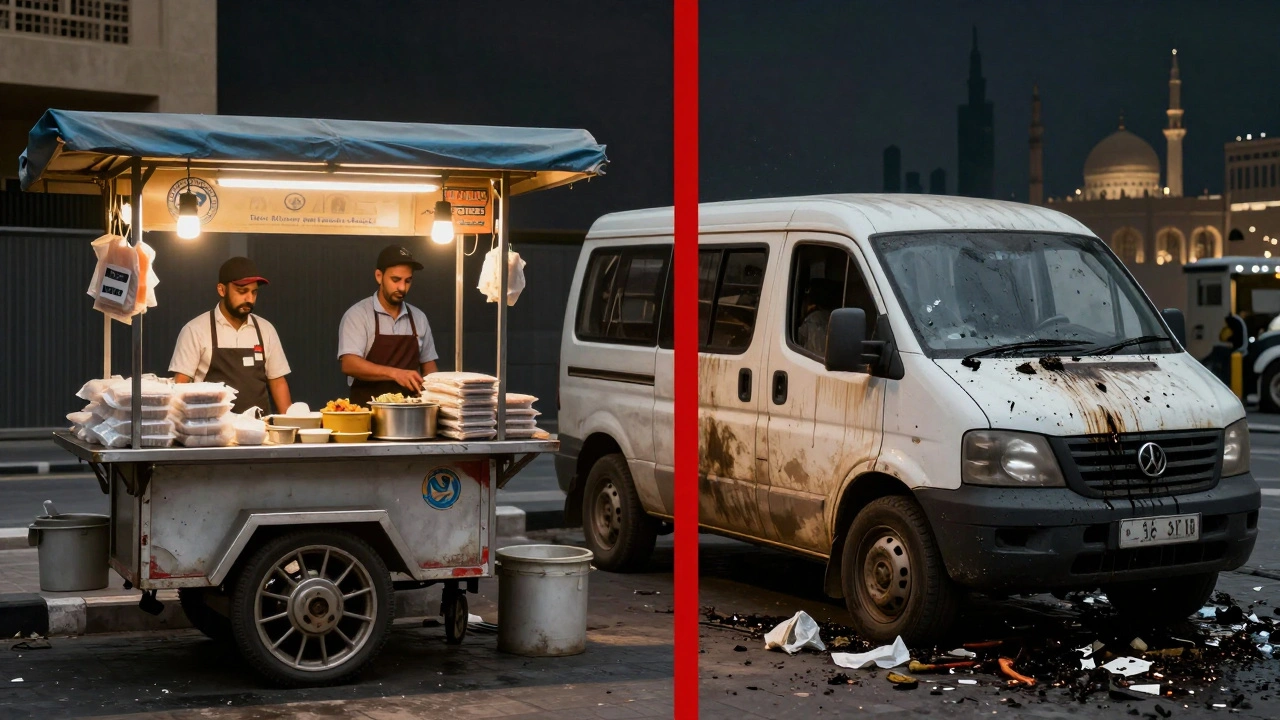
These spots aren’t random. They’re chosen by the city for high foot traffic, easy waste management, and tourist accessibility. If you’re eating somewhere that looks like a random van parked on a sidewalk near a mosque or residential area? That’s illegal-and risky.
What Happens If You Eat Illegal Street Food?
You probably won’t get arrested. But here’s the catch: if you get sick from food sold without a permit, you have no recourse. No health inspection record means no way to trace the source. Dubai’s public health system is excellent, but food poisoning from unlicensed vendors can still land you in the hospital.
And for the vendors? They face fines up to AED 10,000, confiscation of equipment, and possible jail time for repeat offenses. The city takes this seriously. In 2024, over 200 unlicensed food carts were shut down in a single crackdown. They didn’t just remove the carts-they removed the people from the system entirely.
Why Dubai Controls Street Food So Strictly
Dubai isn’t trying to kill the street food culture. It’s trying to protect it. The city knows tourists come for the food. It also knows one bad experience-food poisoning from a dirty cart-can ruin its global reputation.
There’s also the issue of waste. Dubai generates over 12,000 tons of trash daily. Unregulated food vendors mean plastic containers, grease spills, and litter on sidewalks. Licensed vendors must use biodegradable packaging and have waste collection contracts. That’s why you’ll see bins labeled “Food Waste Only” near every stall.
Plus, the city wants to support local entrepreneurs. Licensing gives small vendors a fair shot. It’s not about stopping them-it’s about giving them structure. Many of the best street food sellers in Dubai started with a single cart, got licensed, and now run multi-location businesses.
Street Food vs. Food Trucks: What’s the Difference in Dubai?
There’s a big difference between a food cart and a food truck in Dubai-and it matters.
| Feature | Street Food Cart | Food Truck |
|---|---|---|
| Size | Small, push or pull cart | Full-sized vehicle with kitchen inside |
| Permit Required | Yes, from Dubai Municipality | Yes, plus vehicle registration |
| Operating Zones | Fixed locations: Al Seef, JBR, d3 | Movable, but only in approved event zones |
| Menu Complexity | Simple: 3-5 items max | Can offer full meals, multiple cuisines |
| Price Range | AED 5-20 | AED 15-40 |
| Best For | Quick snacks, local flavors | Full meals, gourmet street food |
Most people think “food truck” means American-style BBQ or taco trucks. In Dubai, those are rare. What you’ll find are carts with Emirati, Indian, Filipino, and Lebanese specialties. The real gourmet mobile kitchens are usually at festivals or private events.
What to Look For: How to Spot a Legal Vendor
You don’t need to be a food inspector to tell if a cart is legit. Here’s what to check:
- License sticker: Most vendors display a small, clear sticker with a code and the Dubai Municipality logo.
- Staff uniforms: Gloves, hairnets, and aprons aren’t optional. If they’re not wearing them, walk away.
- Clean surfaces: No visible grease buildup, no flies, no open trash nearby.
- Water access: Legit vendors have a clean water source for washing hands and utensils.
- Menu board: Legal vendors list prices clearly. No handwritten scraps on cardboard.
If you’re unsure, ask: “Is this stall licensed by Dubai Municipality?” Most will point to the sticker or show you their permit on their phone. They’re proud of it.
FAQ: Your Questions About Street Food in Dubai Answered
Can I bring my own food to eat on the street in Dubai?
Yes, you can eat your own food on public sidewalks or beaches. But you must take your trash with you. Dubai has strict littering laws, and fines for leaving food wrappers or plastic bags can be up to AED 1,000. Always carry a small bag for your waste.
Are halal street food vendors the only ones allowed in Dubai?
All food sold in Dubai must be halal-certified, even if it’s not Muslim cuisine. That includes Indian, Filipino, and Western street food. The Dubai Municipality requires all vendors to prove their meat and ingredients are halal. You’ll see halal certification stickers on every licensed stall. Non-halal food is only sold in licensed restaurants with separate kitchens, not on street carts.
Can tourists start a street food business in Dubai?
Yes, but it’s not easy. You need a local sponsor, a commercial license, a food safety certificate, and a physical location approved by the municipality. Many expats start small by applying for vendor spots during Dubai Food Festival or weekend markets. It’s a long process, but some have turned their carts into successful restaurants.
Is street food cheaper than restaurants in Dubai?
Absolutely. A full meal at a mid-range restaurant costs AED 50-100. At a licensed street cart, you can eat just as well for AED 15-25. Think grilled chicken with rice, a shawarma wrap, or a plate of kibbeh. You’re not sacrificing quality-you’re skipping the overhead.
Are there vegetarian or vegan street food options in Dubai?
Yes, and they’re growing fast. Look for stalls selling falafel, hummus wraps, roasted corn with chili, stuffed grape leaves, or vegan kunafa made with coconut milk. In d3 and JBR, many vendors now label vegan and vegetarian items clearly. Ask for “nabati” (plant-based) options.
Final Tip: Eat Smart, Eat Safe
Dubai’s street food scene is one of the most exciting parts of the city. It’s where you taste real culture-not the polished version sold in hotels. But it’s also one of the most controlled. Don’t risk your health or break the law by grabbing food from an unmarked cart. Stick to the licensed spots. They’re clean, affordable, and full of flavor. And if you’re ever unsure? Just follow the locals. They know where the best-and most legal-food is.





Jessica Buchanan-Carlin
February 3, 2026 AT 04:22Raven Ridinger
February 4, 2026 AT 11:19Timothy Chifamba
February 4, 2026 AT 12:41andre maimora
February 6, 2026 AT 10:25Delilah Friedler
February 7, 2026 AT 15:45Sloan Leggett
February 9, 2026 AT 13:31George Granados
February 10, 2026 AT 13:07