
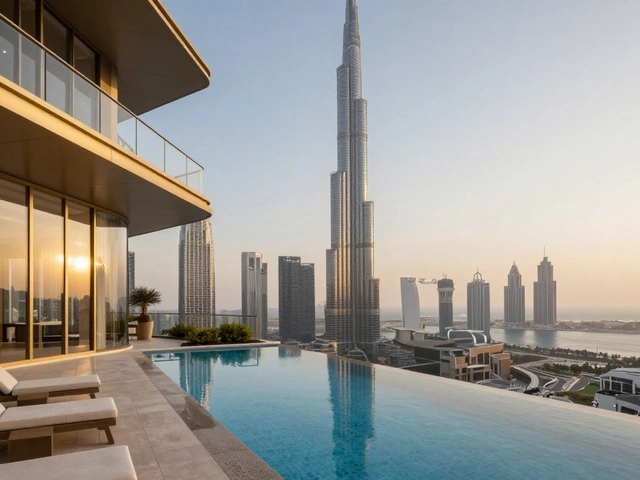
You’ve seen the photos-the Burj Khalifa piercing the sky, the Palm Jumeirah shaped like a palm tree from above, the desert glowing golden at sunset. But no picture captures what it’s really like to walk through Dubai’s streets and feel the pulse of the city. It’s not just about seeing landmarks. It’s about the smell of saffron and cardamom drifting from a street-side kiosk, the way the light hits the Dubai Fountain at dusk, or the quiet awe you feel standing inside a mosque that’s older than most countries. This isn’t a checklist. This is a love letter to the city that sneaks up on you.
It’s Not Just the Skyscrapers
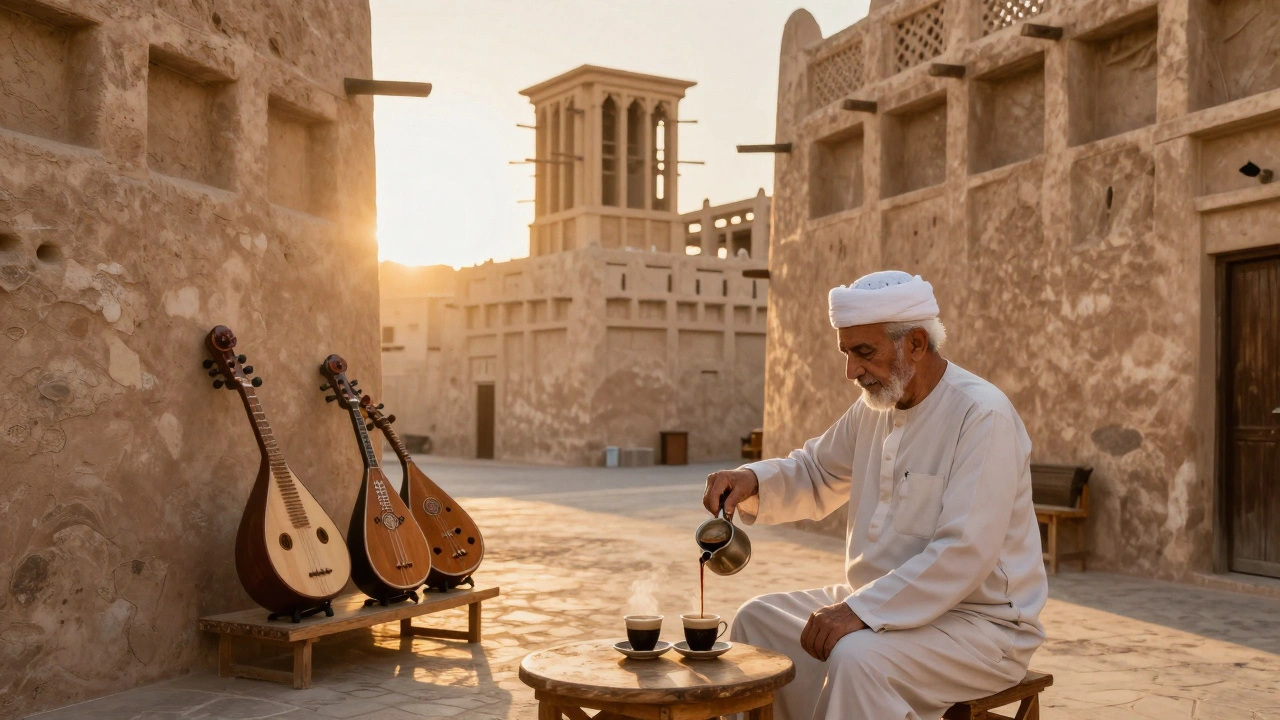
Most tourists head straight for the Burj Khalifa. And yeah, it’s stunning. But here’s the truth: the real magic of Dubai doesn’t live at the top of a tower. It lives in the narrow alleyways of Al Fahidi Historical Neighbourhood, where wind towers cool homes built over 150 years ago, and you can sip Arabic coffee while watching artisans carve wooden oud instruments. Or in the Dubai Frame, a giant golden picture frame that literally shows you the old city on one side and the modern skyline on the other. It’s not just a photo op-it’s a metaphor for the whole place.
People think Dubai is all glass and steel. But step into the Dubai Museum inside Al Fahidi Fort, and you’ll see how Bedouins lived here before oil. You’ll hear the sound of traditional dhow boats creaking in the water, smell the spices in the recreated souk, and realize this city didn’t just appear overnight. It grew. And that history? It’s still breathing.
The Desert Isn’t Just Sand
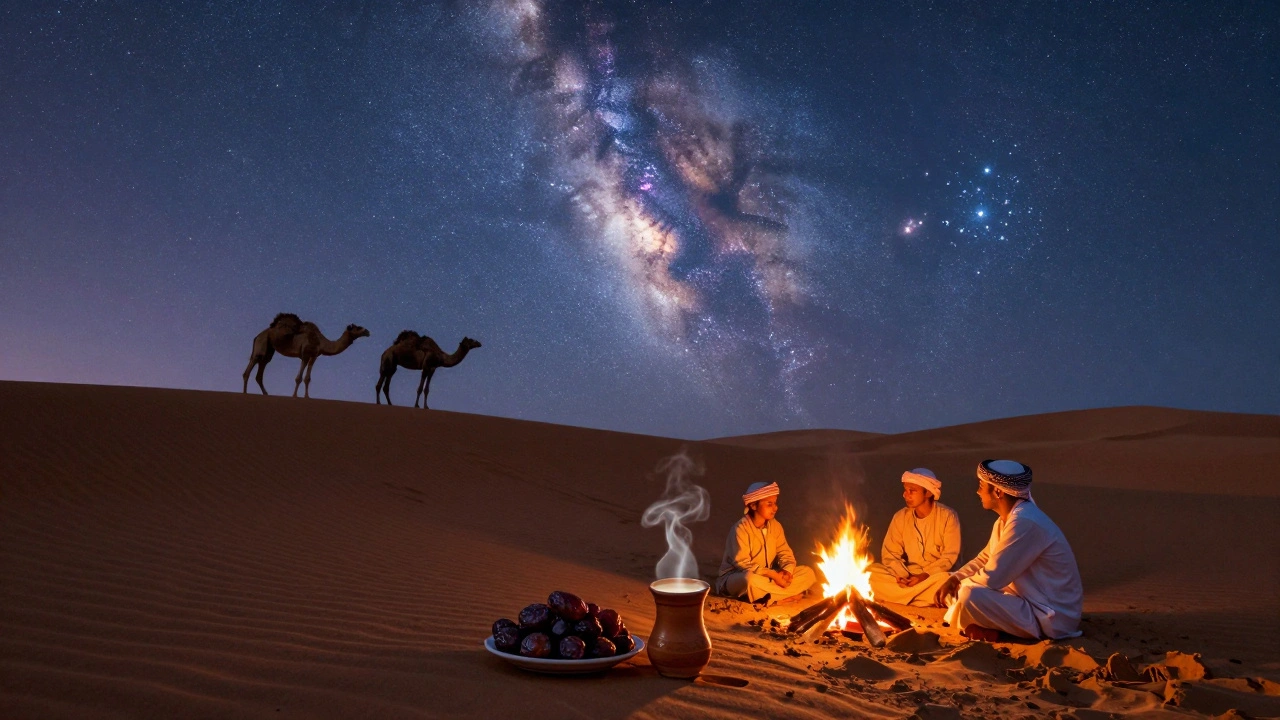
You’ve probably heard of desert safaris. But most people do them once and think they’ve seen it all. Let me tell you what most tours don’t show you: the silence after the dunes. When the sun drops and the last ATV fades into the horizon, the desert becomes something else entirely. No traffic, no sirens, no phone notifications. Just you, the stars, and the wind whispering over the sand.
Book a sunset camel ride with a local Bedouin family. Not a big tour company. Find someone who still lives in the desert part-time. They’ll serve you dates and camel milk tea, tell you stories about the stars they navigated by before GPS, and let you sleep under a blanket of stars. You won’t forget the taste of that tea. Or the way the Milky Way looks when there’s zero light pollution.
The Dubai Fountain Isn’t Just a Show
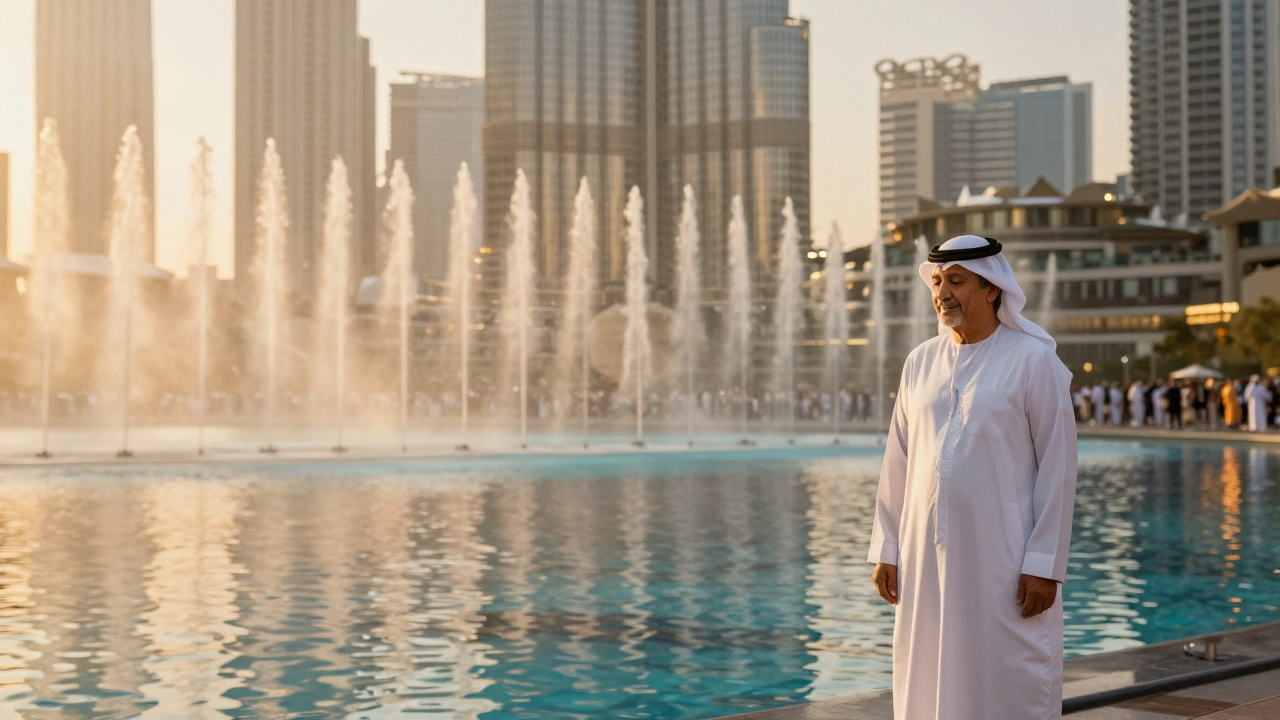
It’s easy to walk past the Dubai Fountain and think, “Oh, it’s just water and lights.” But this isn’t a theme park attraction. It’s a 900-foot-long symphony of water, music, and light that dances every 30 minutes after sunset. The real trick? Get there early. Not 10 minutes before. At least 45. The crowds roll in like clockwork, and the best spots-right along the Burj Khalifa Lake-fill up fast.
Here’s what most people miss: the music changes every night. Sometimes it’s Arabic oud melodies. Other times, it’s Adele or Ed Sheeran. One night, I heard a traditional Emirati folk song mixed with a modern beat. No one else seemed to notice. But when it hit, I felt something. It wasn’t just a show. It was a bridge between cultures. And that’s Dubai.
The Souks Are Where the Soul Lives
Forget the malls. The real Dubai is in the spice souk, the gold souk, the textile souk. Walk into the spice market and your senses get hit all at once: cinnamon, saffron, dried limes, cardamom pods the size of your thumb. The vendors don’t just sell-they teach. One old man showed me how to tell real saffron from fake by rubbing it between his fingers. “If it turns your skin yellow,” he said, “it’s real.” I bought a gram. It cost less than $5. I still use it in my rice.
The gold souk? It’s not about buying. It’s about watching. Hundreds of shops, each with a different design, all filled with gold so bright it glows. You can watch craftsmen hand-stamp intricate patterns into bangles. Or ask for a custom piece. One woman I met had a bracelet made with her children’s initials, engraved in Arabic calligraphy. She cried when she saw it. That’s the thing about Dubai’s souks-they don’t just sell things. They sell stories.
The Beaches Are for Real People
Yes, there’s Jumeirah Beach. And yes, it’s beautiful. But if you want to see how locals live, head to Kite Beach. It’s free. No luxury resorts. Just families flying kites, kids building sandcastles, couples jogging along the shore, and guys playing football in the sand. You’ll see Emirati men in thobes sipping coffee from thermoses, South Asian families having picnics under umbrellas, and expats doing yoga at sunrise.
There’s a little shack there called Beach House that serves fresh coconut water and grilled fish sandwiches for under $6. No one takes cards. Just cash. And it’s always packed. Why? Because it’s real. No filters. No staged photos. Just good food, salt air, and the sound of waves.
The Museum of the Future Isn’t Just a Building
It looks like a giant green torus with Arabic calligraphy carved into its surface. But this isn’t just architecture porn. The Museum of the Future is a working lab for ideas that could change the world-AI healthcare, sustainable cities, space colonization. Inside, you don’t just walk through exhibits. You experience them.
I tried a VR simulation that let me “live” in a Dubai in 2050 where drones deliver groceries and buildings grow their own food. It felt real. Too real. I walked out wondering if we’re already behind. But that’s the point. The museum doesn’t show you what Dubai is. It shows you what it’s trying to become. And that ambition? It’s contagious.
How to Actually Fall in Love With Dubai
You won’t fall in love with Dubai by checking off attractions. You fall in love with it by slowing down. By letting go of the itinerary. By sitting on a bench in Zabeel Park and watching Emirati elders play backgammon. By getting lost in the Dubai Mall and stumbling upon a hidden courtyard with a fountain and a man playing the ney flute. By saying yes to an invitation for tea from a stranger who just asked if you liked dates.
Dubai doesn’t shout. It whispers. And if you’re quiet enough to listen, it’ll show you things no guidebook can.
What You’ll Miss If You Only Do the Tourist Stuff
Most visitors spend their whole trip in the same 3-kilometer radius: Burj Khalifa, Dubai Mall, Palm Jumeirah. They leave thinking, “It’s impressive, but cold.” And they’re right-if that’s all they saw.
But if you take a 30-minute taxi ride to Al Awir, you’ll find a hidden desert lake where flamingos gather at dawn. If you go to the Al Quoz art district on a Friday, you’ll find pop-up galleries in abandoned warehouses, where artists paint murals inspired by Bedouin poetry. If you take the metro to Al Ras and walk to the creek, you’ll find Abra boats-small wooden ferries that cost 1 dirham to cross. Locals use them every day. Tourists? They never even know they exist.
Dubai’s soul isn’t in the tallest building. It’s in the quiet corners. The forgotten alleys. The people who still remember how to make bread the old way.
Final Thought: It’s Not a Destination. It’s a Feeling.
Dubai doesn’t ask you to like it. It doesn’t need your approval. It just is. And if you let yourself be open, it changes you. You start noticing details you never saw before-the way the call to prayer echoes across the desert at dawn, how the scent of rosewater lingers in hotel lobbies, how a stranger will stop to help you find your way, even if you don’t speak Arabic.
That’s what makes you fall in love. Not the lights. Not the luxury. But the humanity underneath it all.
What’s the best time of year to visit Dubai attractions?
The best time is between November and March. Temperatures hover around 20-28°C (68-82°F), making it perfect for outdoor spots like the desert, beaches, and walking tours. Summer (June-September) is brutally hot-often over 40°C (104°F)-and most locals stay indoors. If you come in summer, plan indoor activities like museums, malls, and air-conditioned experiences.
Are Dubai attractions family-friendly?
Absolutely. The Dubai Aquarium inside Dubai Mall has a walkthrough tunnel where kids can see sharks and rays swim overhead. The Dubai Miracle Garden has over 45 million flowers arranged into shapes like castles and hearts. There are splash parks, interactive science centers, and even a kids’ zone inside the Museum of the Future. Most attractions offer stroller access and family restrooms. Just avoid the desert safaris with very young kids-bumpy rides aren’t ideal for toddlers.
How much time do I need to see the top Dubai attractions?
You can hit the highlights in 3-4 days: Burj Khalifa, Dubai Mall, Dubai Fountain, Desert Safari, and a souk visit. But if you want to truly feel the city, plan for 7-10 days. That gives you time to explore Al Fahidi, Kite Beach, Al Quoz, and a few hidden spots like the Dubai Heritage Village or the floating markets at Al Shindagha. Rushing through defeats the point.
Is Dubai safe for solo travelers?
Yes, extremely. Dubai is one of the safest cities in the world for solo travelers, regardless of gender or background. Public transport is reliable, taxis are cheap and metered, and locals are generally helpful. Just respect local customs-dress modestly in religious or traditional areas, avoid public displays of affection, and never drink alcohol in public places. Otherwise, you’ll be fine.
Can I visit Dubai attractions without spending a lot of money?
Definitely. Many of the best experiences are free: walking along the Dubai Creek, watching the sunset at Kite Beach, exploring the spice souk (just smell and look, no need to buy), people-watching at Zabeel Park, or catching the free Dubai Fountain show. The metro costs less than $1 per ride. A single abra ride across the creek is 1 dirham ($0.27). You can have a full, meaningful day in Dubai without spending more than $20.
Daniel Kim
January 22, 2026 AT 16:25Dubai’s just a tax haven with fancy buildings and forced multiculturalism. All that ‘soul’? It’s staged for tourists. Real culture doesn’t need a golden frame to explain itself.
Dan Packer
January 22, 2026 AT 18:09I’ve been to Dubai twice, and honestly? This post got it right. The silence in the desert at night? That’s the moment I realized I’d been rushing my whole life. I sat there for an hour just listening. No phone. No agenda. Just sand and stars. Changed how I see home.
Bonnie Searcy Squire
January 23, 2026 AT 17:44Let’s be real-this whole ‘hidden Dubai’ narrative is a PR campaign by the UAE government. The Bedouins? They were displaced. The souks? Rented out to Chinese wholesalers. The ‘authentic’ tea? Sold in bulk from Dubai Duty Free. This isn’t culture-it’s curated capitalism.
alyssa golightly
January 24, 2026 AT 08:41OMG YES. The spice souk vendor who taught you about saffron? That’s my uncle. He’s been doing that for 40 years. No one ever asks him how to tell real from fake-they just snap pics and leave. I cried reading this. Someone finally gets it.
Darshan R
January 26, 2026 AT 03:20❤️ The desert silence... it’s like the earth is breathing. I remember sitting with a Bedouin elder who said, ‘The stars don’t lie. They remember every footstep.’ I didn’t understand until I heard the wind. Now I carry that with me. 🌌
Kristina Mozdzierz
January 27, 2026 AT 12:16While I appreciate the lyrical portrayal of Dubai’s cultural nuances, I must emphasize the structural integrity of its urban planning as a model of sustainable development in arid environments. The integration of traditional wind towers with modern HVAC systems represents a profound synthesis of indigenous knowledge and technological innovation.
Hannah Ronquillo
January 28, 2026 AT 18:42So many people think Dubai is all glitz, but the real magic is in the small moments-like that abra ride at sunset for 1 dirham. I took my 70-year-old mom there last year. She said it felt like stepping into a postcard made real. You don’t need to spend a fortune to feel it.
Matt Ferry
January 29, 2026 AT 02:42Actually, the Dubai Fountain is just a glorified water show. Vegas has better. And the ‘philosophical’ desert experience? It’s a 200-dollar tourist trap with a camel photo op. If you think that’s ‘authentic,’ you’ve never been to the real Middle East.
Richard Reyes
January 29, 2026 AT 13:09It is noteworthy that the preservation of heritage architecture in Al Fahidi, coupled with the deliberate integration of cultural narratives into public spaces, reflects a sophisticated commitment to identity preservation amid rapid modernization. This is not mere tourism-it is cultural stewardship.
Leanne McNally
January 29, 2026 AT 14:26soooo... dubai’s ‘soul’ is just… vibes and free coconut water? 🤔 i mean, i get it, the desert is chill, the spices smell nice, but can we talk about how 90% of the people working there can’t even own property? just saying. #authenticityisabusinessmodel