
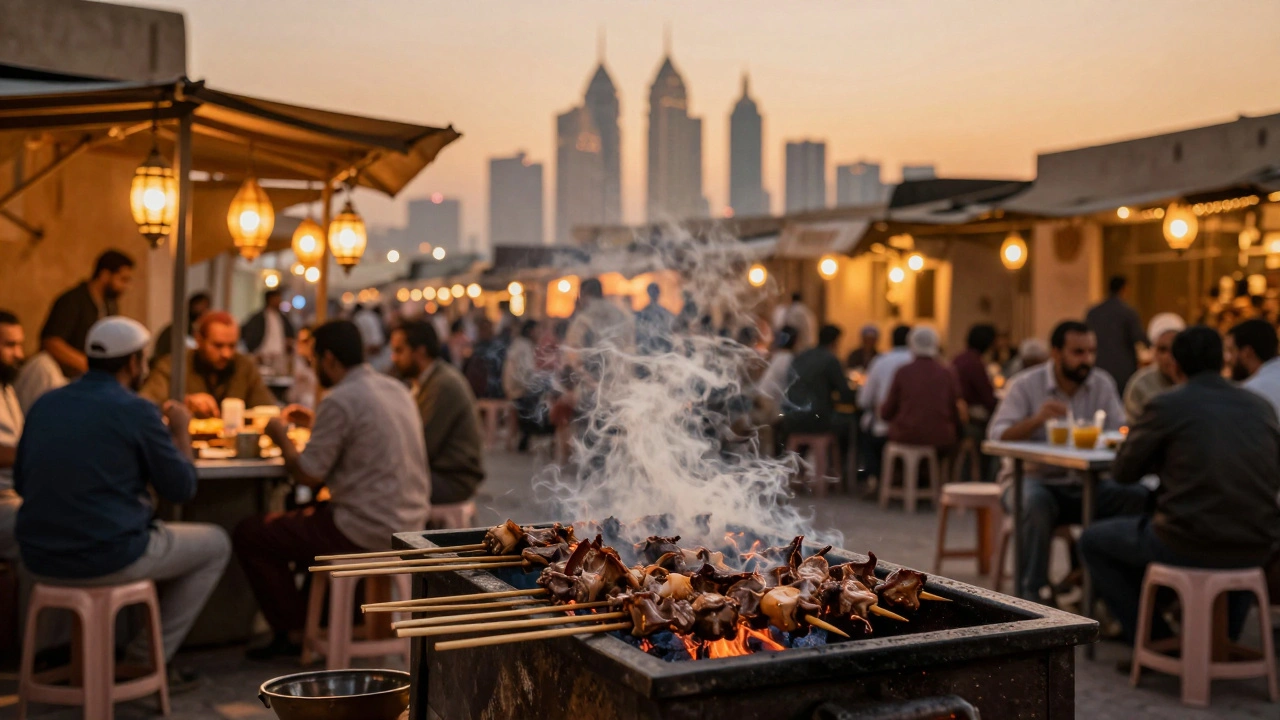
You’re walking through the bustling streets of Dubai, the scent of grilled lamb drifting from a roadside stall, and you pause. Can you eat meat in Dubai? The answer isn’t just yes-it’s more like, how much meat are you ready to eat? This isn’t about restriction. It’s about understanding context, culture, and the incredible variety of meat dishes waiting for you.
Dubai doesn’t just allow meat-it celebrates it. From succulent shawarma wrapped in warm flatbread to slow-cooked lamb biryani served in gold-leafed bowls at luxury hotels, meat is central to the city’s food identity. But here’s what most travelers don’t realize: the meat you eat here isn’t just any meat. It’s halal. And that’s not a label slapped on for show-it’s a standard enforced across every restaurant, market, and food truck.
What Does Halal Mean in Dubai’s Food Scene?
Halal isn’t just a religious rule. In Dubai, it’s the law. All meat served in restaurants, supermarkets, and street vendors must be slaughtered according to Islamic guidelines. That means the animal is treated humanely, blessed by a Muslim individual during slaughter, and drained of blood. No pork. No alcohol-based marinades. No questionable sourcing.
Think of it like organic certification in the U.S.-except here, it’s universal. You won’t find a single restaurant in Dubai that serves non-halal meat unless it’s explicitly labeled as such (and even then, it’s rare). Even international chains like McDonald’s and KFC serve halal-certified meat. You don’t need to ask. You can assume it’s halal unless you’re in a very specific expat-only venue-and even then, most still follow the standard.
So if you’re worried about accidentally eating something forbidden-you’re not. The system is designed to protect everyone, whether you’re Muslim, vegetarian, or just curious about Middle Eastern cuisine.
What Types of Meat Are Common in Dubai?
Dubai’s meat menu is a global mashup with deep roots in Gulf traditions. Lamb and goat dominate the local tables, but you’ll also find beef, chicken, camel, and even ostrich in some places.
- Lamb: The star of the show. Think lamb kebabs, mandi (spiced rice with slow-roasted lamb), and kabsa (a fragrant rice dish with tender lamb chunks). It’s rich, fatty in the best way, and cooked low and slow until it falls off the bone.
- Goat: Less common in tourist spots but a favorite among Emirati families. It’s leaner than lamb and has a stronger flavor-perfect for stews and curries.
- Beef: Popular in burgers, steaks, and shish taouk. You’ll find premium Australian and American beef at high-end steakhouses like The Butcher Shop or Ruth’s Chris.
- Chicken: The most widely consumed meat. Grilled, fried, or spiced with za’atar and sumac, it’s everywhere-from food courts to fine dining.
- Camel: Yes, really. Camel meat is a traditional delicacy. It’s lean, slightly sweet, and often served as burgers, sausages, or in slow-cooked stews. Try it at Al Fanar Restaurant & Café or Al Baik (yes, the same chain known for fried chicken).
- Ostrich: A novelty you’ll find in some gourmet spots. It tastes like a cross between beef and venison-dense, flavorful, and surprisingly tender.
Don’t expect to find pork on any mainstream menu. It’s not banned-it’s just not sold. You’ll only find it in private clubs or expat-only stores like the Dubai Duty-Free liquor section, where you can buy it for personal consumption. But you won’t find it on a plate at any restaurant open to the public.
Where to Eat Meat in Dubai (And Where Not to)
If you’re wondering where to get the best meat in Dubai, you’re spoiled for choice. Here’s the real breakdown:
- Al Mallah (Bur Dubai): A family-run spot serving the best lamb mandi in the city. The meat is marinated for 24 hours, smoked over wood, and served with caramelized onions and saffron rice. Locals line up here.
- Smokehouse by Al Masaood (Dubai Marina): If you want a steakhouse experience with a Gulf twist, this is it. Dry-aged Australian beef, grilled over charcoal, served with date molasses glaze.
- Al Baik (multiple locations): The fast-food legend. Their chicken is crispy, juicy, and halal-certified. They also serve camel burgers-yes, really.
- Al Fanar Restaurant & Café (Deira): A cultural experience. Their camel meat dishes are cooked the way Emirati grandmothers used to make them.
- The Butcher Shop (Jumeirah): For the meat lover who wants USDA Prime beef, wagyu, and dry-aged cuts. All halal-certified, sourced from Australia and the U.S.
Where should you avoid? Any place that doesn’t have visible halal certification displayed on the wall or menu. While it’s rare to find non-halal meat in public restaurants, some small, unregulated eateries in older areas might cut corners. Stick to places with official certificates from the Dubai Municipality or the Islamic Affairs and Charitable Activities Department (IACAD).
What to Expect When You Order Meat in Dubai
Ordering meat in Dubai feels different than in Western countries. Portions are generous. Presentation matters. And the spices? They’re not an afterthought-they’re the soul of the dish.
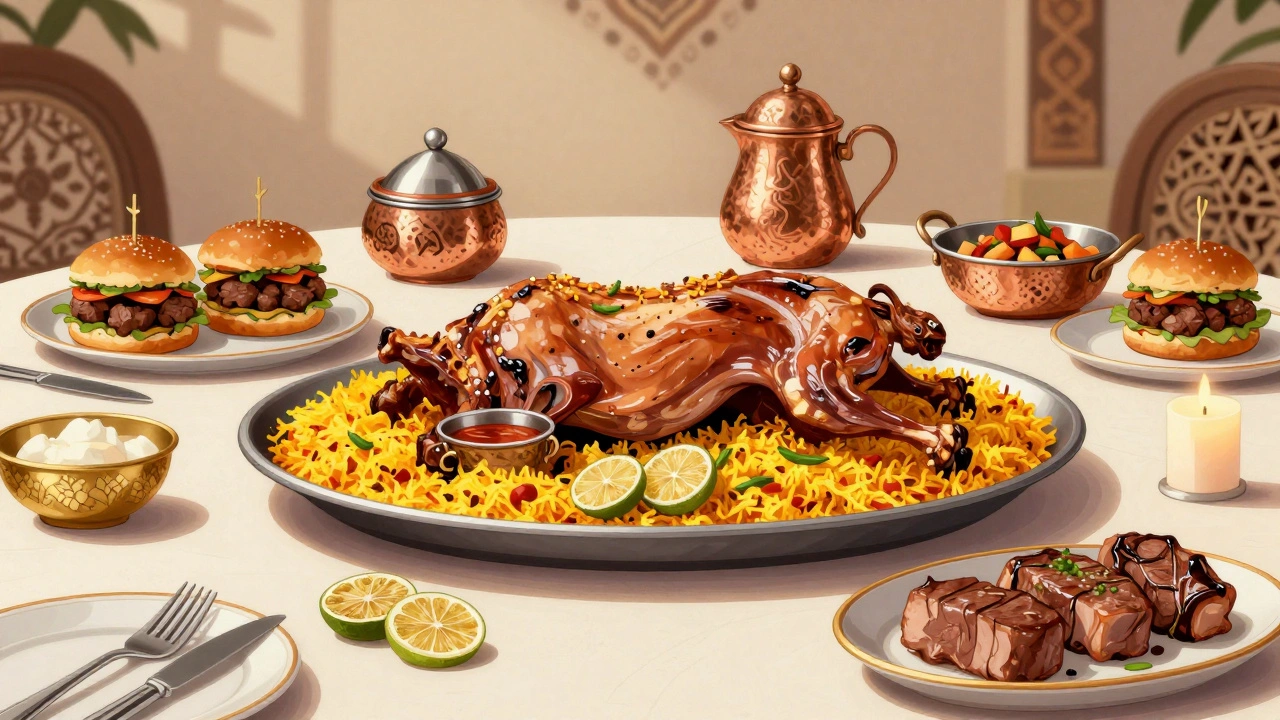
At a traditional Emirati restaurant, your lamb might arrive on a large platter, surrounded by rice, dried limes, and a side of yogurt sauce. You’re expected to eat with your right hand-no forks needed. At a modern steakhouse, your ribeye comes with a side of truffle fries and a glass of non-alcoholic wine (yes, they have great ones).
Don’t be surprised if your server asks, “Would you like the meat medium or well-done?” In Dubai, well-done is the norm. Many locals prefer their meat thoroughly cooked, not because they don’t like flavor, but because it’s safer and more comfortable in the heat.
Meat vs. Vegetarian Options in Dubai
| Aspect | Meat Options | Vegetarian Options |
|---|---|---|
| Availability | Ubiquitous-every restaurant offers at least 2 meat dishes | Widely available, but often limited to salads and falafel unless you go to vegan spots |
| Price Range | AED 40-300 per dish (lamb kebabs to wagyu steaks) | AED 30-120 per dish (most vegetarian meals are cheaper) |
| Cultural Significance | Central to celebrations, hospitality, and daily meals | Increasingly popular, especially among younger expats and health-focused locals |
| Halal Certification | Required by law | Not required, but most places still avoid non-halal ingredients like gelatin or alcohol-based sauces |
| Best Spot to Try | Al Mallah (lamb mandi) | Grassroots (plant-based Emirati cuisine) |
Vegetarian food is growing fast. Places like Grassroots and The Green House offer innovative plant-based takes on traditional dishes. But meat still owns the table. If you’re here for the food, you’re here for the meat.
How to Navigate Meat Dining as a Tourist
You don’t need to be Muslim to enjoy meat in Dubai. But a few simple rules make the experience smoother:
- Don’t ask if the meat is halal. It’s assumed. Asking might raise eyebrows-not because it’s rude, but because it’s like asking if the water is clean in Switzerland.
- Respect local customs. Don’t point with your left hand. Don’t eat with your left hand. Don’t refuse food if offered-it’s a sign of hospitality.
- Try something new. If you’ve never had camel, now’s the time. If you’ve never tried lamb cooked with cardamom and saffron, you’re missing out.
- Don’t assume all meat is the same. Lamb from Al Mallah tastes nothing like lamb from a hotel buffet. Texture, spice, and cooking method change everything.
And if you’re a vegan or vegetarian? You’ll be fine. But don’t expect meat-free menus to be as extensive as in Berlin or LA. Stick to places like Nama, The Green House, or The Plant Café for reliable options.
Can You Bring Meat Into Dubai?
Yes-but with limits. You can bring small amounts of cooked, packaged meat for personal use (like jerky or vacuum-sealed sausages). But raw meat? No. Fresh cuts? No. Even if it’s halal-certified in your country, Dubai customs won’t allow it.
Why? To prevent disease and protect the local food supply. It’s not about religion-it’s about public health. Stick to buying meat locally. You’ll get better quality anyway.
Frequently Asked Questions
Is pork available in Dubai restaurants?
No. Pork is not served in any public restaurant, hotel, or food establishment in Dubai. It’s not illegal to possess pork for personal use, but it’s strictly prohibited in commercial food service. You’ll only find it in private expat clubs or duty-free shops for purchase to take home.
Is all meat in Dubai halal?
Yes, by law. All meat served in restaurants, cafes, and markets must be halal-certified. Even international chains like Burger King and Pizza Hut serve halal meat. You won’t find exceptions unless it’s a private, members-only club-and even then, most still comply.
Can I eat meat during Ramadan in Dubai?
Yes. While Muslims fast from dawn to sunset, non-Muslims can eat meat-and any food-during daylight hours in private spaces or designated areas like hotel dining rooms. Public eating during fasting hours is discouraged, but not illegal. Many restaurants close their outdoor seating during the day but keep indoor dining open for non-fasting guests.
Is camel meat safe to eat?
Absolutely. Camel meat is lean, low in cholesterol, and rich in iron. It’s been eaten in the Gulf for centuries. Modern restaurants cook it safely, often blending it with beef or lamb for a milder flavor. Try it in a burger or kebab-it’s surprisingly tender.
Do I need to ask for halal meat if I’m not Muslim?
No. You don’t need to ask. Halal is the default. If you’re eating at a restaurant, market, or food stall in Dubai, you’re already eating halal meat. Asking might confuse staff or make them think you’re unfamiliar with local norms. Just enjoy the food.
Final Thoughts
Can you eat meat in Dubai? Not only can you-you should. The meat here is some of the best in the world, cooked with tradition, precision, and flavor you won’t find anywhere else. Whether you’re digging into lamb biryani at a roadside stall or savoring a dry-aged steak in a glass-walled restaurant overlooking the Burj Khalifa, you’re experiencing a cuisine that’s deeply rooted, respectfully prepared, and wildly delicious.
You don’t need to be religious. You don’t need to understand Arabic. You just need to be hungry.



William Terry
January 29, 2026 AT 09:40Man I tried camel burger at Al Baik last year and I swear I thought it was just super lean beef until the server laughed and said 'you good?' Best meal I've had in Dubai hands down.
Patsy Ferreira
January 29, 2026 AT 13:14Okay but why does everyone act like halal is some mysterious magic spell? It's just a slaughter standard. If you're gonna get mad about it you're gonna get mad about how 90% of the world's meat is slaughtered humanely. Also pork is banned for public health reasons not religion stop acting like it's a conspiracy.
Jillian Angus
January 30, 2026 AT 09:07Wait so you're telling me McDonald's in Dubai uses halal meat but they still serve the same McNuggets? That's not possible. I think they're just using the same packaging but secretly serving pork. I saw a guy in Dubai Duty Free buy a whole ham and he was smiling like he stole something. They're hiding it.
Jennie Magalona
January 30, 2026 AT 21:52People act like Dubai is this exotic meat wonderland but honestly it's just a reflection of how global food systems work. Halal certification isn't unique to Dubai-it's standard across most of the Muslim world. What's special here is the scale, the fusion, and how seamlessly it's integrated into everyday life. You don't need to be religious to appreciate it-you just need to be hungry. And maybe a little curious.
The real takeaway? Dubai doesn't force culture on you, it just lets you taste it. And if you're lucky, you'll end up eating camel meat with your hands on a rooftop in Bur Dubai while the sun sets behind the Burj Khalifa.
That's not tourism. That's transformation.
Kelly ¯_(ツ)_/¯
January 31, 2026 AT 21:40Stop acting like vegetarian options are some kind of afterthought. Grassroots in Dubai makes a jackfruit shawarma that'll make you question every taco you've ever eaten. And yes, it's halal too.
Paul Waller
February 2, 2026 AT 12:35Camel meat is delicious. Try it.
Peter Jones
February 3, 2026 AT 14:55It's interesting how halal certification in Dubai functions more like a public health and quality assurance framework than a religious requirement. The fact that even KFC and Burger King comply uniformly suggests a systemic, institutionalized standard rather than a cultural quirk. This level of regulatory consistency is rare in global food markets.
Also, the emphasis on well-done meat isn't just about tradition-it's a practical adaptation to the climate. High temperatures accelerate bacterial growth, and thorough cooking reduces risk. It's not about preference, it's about safety.
And yes, the meat is good. But the real story is the infrastructure behind it.
Andrew Cheng
February 4, 2026 AT 19:50I went to Al Mallah last month and the lamb mandi hit different. Like, I cried a little. Not because I'm emotional, but because that meat was cooked with so much care you could taste the patience. Also, the guy behind the counter gave me a free date syrup drizzle because I said I was from Canada. That's Dubai for you.
Also, if you're scared of camel meat, just order it as a burger. You'll thank me later. 🙏
Gail Ingram
February 5, 2026 AT 19:57Love how this guide doesn't treat halal as something exotic or alien. It's just the way food is done here. Kinda beautiful, really. You don't need to convert to understand it-you just need to show up with an open plate and an open mind.
Also, if you're vegetarian and feel like you're being left out, go to The Green House. Their za'atar roasted cauliflower with tahini and pomegranate molasses? That's the soul of Dubai on a plate.
Madi Edwards
February 6, 2026 AT 03:18Okay so I'm just gonna say it-I went to Dubai thinking I'd be eating weird meat and being judged for being a non-Muslim. Instead I had the best steak of my life at The Butcher Shop, ordered it medium-rare (they didn't even blink), and the server brought me a complimentary glass of non-alcoholic sparkling pomegranate juice because I said I was from Texas. I cried. Not because I'm weak, but because for once, I didn't have to explain myself. I just ate. And I was welcomed. And that's more than I can say for most places I've traveled. I don't care if it's halal or not-I care that I was treated like a human who just wanted good food. And they gave it to me without a single judgment. That's the real magic of Dubai.